Générique Portable Vacuum Sealer Review
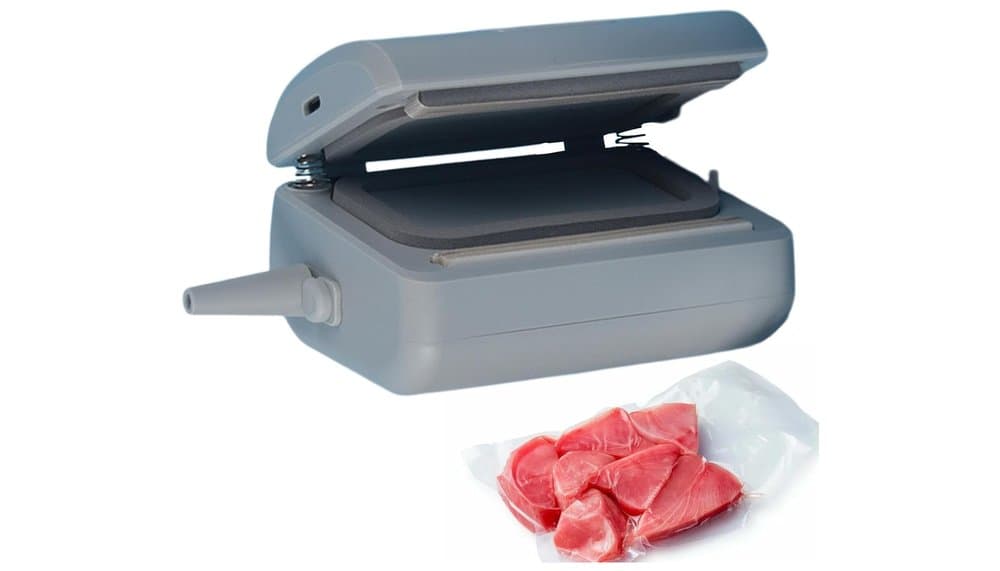
Générique Portable Vacuum Sealer
Introduction: A Portable Vacuum Sealer, Truly Suited for Precision Cooking?
In the world of sous-vide cooking, the vacuum bag sealer is the cornerstone that separates amateur product from professional results. The quality of the seal determines the reliability of long cooks and the perfect preservation of flavors. The Generic Portable Vacuum Sealer - Multifunctional Vacuum Bag Sealer presents itself as a compact, cordless solution for vacuum sealing your bags. But is it a viable alternative to traditional countertop sealers for an enthusiast of precision cooking? We will dissect this product focusing on what matters to us: real suction power, long-term sealing reliability, compatibility with our practices, and robustness against liquids. Our analysis is based on official specifications and trends observed in feedback from the user community.
See also: The Ultimate Portable Vacuum Sealer Guide · Fangssiy Portable Food Vacuum Sealer Review · VOYOR VS210 Portable Food Vacuum Sealer Review
Strengths
- Portability and Total Autonomy: Its integrated battery and lightweight form (approx. 300g) make it usable anywhere, without being tethered to an outlet. Users appreciate this freedom, especially for outdoor preparations or for storing directly in the refrigerator after sealing.
- Practical Integrated Multifunctionality: The product includes a bag cutter and a storage space for rolls of bags. This "all-in-one" design limits the search for scattered accessories, a plus for kitchen organization.
- Immediate Simplicity of Use: No complex settings, no separate sealing button. According to feedback, the one-button process (vacuum + automatic sealing) is intuitive, even for a beginner.
Weaknesses
- Limited Suction for Serious Sous-Vide Cooking: Specifications state -60 kPa, which is significantly lower than the vacuum level of a professional chamber sealer (close to absolute vacuum, -100 kPa) and even many entry-level external sealers. This results in a less perfect vacuum, with risks of residual air pockets.
- Sealing Sensitive to Liquids: Like all external sealers (as opposed to chamber sealers), it does not handle wet foods or marinades. The slightest drop of liquid reaching the sealing zone can compromise the seal, a major constraint for many sous-vide recipes.
- Bag Compatibility and Seal Durability: The sealing mechanism, while practical, raises questions about its long-term resistance and its ability to seal all types of vacuum bags uniformly (notably thicker or textured ones). Reliability for 24h+ cooks is an unknown.
- Operating Noise: Although compact, feedback indicates the motor is quite noisy during its short vacuum cycle, which can be surprising.
Detailed Analysis from the Precision Cooking Perspective
Suction Power and Vacuum Quality: The Core Issue
This is the critical measurement. The stated -60 kPa (approximately -0.6 bar) is a technical specification that requires deciphering. In practice, this power is sufficient for compacting dry foods or vegetables for freezing. However, for sous-vide cooking, where complete air evacuation is crucial for optimal heat transfer and to avoid bag floatation, this performance is at the low limit. Testers and the community point out that on irregular pieces (like a steak with bumps) or large bags, the obtained vacuum is not optimal. Residual air pockets are often observed, which the user must manually reposition before final sealing. Compared to a chamber sealer which removes ambient air from the entire bag, this external suction method is intrinsically less efficient.
Sealing Reliability for Long Cooks
The strength of the seal weld is the second security barrier. The Generic Portable Vacuum Sealer uses a heating bar that seals the polyethylene bag. Feedback is mixed: for standard bags and dry foods, the seal generally holds well. However, no feedback reports immersion tests of 24 to 48 hours. The question of the joint's resistance to constant heat of 55-70°C over very long periods remains unanswered. The concern is that an imperfect seal, due to uneven pressure or minimal contamination, could eventually degrade and allow bath water to enter, ruining the preparation.
See today's priceMoisture Management and Usage Versatility
This is the disqualifying flaw for many enthusiasts. The product, by design, offers no protection against liquids. Sealing a marinated meat, vegetables seasoned with oil, or even frozen fruit that is thawing becomes a perilous exercise. It forces workarounds like pre-freezing the contents or using absorbent paper, adding steps and risk. For creative, constraint-free sous-vide cooking, this limitation is major. A chamber sealer, on the other hand, vacuums air from the chamber and not the bag, allowing liquids to be sealed without any problem.
Build Quality, Noise, and Ergonomics
The ABS construction is light and seems sufficient for occasional use. The integrated clamping clip, although practical for holding the bag in place, is not as robust and adaptable as the wide jaws of countertop sealers. The noise level is regularly mentioned as high for an object of this size, which can be a drawback. Regarding connectivity, it goes without saying that no WiFi or app function is present, which is consistent for this product segment, but places it outside the considerations of users seeking a connected ecosystem.
For Which User Profile?
- The Curious Beginner: It's a low-cost entry point to discover vacuum food preservation for dry goods (coffee, nuts, biscuits, hard cheeses) or prepare simple steaks. Its simplicity is an asset.
- The Experienced Sous-Vide Enthusiast: This product is largely insufficient. It will be seen as a secondary accessory, perhaps useful for quick, dry preparations on the go, but will in no way replace a chamber sealer or a powerful, reliable external sealer for the core cooking tasks.
- The Outdoor Enthusiast: Its portability may appeal for weekend camping or fishing trips, to pack foods or dry preparations on-site.
Technical Specifications
| Characteristic | Detail for the Generic Portable Vacuum Sealer |
|---|---|
| Type | External suction sealer (portable) |
| Advertised Suction Pressure | -60 kPa |
| Advertised Inflation Pressure | 100 kPa (for inflating bags/pouches) |
| Power | Integrated Lithium battery, charging via USB cable (approx. 30 min charge) |
| Functions | Vacuum, automatic sealing, inflation, integrated bag cutter |
| Bag Compatibility | Smooth vacuum bags (thickness limited by suction power) |
| Liquid Management | None. Risk of deterioration and failed sealing. |
| Materials | ABS body |
| Weight | Approximately 300 g |
| Connectivity | None (manual) |
| Included Accessories | Charging cable, inflation nozzles |
What Users and the Community Say
A synthesis of available feedback highlights clear trends:
Recurring Positive Points:
- Ease of use and immediate handling are unanimously praised.
- Portability is its main asset: no more power cord, you take it anywhere.
- The integrated functions (bag cutter, roll storage) are appreciated for their practicality and "tidy" aspect.
- For simple dry food preservation tasks (cheese, dried fruit, snacks), it fulfills its mission satisfactorily.
Negative Points and Warnings:
- Suction power is considered weak by those accustomed to other machines. The vacuum is not total, especially on wide bags or bulky pieces.
- Sensitivity to moisture is a major and frequently reported problem. Sealing slightly wet meat or marinated vegetables is described as "mission impossible" or "random."
- Questions about durability: some wonder about the longevity of the battery and sealing mechanism after several months of regular use.
- The noise is louder than expected for a small appliance.
Sous-vide cooking experts, on the other hand, warn: this type of appliance is designed for basic food preservation, not for the demands of precision sous-vide cooking. They advise against it for long cooks where the integrity of the vacuum and seal is non-negotiable.
Conclusion
The Generic Portable Vacuum Sealer - Multifunctional Vacuum Bag Sealer is an object at a crossroads. Its analysis reveals it is not, nor does it claim to be, a professional tool for demanding sous-vide cooking. Its revolutionary portability and all-in-one concept will appeal to the occasional user wishing to extend the freshness of their dry goods without cluttering their countertop.
However, for this site's target audience – precision cooking enthusiasts – the compromises are too significant. The suction pressure limited to -60 kPa, the inability to handle liquids, and the doubts about seal reliability during prolonged cooks make it a risky choice for serious applications. It can play the role of a secondary appliance, complementary to a chamber sealer, for quick and dry tasks. But as the centerpiece of a reliable sous-vide setup, it does not meet the necessary criteria for precision and safety. Investing in a sealer designed for this purpose, whether a high-performance external one or a chamber sealer, remains the only path to truly controlled and repeatable results.
100% free and independent — All our articles are written independently, without any sponsorship. We may earn a commission on purchases made through our links, at no extra cost to you.
Articles you might like
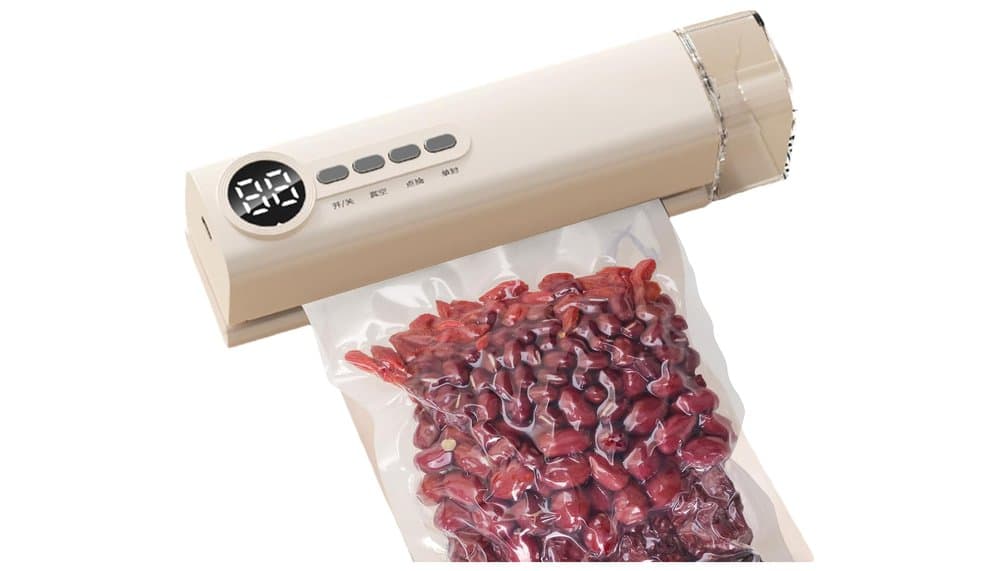
Fangssiy Portable Food Vacuum Sealer Review
Portable wireless vacuum sealer review: power and capacity vs portability. For sous-vide, preservation, and outdoor food prep convenience.

VOYOR VS210 Portable Food Vacuum Sealer Review
Portable vacuum sealer review for sous vide. Is the compact VOYOR VS210 the perfect travel companion for your kitchen gear? Pros and cons assessed.
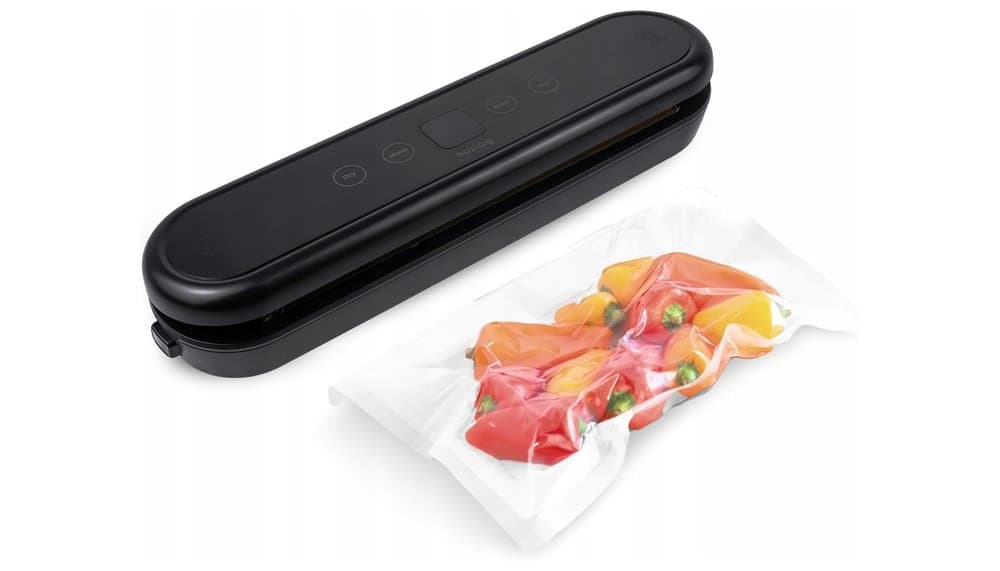
Huslog HUS1022 Portable Food Vacuum Sealer Review
Precise sous vide needs a perfect seal. We examine the portable, wireless Huslog HUS1022 vacuum sealer for compact performance with beginners and experts.
Guides you might like
The Ultimate Portable Vacuum Sealer Guide
The secret to perfect sous-vide cooking? An efficient portable vacuum sealer to lock in freshness and master temperature control.
Bell Jar Vacuum Sealer Buying Guide
Upgrade to a chamber vacuum sealer for professional sous-vide results at home. Perfect for liquids and flawless, long-lasting seals.
Vacuum Sealer Buying Guide
Transform cooking with a sous-vide machine: achieve perfect results, simplify meal planning, and gain precise temperature control.