Ultimate Stainless Steel Sous Vide Guide
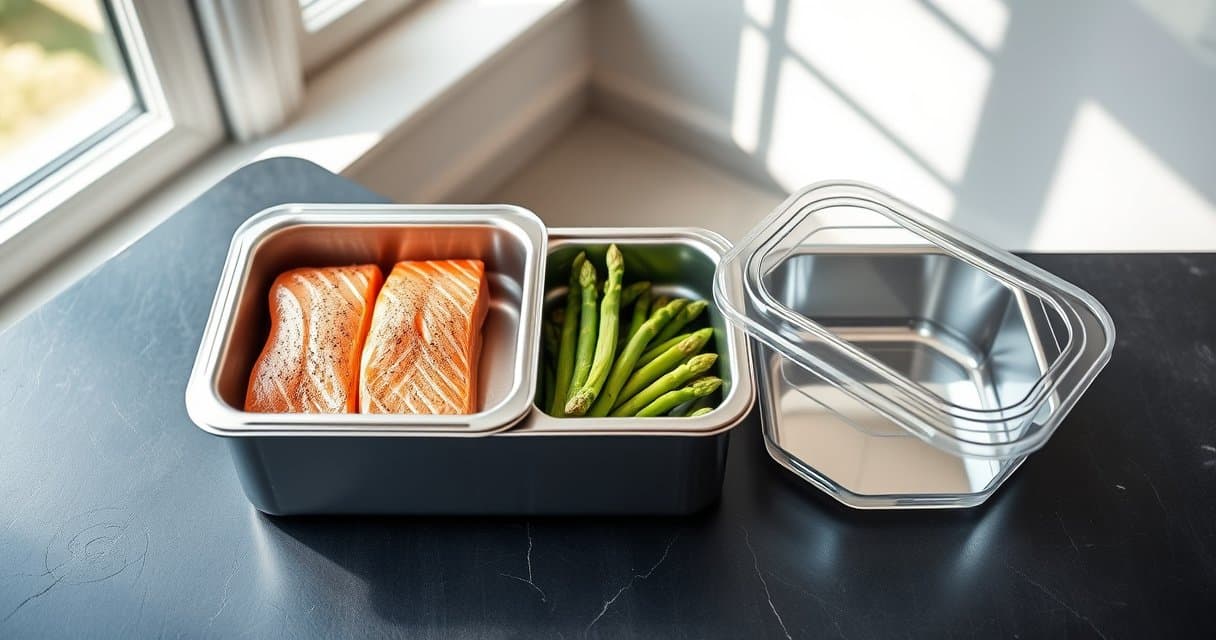
Are you tired of juggling fragile vacuum bags that clutter your fridge? The stainless steel vacuum container is a game-changer for your precision cooking. It's the durable and versatile centerpiece that transforms food preservation and cooking. Let's see together how to choose the right one so it becomes your daily ally.
Key Takeaways
- The Gastronorm stainless steel vacuum container is a durable and versatile investment, ideal for precise preservation and cooking.
- Choosing the right size and height (like the GN 1/1 100mm) is crucial for optimizing space and efficiency.
- Lid compatibility and the quality of its sealing system are essential for successful vacuum preservation.
- Maintenance is simple (gentle cleaning and thorough drying) and guarantees a lifespan of several years.
- The modular system allows you to start with a single container and expand your collection according to your needs, from home cooking to regular production.
The Practical Benefits of Stainless Steel for Preservation and Cooking
People often think the best sous vide container is a simple vessel. They are mistaken. It is a work tool that will reorganize your approach in the kitchen, and for good reasons.
Game-Changing Durability
The first obvious point is its indestructible nature. Unlike plastic bags you're afraid will puncture or tear at the corners, stainless steel withstands everything: impacts, extreme temperatures (from the freezer at -20°C to the oven at 250°C, for some models), and intensive washing. It's a one-time investment. Frankly, after throwing away your umpteenth defective bag, this durability becomes a true economic and ecological relief.
A Perfect Barrier for Your Preparations
This is where science plays its role. The major advantage of 18/10 stainless steel is its non-reactivity. It does not react with food acids – think of your lemon confit or tomato sauce preparation. With a standard bag, there's sometimes that fear of migration. With stainless steel, zero metallic taste, zero transfer. Your foods remain intact, without that sneaky chemical interaction that can alter a subtle dish.
A Monumental Gain in Time and Organization
Imagine your next meal prep session. Instead of sealing ten individual bags, you layer your chicken breasts to marinate in a single container, you vacuum seal it, and there you go, into the fridge. You save an incredible amount of time on preparation, and especially on storage. The stackability of Gastronorm containers is a colossal asset: you optimize space in your cooling unit or your fridge like a professional.
To give you a concrete idea, let's compare two approaches for preserving 3kg of grated carrots:
| Approach | Packing Time | Fridge Footprint | Leakage / Spoilage Risk |
|---|---|---|---|
| Vacuum Plastic Bags (3 to 4 bags) | ~10-15 minutes | Disorganized, irregular shapes | High (especially for sharp foods) |
| Stainless Steel GN 1/1 Container (height 100 mm) | ~3 minutes | Neat, stackable, standardized shape | Negligible with a good lid |
The advantage during the cooking phase is just as clear. Gone are the worries of seeing a bag float and cook poorly because it's not submerged. The container, however, stays stable at the bottom of the water bath. The thermal conductivity of stainless steel is excellent, ensuring a homogeneous temperature rise for all its contents. For long cooks at 65°C or rapid coolings, it's a consistency that plastic simply cannot offer. This is what, behind the scenes, truly makes the difference between a good result and a perfectly mastered result.
Deciphering the Gastronorm Standard and Choosing Your Dimensions

This is the key to not making a mistake: the Gastronorm (GN) standard. You will see it everywhere, and that's a very good thing. It's not just a simple format, but a modular system designed to fit together perfectly, whether in your shelves, your professional fridges, or your cooling cells. Choosing the right format guarantees that your equipment will be compatible and efficient for decades to come.
The Basic Formats: Your Alphabet
The dimensions are standardized. The starting point is the famous GN 1/1, which measures 530 mm in width by 325 mm in depth. All other formats are fractions of it. Here are the most common ones for vacuum sealing:
- GN 1/2: 325 mm x 265 mm (half the surface area of a GN 1/1).
- GN 1/3: 176 mm x 325 mm.
- GN 2/3: 354 mm x 325 mm.
The GN 1/1 is the classic, a safe bet for large preparations or for a large family. But for more versatile use, many find their perfect match with the GN 1/2 or 2/3. They are more manageable and allow you to make several separate preparations without monopolizing all the space.
The Height: The Choice That Defines Your Volume
This is where it gets interesting – and often a source of error. Once you've chosen the surface format, you must select the height. The standards are typically 20 mm, 65 mm, 100 mm, 150 mm, and 200 mm. Your choice should be dictated by what you will put in it.
- 100 mm: This is the all-purpose height, perfect for most saucy dishes, pieces of meat, vegetables. It's an excellent height to start with.
- 65 mm: Ideal for flat preparations (fish fillets, meat steaks) or for more space-saving storage.
- 150 mm and 200 mm: These heights are dedicated to large volumes: cooking whole large pieces, storing broths, or for vacuum fermentation. Be careful, they require more storage space and sometimes a lid adapted to this depth.
A friendly piece of advice: if you hesitate between two heights, choose the smaller one. A container too deep for a small quantity not only wastes space but also air to be evacuated, which can strain your external vacuum machine. A well-filled container is always more efficient.
Making the Right Choice for Your Kitchen
Ask yourself these simple questions:
- What is the volume of my usual preparations? (Soups for 4, marinades for 10 chicken fillets...)
- Where will I store these containers? (In a standard fridge, a professional GN cabinet, a cupboard?)
- Will I use them for cooking or only for storage?
For a serious family kitchen, a combo of GN 1/1 (height 100 mm) + two GN 1/2 (heights 65 mm and 100 mm) offers unbeatable versatility. The best stainless steel vacuum container for you is not necessarily the largest, but the one whose dimensions precisely match your workflow. Once you understand this logic, you compose your set of containers like a pro.
Our Selection
You are interested in sous vide cooking but don't know which equipment to choose? We have analyzed three distinct solutions for you: two passive containers meant to be used with an external immersion circulator, and one all-in-one appliance. Here is our selection, based on technical specifications and community feedback.
| Product | Capacity | Max Temp. | Key Strengths (Specs & Reviews) | Materials & Compatibility |
|---|---|---|---|---|
| Vihoom Vacuum Container | 11L | 135°C | Large capacity, integrated rack, double hatch | High-resistance plastic. Compatible with "most" circulators. |
| Vacuum Cooking Container | 6L | 100°C | Total transparency, non-slip base, ergonomic design | Food-grade transparent polycarbonate. Designed for 60mm machines. |
| ProfiCook Vacuum Cooker | 8.5L | 90°C | Complete appliance (cooking, yogurt), 72h timer, electronic control | Stainless steel housing, non-stick coated pot. Standalone. |
Vihoom Vacuum Container
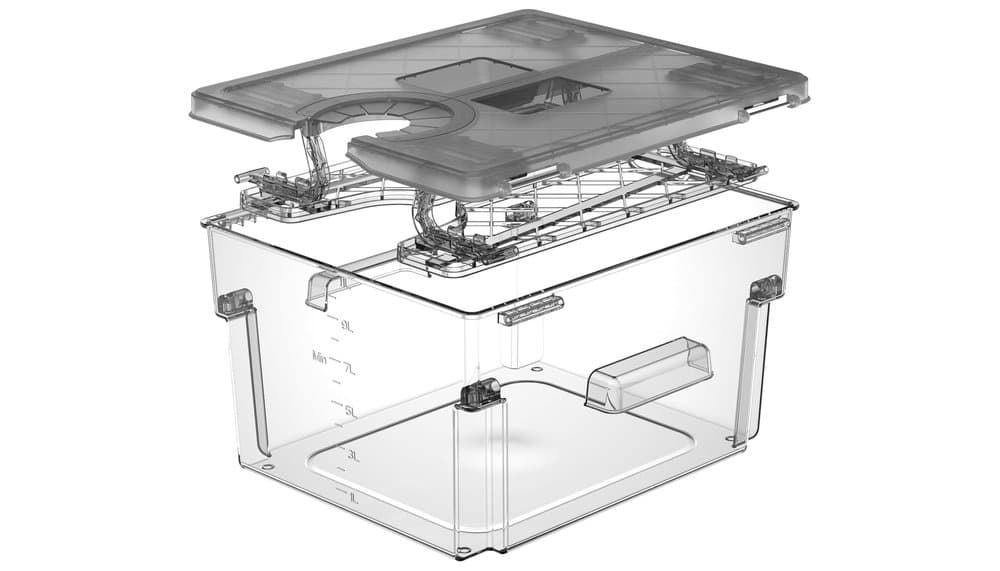
This 11-liter container presents itself as the largest option and is technically suited for long cook times. On paper, its specifications are impressive: a stated heat resistance from -45°C to 135°C and a design with a honeycomb integrated rack that avoids needing extra accessories to submerge food. The "double hatch" functionality on the lid is also highlighted as a practical feature, allowing water level adjustment without fully opening it.
According to user feedback, the large capacity is its main asset, perfect for preparing large meal quantities or for substantial cuts of meat. The community also notes that the build quality seems robust and that heat retention is effective, indeed reducing evaporation. However, some limitations emerge from reviews. Its empty weight (1.69 kg) and generous dimensions can make it bulky and less manageable once filled, particularly for emptying. Furthermore, the mention "compatible with most sous vide machines" requires verification: some users recommend double-checking compatibility with your specific immersion circulator model, as the silicone seal may not fit all models perfectly. It is therefore a very high-performance solution, but one that requires space and a compatibility check.
Vacuum Cooking Container
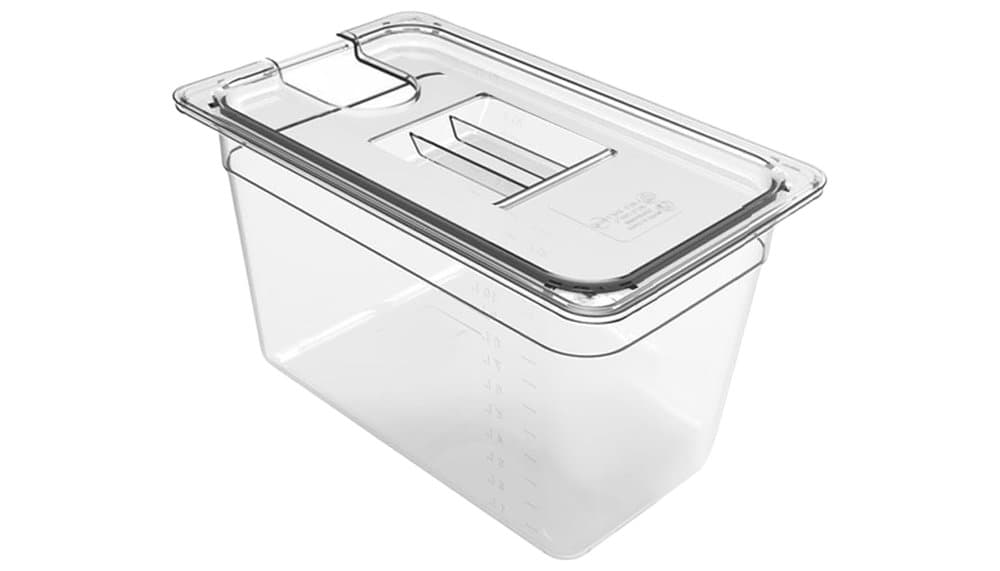
Here, we leave the realm of opaque gray to enter transparency. The main selling point of this 6-liter container is its total visibility, thanks to a body made of crystal-clear food-grade polycarbonate. The specs state a resistance from -40°C to 100°C and targeted compatibility for machines with a 60 mm diameter.
The sous vide cooking community particularly emphasizes two concrete advantages. First, the transparency is a real plus for monitoring the cook without opening the lid and for precisely measuring liquid levels. Secondly, reviews praise its ergonomics: the non-slip base, grooved handles, and rounded edges make it a stable and pleasant container to handle, even when full. Its 6L size is perceived as a good compromise for family-sized preparations without being too massive. The reported limitations are mainly related to its maximum temperature (100°C), lower than the Vihoom's, which may restrict certain types of preparations requiring a higher temperature. Also, although the clip-on lid is judged airtight by most, some feedback mentions the need to ensure it is properly locked on all sides to avoid any micro-leakage during long cooks. It's the ideal choice for those who prioritize visual control and ease of handling.
ProfiCook Vacuum Cooker
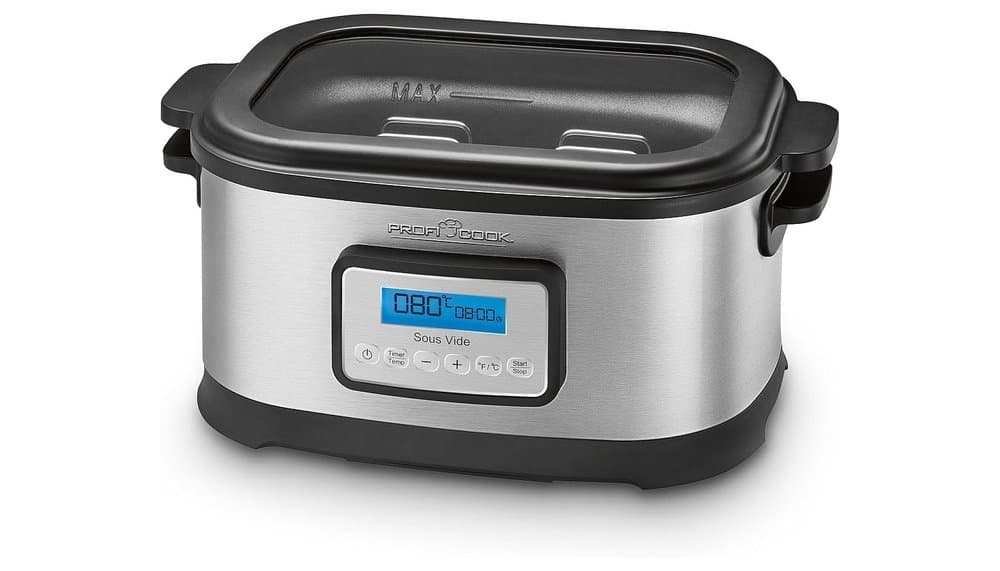
This third product changes categories: it is not a simple container, but a standalone, complete sous vide cooking appliance. The ProfiCook PC-SV 1112 integrates its own heating element, an 8.5-liter pot with a non-stick coating, and a basket for elevating food. Its technical specifications highlight an electronic temperature control (with an announced accuracy of +/- 1°C), a programmable timer up to 72 hours, and multiple functions: classic sous vide cooking, gentle cooking, yogurt making, and keep-warm.
Analysis of customer reviews reveals that its main advantage is simplicity and autonomy. It particularly appeals to those who don't want to manage a separate immersion circulator and a container. The versatility offered by the different functions (yogurt, keep-warm) is highly appreciated. The community also notes the ease of cleaning the non-stick pot. However, the feedback highlights some trade-offs. The maximum temperature is limited to 90°C, which is lower than the two passive containers and may rule out some recipes. Its footprint is larger since it is a full-fledged kitchen appliance, and its power consumption (520W) should be considered for very long cooks. Finally, some users would have preferred a slightly larger capacity for an appliance of this size. It is therefore the ideal all-in-one solution for beginners or those seeking versatility, perhaps at the expense of maximum temperature and modularity.
The Sealing System: Compatibility and Types of Lids
This is the crucial point: a stainless steel container without a suitable lid is just a simple receptacle. It's the sealing system that transforms it into a high-performance preservation and cooking tool. Your investment will be in vain if you neglect this component.
The Universal Lid: Flexibility Above All
This is the most common and often the smartest solution to start with. It is a rigid plastic lid (usually transparent) that clips onto the standardized rim of a GN container. It incorporates a vacuum valve, sometimes two. Its major advantage? It is interchangeable. A single lid can be used for several containers of the same format, which reduces cost and storage space.
How does it work? You place your food in the container, put on the lid, and use an external vacuum machine (the kind you might already use with bags) to extract the air via the valve. Once the air is removed, you close the valve flap. It's done.
The pitfall to avoid: not all universal lids are equal. Carefully check the quality of the peripheral sealing gasket – often a silicone seal – and the sturdiness of the clamping clips. A poor gasket means a slow but certain air leak, which ruins the whole purpose of vacuum sealing. For me, a thick, well-designed gasket is the primary quality criterion.
The Specific Lid and All-in-One Containers
At the other end of the spectrum, you have dedicated solutions. This can be a lid specifically designed for a particular container model, often offering reinforced locking. Or, more integrated, actual vacuum containers in stainless steel sold with their airtight lid already assembled. The latter are generally more expensive, but they guarantee perfect compatibility and a finish optimized for airtightness.
These solutions are excellent if you want absolute simplicity and don't plan on changing your container inventory. It's ready-to-use. But frankly, if you plan to expand your collection, the universal system is much more economical and flexible in the long run.
The Valve: Single or Double, Manual or Automatic?
Take a close look at the valve mechanism. A single valve works perfectly well for most uses: preservation, marinating, low-temperature cooking. Some models offer a double valve; one is for vacuuming, the other for air injection or pressure equalization, which is useful if you use your container for fermentations (like sauerkraut) where gases are produced.
The best stainless steel vacuum container for you will largely depend on this lid-container compatibility. My advice: before buying an isolated container, make sure you know exactly what type of lid you can pair it with, and check reviews regarding the durability of the seal over time. A leak means a ruined dish.
Daily Integration and Maintenance
Great, you have chosen your container and its lid. Now, you need to make it work in your kitchen without it becoming a chore. Daily efficiency happens here.
An Immediate Space Saver (if you are organized)
The number one advantage of the Gastronorm standard is stackability. A 100 mm tall GN 1/1 container stacks perfectly on another, empty or full. This is where you save incredible space in your refrigerator or cooling cell, compared to bags that pile up haphazardly. To optimize further, consider your shelf height: a 65 mm tall container will allow you to stack more levels than a 150 mm model. It's like Lego logic, but more robust.
Be careful however: once under vacuum, the lid creates a vacuum depression that can sometimes make containers a bit difficult to separate. A small decompression notch on the lid, or simply a bit of patience, solves the problem.
Cleaning: Simple but Non-Negotiable
18/10 stainless steel is a champion for this, but it has its small demands. Rinse it with hot water after use to prevent residue from drying. For deep cleaning, soapy water and a non-abrasive sponge are sufficient. Absolutely avoid steel wool, which scratches the surface and can, over time, compromise the seal at the lid's gasket.
For stubborn stains (tomato sauces, mineral deposits from hard water), a bit of white vinegar or a specialized stainless steel cleaner will work wonders. The real secret? Always dry it completely before storing, especially around the lid's gaskets. Residual moisture is the number one enemy of longevity and can leave marks.
Compatibility with Your Other Equipment
This is an often underestimated point. Your future best sous vide stainless steel container must be able to interact with the rest of your kitchen. Ask yourself: does it fit through my oven door for reheating? Does its standard size allow it to slide into my water bath for precise sous vide cooking? For long cooking times, also check the thermal stability of the plastic lid, although most are designed to withstand pasteurization temperatures (around 70-80°C).
In the fridge, it's a party: the containers stack, line up in columns, and you can finally see what they contain. No more forgotten opaque bags at the back. For transport – if you do catering or takeaway meals – their rigidity is unbeatable. No risk of crushing or leaks compared to a bag, even under vacuum.
Lifespan is Measured in Years, Not Months
Unlike disposable bags, the investment here is for the long term. With good maintenance, a quality container will last you for years. The point of vigilance is the lid's sealing gasket. Inspect it regularly, make sure it's not cut or deformed. The good news? On most universal models, this gasket is removable and replaceable for a few euros. It's a wear part, keep a stock if you use it intensively. This ability to be easily repaired is ultimately what makes the difference between a gadget and a professional tool.
Scaling Your Equipment: From Family Kitchen to Ambitious Projects
Starting with just one GN 1/2 container is an excellent beginning. But the day you find yourself cooking in large volumes or wanting to manage three different preparations simultaneously, your equipment must keep up. The beauty of the Gastronorm system is its modularity.
For Family Cooking and Batch Cooking
You start off gently. One or two medium-sized containers, like the GN 2/3 or GN 1/2 with a 100 mm height, are perfect. They allow you to prepare portions for 4 to 6 people, marinate whole cuts of meat, or cook several fish fillets side-by-side sous vide. The initial investment is modest. At this stage, the goal is versatility: the same container is used for preparing, storing under vacuum, and sometimes even reheating in a water bath.
I recommend prioritizing a height of at least 65 mm, or even 100 mm. A container that is too shallow (20 mm) is too limiting—apart from storing herbs or small pieces, it quickly becomes useless for cooking. With 100 mm of depth, you can easily place a thick salmon steak inside.
The Leap to Regular Production
Here, we move to another level. Imagine you prepare weekly meals every Sunday, or often organize dinners for 10 people. This is the time to think in terms of a system.
Here’s what changes in practice:
- Variety of formats: You will add containers of different sizes. A large GN 1/1 becomes your best friend for large cuts (leg of lamb, whole fish) or large quantities of vegetables. Smaller GN 1/3 or 1/4 containers are perfect for sauces, coulis, or individual portions to freeze. This allows you to optimize space in the fridge and freezer.
- Standardization: Having several containers of the same size (for example, three GN 1/2 containers) is a huge time saver. You can prepare three different dishes in parallel, cook them sous vide together, and store them stacked. This is professional efficiency entering your kitchen.
- Workflow Management: You might need a "dirty" container for preparation (cutting, marinating), and then a "clean," sterile container for final vacuum sealing before storage. This improves hygiene and organization.
For Demanding Projects and Competition
Here, we are talking about extreme precision and perfect reproducibility. The simple universal lid can show its limits if you push the technique. You might be tempted by double-valve lids, allowing for even more efficient vacuum sealing and precise pressure control, ideal for delicate preparations (foie gras, fruits). Some high-end models even integrate a thermometer or a sampling port to check the core temperature without breaking the vacuum.
The consideration also focuses on quantity. For a large family or catering service, owning a dozen containers of assorted sizes is not a luxury, it's an operational necessity. It allows for rotation: some are in the fridge, others in cooking, others in wash. The criterion for the "best stainless steel vacuum container" then evolves: it is no longer a single object, but the most coherent and robust set for your specific workflow. Frankly, if you reach this point, invest in a brand known for the sturdiness of its welds and the precision of its edges—saving pennies on equipment used intensively always ends up costing more in replacements.
Conclusion
So, ready to choose your stainless steel vacuum container? You now have all the information.
It's an investment that truly changes the way you cook. Durable, precise, and versatile.
Start simple, with a format that fits your immediate needs. And leave yourself room to grow. Because once you've experienced this level of organization and preservation quality, you almost never go back.
Ready, set, prep!
Frequently Asked Questions
How to choose the size of a stainless steel vacuum container?
The choice is based on the Gastronorm (GN) standard: the GN 1/1 format (530x325 mm) is the reference, but the 1/2 or 2/3 sizes are often more manageable. For the height, 100 mm is an all-purpose size, while 65 mm is suitable for flat preparations and 150 mm for large volumes.
Is a stainless steel vacuum container compatible with my vacuum machine?
Yes, if you use a universal lid equipped with a suction valve, compatible with standard external vacuum machines used for bags. Simply connect the machine's nozzle to the lid's valve to extract the air.
What are the advantages of a stainless steel container compared to plastic bags?
Stainless steel is indestructible, withstanding shocks and extreme temperatures (freezer to oven), and provides a neutral barrier that does not alter the taste of acidic foods. It also offers a monumental organizational gain thanks to its stackable and standardized format.
How to maintain and clean a stainless steel vacuum container?
Rinse it with hot water after use and clean it with a non-abrasive sponge and soapy water. The crucial point is to always dry it completely, especially at the lid's sealing joint, to ensure its longevity.
Can you cook directly in a stainless steel vacuum container?
Absolutely, these containers are designed for cooking, particularly in a water bath for sous-vide cooking, thanks to the excellent thermal conductivity of stainless steel and their stability. They support the transition from fridge/freezer to cooking without risk.
100% free and independent — All our articles are written independently, without any sponsorship. We may earn a commission on purchases made through our links, at no extra cost to you.
Guides you might like
Bell Jar Vacuum Sealer Buying Guide
Upgrade to a chamber vacuum sealer for professional sous-vide results at home. Perfect for liquids and flawless, long-lasting seals.
Best Beginner Sous Vide Kit
Find the perfect sous-vide starter kit on a budget. Learn the three essential features to look for to cook your first perfect steak without the headache.
Best Vacuum Bags
Choose the right vacuum sealer bags for perfect results. Learn key specs like heat resistance, thickness, and barriers to avoid culinary disasters.
Articles you might like
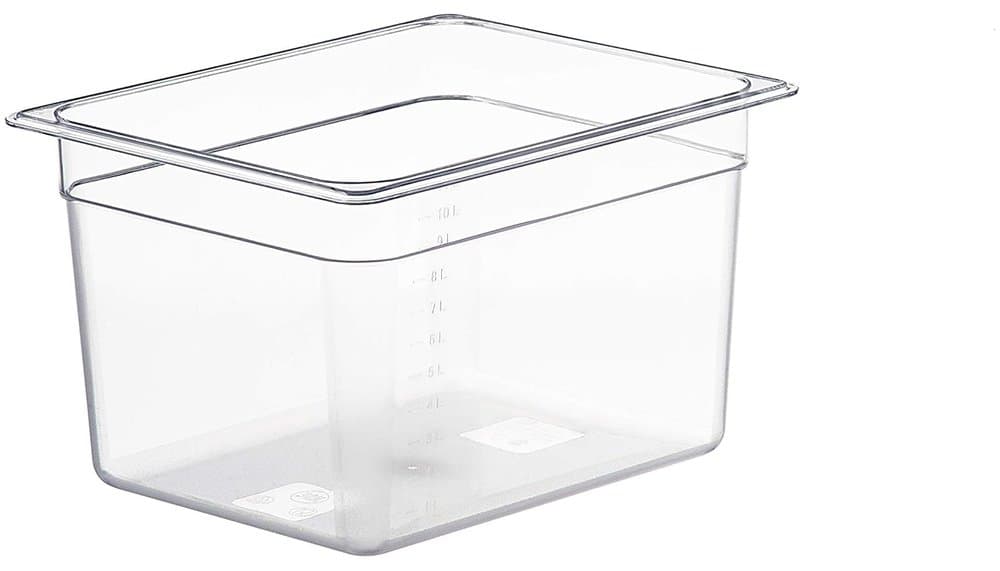
Lipavi C10 11.3 Liter Vacuum Container Review & Test
LIPAVI C10 sous-vide container review: analyzing its energy efficiency, thermal stability & ease of use for precision cooking.

DOQAUS Instant Read Dial Thermometer Review
Master temperature for perfect cooking. Dial thermometer for instant, reliable readings on steak, syrup, ovens. Essential precision tool.
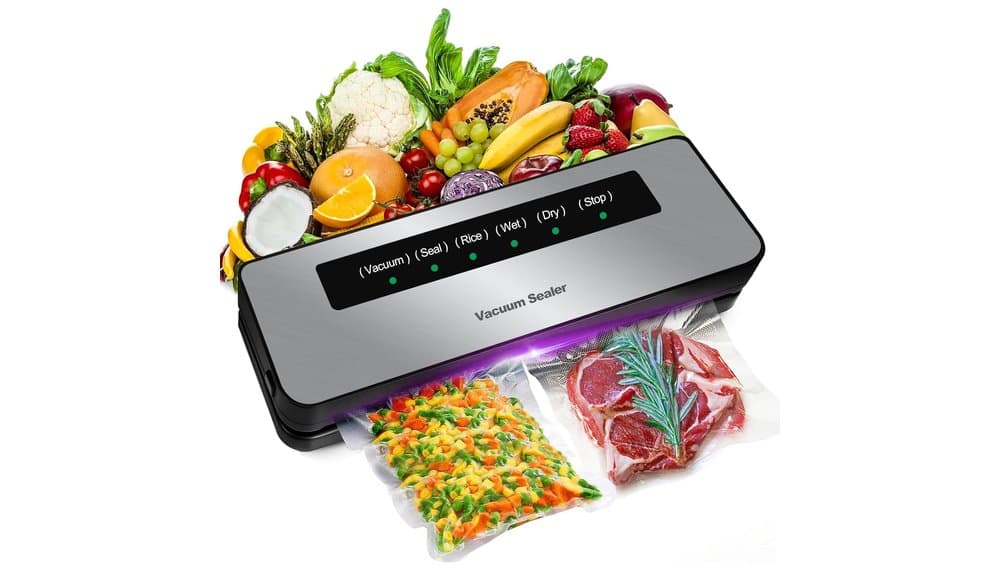
Dictien CF-001A 6-in-1 Sous Vide Machine Review
Ensure perfect sous-vide with the versatile Dictien CF-001A 6-in-1 vacuum sealer for both dry and moist foods. A comprehensive review.