CL CANLENPK 100 Mini Vacuum Sealer Bags Review
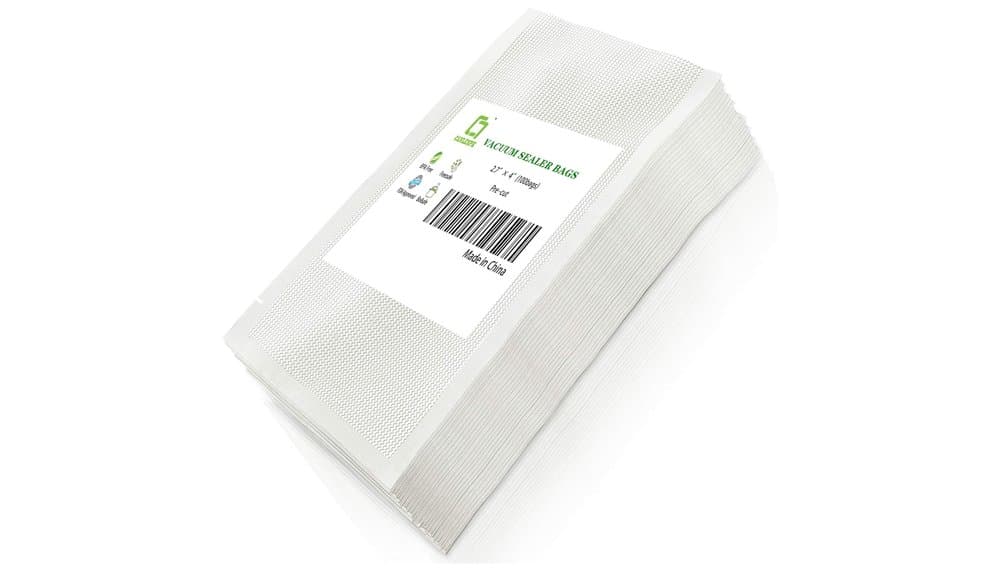
CL CANLENPK 100 Mini Vacuum Sealer Bags
Introduction
In the world of sous-vide cooking, the central product, the one that contains and protects the food, is the bag. The machine is useless without a reliable, airtight, and resistant barrier. Today, we analyze the CL CANLENPK 100 Mini Vacuum Sealer Bags, a product that, at first glance, seems to target a specific niche: the small format. These pre-cut 7x10 cm bags promise to simplify the preservation of small portions. But how do they perform against the rigorous demands of precise cooking, where stability at low temperatures for long durations and perfect airtightness are non-negotiable? This article examines these bags through the lens of the sous-vide community, cross-referencing technical specifications and user feedback to determine if they are a practical niche accessory or a disappointing solution.
See also: Best Vacuum Bags · Kssvzz Mini Portable Sous Vide Machine with Bags Review · Huslog HUS1021 Mini Food Vacuum Sealer Review
Key Strengths
- Convenient Format and Time-Saving: The pre-cut and pre-sealed on three sides nature eliminates the cutting and first sealing step, an appreciated advantage for quick preparations of small portions.
- Claimed Universal Compatibility: The manufacturer indicates compatibility with all types of sealers (external suction sealers, chamber sealers, and heat-only sealers), making it a potentially adaptable product for various setups.
- Thermal Versatility on Paper: The specifications list resistance to high and low temperatures, with a mention of "washable at 95°C" and a claim to be boilsafe, steam safe, and freezable. This theoretically covers the full spectrum of sous-vide, from pre-searing to water bath cooking.
- Quantity and Value for Money: A pack of 100 bags offers a significant volume for regular use on small food items, reducing the unit cost.
Key Weaknesses
- Very Limiting Size: The 7 x 10 cm (approximately 2.7 x 4 inch) format is extremely compact. As one user points out, it becomes "difficult to fill" with powdered products or even small dry foods. For sous-vide cooking of proteins, this size is unsuitable for any standard piece of meat or fish.
- Risky Sealing Zone: With an opening on the short side (10 cm), the margin for a clean and effective seal is reduced. Any overflow of liquid or fat, even minimal, immediately compromises the airtightness, a critical point for long cooks.
- Lack of Labeling Surface: Unlike many bags dedicated to sous-vide, these bags have no white patch or textured area designed for writing. One must use a marker on the clear or textured surface, which can be illegible, especially on the black-backed model.
- Durability in Real Conditions Not Verified: While the specs are ambitious, feedback from the community lacks concrete testimonials on sous-vide cooks lasting 12h, 24h, or more in a circulating water bath at 60-80°C. The "boilsafe" promise therefore remains an assertion not supported by significant experiential feedback.
Detailed Analysis
Construction and Materials: The PA/PE Gamble
The choice of materials is the first element to scrutinize. The CL CANLENPK uses a composite of PA (Polyamide/Nylon) and PE (Polyethylene). In theory, this is a good choice. The PA provides mechanical strength and a barrier to aromas, while the PE ensures moisture impermeability and sealability. The advertised thickness of 4 mil (approximately 100 microns) is within the standard range for medium-quality external suction bags.
However, it is in sous-vide application that questions arise. Resistance to delamination (the separation of the PA and PE layers) under the combined effect of prolonged heat and water movement is a crucial test. The reviews, mostly positive, focus on dry or frozen storage, not on long cooks. For the demanding user, this uncertainty about long-term durability in immersion is a gray area.
See today's pricePerformance in Sous-Vide Cooking: The Great Unknown
We evaluate these bags according to the strict criteria of our field.
- Airtightness and Vacuum Holding: This is the primary function. The small size and reduced opening make the vacuum sealing operation delicate with an external sealer. The risk of sucking liquid or solid particles into the machine is increased. For a chamber sealer, the minuscule size can be an advantage, but it greatly limits food volume. The seal strength is not documented by users in a cooking context.
- Thermal Resistance and Stability: The manufacturer claims a wide temperature range. For sous-vide, the critical range goes from the freezer (-18°C) to low-temperature cooking (generally up to 90°C) and pre-searing (up to 100°C in brief contact). The lack of negative feedback on melting or deformation is encouraging, but again, testimonials are missing for immersions of 24 to 72 hours.
- Moisture and Fat Management: The textured surface on one side (the "dot texture pattern") is designed to facilitate air evacuation with an external sealer. This is a positive point. However, the small sealing margin makes these bags very vulnerable to seal failures due to liquids, a common situation in sous-vide even with dried foods.
Target Audience: From Storage to Sous-Vide Niche
This product finds its place in two precise scenarios, but outside the mainstream of sous-vide cooking.
- For the Organized Sous-Vide Enthusiast: Its utility is accessory and organizational. It is perfect for vacuum sealing small quantities of herbs, spices, powders (like glucomannan, yeast), garnishes, or for cryo-shocking small pieces for a finishing sear. It is not a bag for the main piece of meat.
- For the Beginner or Multi-Use User: For someone who uses a sealer mainly for freezer storage (nuts, small fruits, leftover grated cheese) or for organization (crafts, travel), these bags are highly rated. They fulfill this function effectively and economically.
Comparison with Standard Offerings
Compared to a standard roll of bags or "quart size" bags, the CL CANLENPK 100 Mini sacrifices flexibility (you cannot adjust the size) and capacity in favor of immediate practicality for very small volumes. For serious sous-vide cooking, a roll remains infinitely more useful. These mini bags are a complement, not a replacement solution.
Technical Specifications
| Characteristic | Detail |
|---|---|
| Product Name | CL CANLENPK 100 Mini Vacuum Sealer Bags |
| Dimensions (L x H) | 7 x 10 cm (2.7 x 4 inches) - external dimensions |
| Quantity | 100 bags |
| Material | PA and PE (Polyamide / Polyethylene) |
| Thickness | 4 mil (approximately 100 microns) |
| Style | Pre-cut, pre-sealed on 3 sides, opening on the short side |
| Surface Finish | One smooth and clear side, one textured side (dot pattern) |
| Claimed Compatibility | External suction sealers, chamber sealers, heat-only sealers |
| Thermal Resistance | Washable at 95°C, advertised as boilsafe, steam safe, microwave safe, and freezable |
| Features | Odor-resistant, tear-resistant |
What Users Say
An analysis of over a thousand global reviews reveals a clear picture: these bags are highly appreciated for a specific use, but that use is rarely classic sous-vide cooking.
Recurring Positive Trends:
- Practical and as Described: The majority of comments, like "perfect", "as described" or "as advertised", emphasize that the product meets expectations for simple storage.
- Ideal for Small Items: One user specifies they are "Great little bags for small applications" and recommends them for supplements, craft supplies, candy.
- Perceived Good Value for Money: The quantity of 100 bags for a small format is often cited as a positive point.
Criticisms and Limitations Raised:
- Size Too Small for Standard Food Use: The same user who likes them for storage notes that they are "too small for use with a FoodSaver" in a context of vacuum sealing larger food items.
- Labeling Problem: A tester (Amazon Vine) points out the major flaw for organized storage: "no white patch... You have to use a felt tip marker", noting that this can make the label illegible.
- Absence of Feedback on Long Cooks: No review analyzed describes a successful or failed sous-vide cooking experience with these bags. The feedback concerns almost exclusively static storage (dry, freezer).
Community Verdict: These bags are perceived as a practical and economical storage accessory for very small items, well-suited for home organization. Their evaluation as high-performance sous-vide cooking bags remains largely unexplored by the available comments.
Conclusion
The CL CANLENPK 100 Mini Vacuum Sealer Bags is a product that perfectly plays its role... within the narrow limits of its specifications. For the community of precise sous-vide cooking, it cannot be considered a primary working bag. Its minuscule size and lack of a practical sealing margin make it unsuitable for the vast majority of culinary preparations requiring a water bath.
On the other hand, for the sous-vide enthusiast looking for a secondary storage solution – for aromatics, small garnishes, spice samples, or tool protection – these pre-cut bags find real utility. Their broad claimed compatibility and PA/PE construction are theoretical assets.
Our Final Analysis: Buy these bags if you have a specific and recurring need to vacuum seal very small dry or solid elements for storage or organization. Avoid them if you are looking for versatile bags for sous-vide cooking of meats, vegetables, or fish, even in small portions. For this latter application, "quart size" bags or, better yet, a roll that you cut to order, remain far more flexible and suitable options for the integrity of your long and precise cooks.
100% free and independent — All our articles are written independently, without any sponsorship. We may earn a commission on purchases made through our links, at no extra cost to you.
Articles you might like
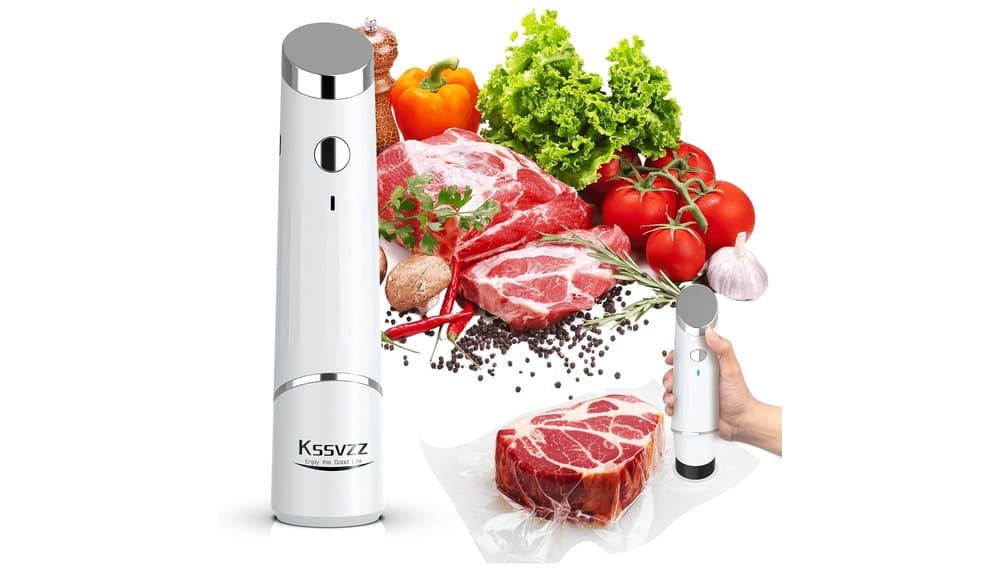
Kssvzz Mini Portable Sous Vide Machine with Bags Review
A review of the Kssvzz Mini Machine: a portable, manual vacuum sealer for food preservation at home and while traveling.

Huslog HUS1021 Mini Food Vacuum Sealer Review
Discover why the vacuum sealer is as vital as the immersion circulator for perfect sous-vide cooking results. The key to flavor and texture.
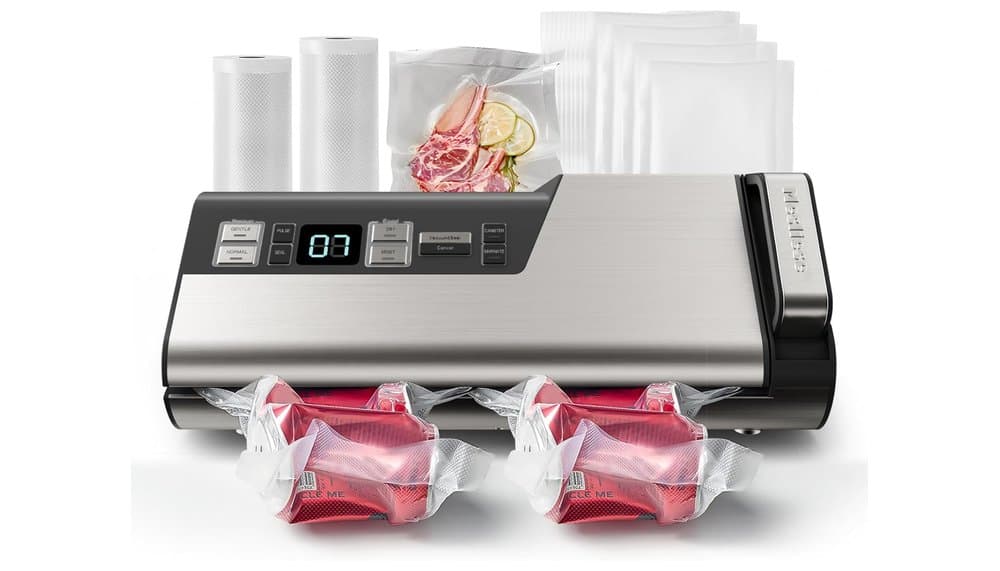
Mesliese Vacuum Sealer Machine & Bags Review
Testing the Mesliese vacuum sealer for sous-vide cooking: its performance in ensuring perfect and flavorful results through optimal sealing.
Guides you might like
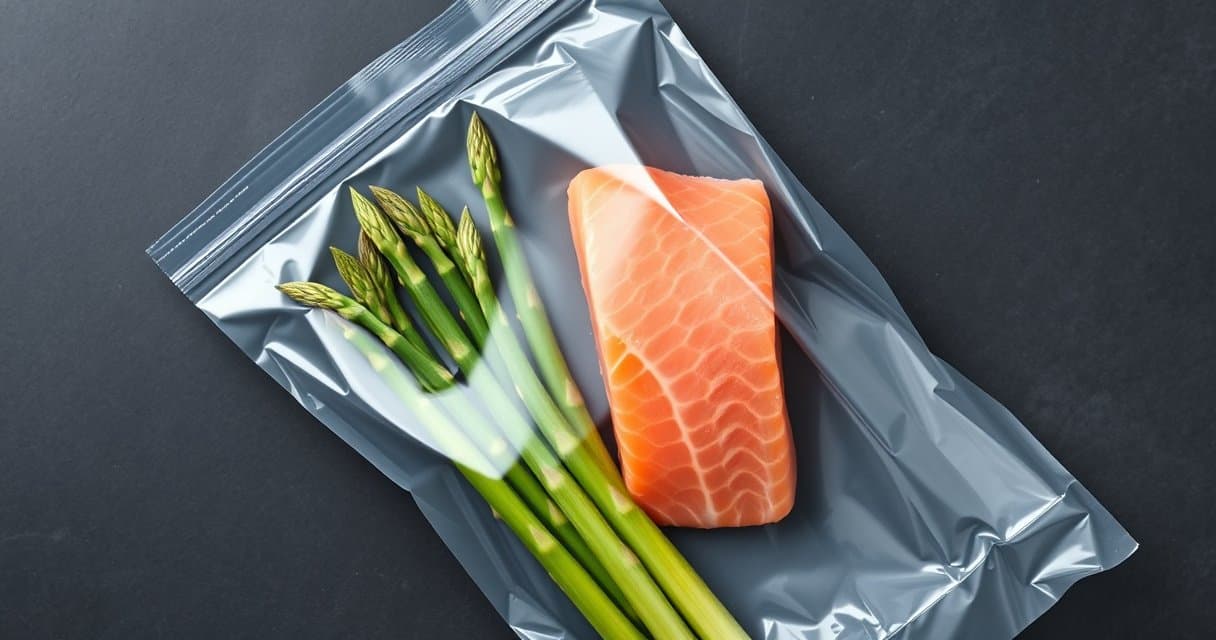
Best Vacuum Bags
Choose the right vacuum sealer bags for perfect results. Learn key specs like heat resistance, thickness, and barriers to avoid culinary disasters.
Bell Jar Vacuum Sealer Buying Guide
Upgrade to a chamber vacuum sealer for professional sous-vide results at home. Perfect for liquids and flawless, long-lasting seals.
The Ultimate Portable Vacuum Sealer Guide
The secret to perfect sous-vide cooking? An efficient portable vacuum sealer to lock in freshness and master temperature control.