Amazon Basics Medium Vacuum Bag & Pump Review
Introduction
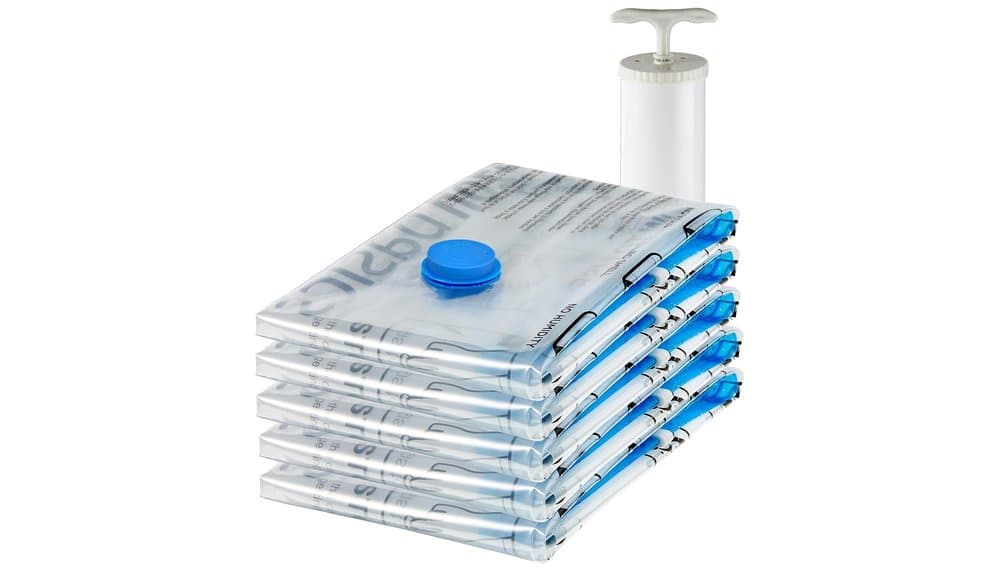
For enthusiasts of precision cooking, mastering the environment is paramount. Whether regulating the temperature of a water bath to within a tenth of a degree or controlling the vacuum in packaging, the logic is the same: the equipment must be performant, reliable, and dedicated to its task. In this spirit, we examine today a product that, at first glance, might seem far from our culinary concerns: the Amazon Basics Medium Vacuum Storage Bags with Hand Pump.
Designed for storing linens and textiles, this external suction vacuum system is often considered as an economical solution for packaging food, particularly for sous-vide cooking. This technical analysis aims to dissect this product through the lens of precision cooking. Can it play the role of a food vacuum sealer? Are its suction strength, seal quality, and robustness compatible with long cooks and food contact? Based on official specifications and the massive feedback from the user community, we will separate the wheat from the chaff.
Strengths
- Accessible price-quality ratio: According to feedback, the product offers a low-cost entry point into the world of vacuum compression, which may appeal to beginners wanting to experiment without investing in a dedicated sealer.
- Effective space saving for storage: The main promise is kept. Users confirm the bags effectively compress duvets, clothes, and linens, allowing for optimized storage.
- Versatility of suction: The inclusion of a hand pump is a real plus for portable use (travel) or as a complement to a domestic vacuum cleaner. The valve is designed to fit a standard vacuum hose.
- Good long-term airtightness (for textiles): Many reviews highlight that the bags, once properly sealed, remain compressed for several weeks or months without re-inflating, indicating good valve and seam integrity.
- Materials perceived as sturdy: Users describe the bags as "resistant," "thick," and "durable" for repeated textile storage use.
Weaknesses (from a sous-vide cooking perspective)
- Lack of certification for food contact: This is the critical point. The specifications indicate a material of PA (Polyamide/Nylon) and PE (Polyethylene). Although PE is common for food bags, the product is neither presented nor certified for food use. No mention of compliance with food standards (FDA, LFGB) is made.
- Sealing system unsuitable for cooking: The closure is a double zipper seal. This system is notoriously less reliable than a thermal weld seal for withstanding the prolonged heat of a water bath and internal pressure. The risks of delamination or leakage are high.
- Limited suction strength: The hand pump, while practical, only generates a very partial vacuum compared to an external suction sealer, and even more so to a chamber sealer. This leaves a lot of residual air, the enemy of precise sous-vide cooking.
- Liquid management impossible: The valve system is not designed to prevent liquids (marinade juices, food moisture) from being sucked up, which would damage the pump and compromise the vacuum.
- Risk of tearing on sharp edges: The instructions warn against sharp objects. A bone or a lamb chop could easily puncture the bag during handling or cooking.
Detailed Analysis from a Precision Cooking Perspective
Performance and Technical Specifications
Let's evaluate the key elements that make good vacuum equipment and confront them with the characteristics of this product.
Suction Power and Vacuum Quality
This is the heart of the problem. In culinary vacuum sealing, we seek to eliminate maximum air to ensure perfect contact between the food and the bag, enabling optimal heat transfer and avoiding buoyancy. Chamber sealers create a strong vacuum (up to 99% and more). Good quality external suction sealers suck the air out before thermal sealing.
The Amazon Basics Medium Vacuum Storage Bags with Hand Pump system relies on manual suction or suction via a domestic vacuum cleaner. According to feedback, even with a vacuum cleaner, the vacuum obtained is moderate. With the hand pump, the effort is significant and the result often incomplete. For textile storage, it's enough. For cooking, it's inadequate: residual air creates an insulating pocket, harming thermal stability and potentially making the bag float, disrupting water circulation.
Robustness and Long-Term Integrity (24h+)
Long cooks (24, 48, 72 hours) are a merciless test. A bag must withstand a constant temperature typically between 55°C and 85°C, without deforming, delaminating, or leaking.
The bags are described as "durable" for room temperature storage. However, their multi-layer PA/PE structure and zipper closure are not designed for a hot water bath. The risk of delamination (separation of plastic layers) or failure of the zipper closure under the effect of heat and water pressure is very high. A single leak means complete cooking failure and food loss.
Compatibility and Versatility
- Bag Compatibility: These bags are not compatible with standard food vacuum sealers. They work as a closed system with their proprietary valve.
- Moisture Management: They offer no protection against liquid suction. For marinating meat or cooking juicy vegetables, liquids will be sucked into the pump or vacuum hose, creating a mess and breaking the vacuum.
- Design and Use: The hand pump is a storage accessory, not a culinary precision tool. Its use is slow and tiring for preparing multiple portions.
Comparison with Dedicated Equipment
Let's put this product in perspective with tools designed for cooking.
| Characteristic | Amazon Basics Bags (for storage) | External Suction Sealer (entry-level) | Chamber Sealer (professional) |
|---|---|---|---|
| Primary Use | Textile storage | Sous-vide cooking, preservation | Long sous-vide cooking, preservation |
| Food Contact | Not certified | Yes, food standards | Yes, food standards |
| Sealing Type | Zipper Closure | Thermal weld | Thermal weld under vacuum |
| Vacuum Quality | Low to moderate | Good | Excellent (strong vacuum) |
| Liquid Management | None | Wet suction channel (on good models) | Perfect (suction into the chamber) |
| Long Cook Resistance | Very doubtful, high leakage risk | Good (with suitable bags) | Excellent |
| Bag Compatibility | Specific bags only | Wide choice of standard rolls/bags | Specific smooth bags for chambers |
| Long-term Cost | Bags to repurchase (limited use) | Cost of rolls/bags | Cost of smooth bags (often more expensive) |
What Users Say: A Synthesis of Reviews
Analysis of over 140,000 global reviews (rating of 4.3/5) reveals clear trends confirming our technical analysis.
Recurring positive points (for storage):
- Compression efficiency: "Impressive space saving," "reduces volume by 80%."
- Durable airtightness: "They don't re-inflate at all after several months," "the valve holds really well."
- Perceived solidity: "Very sturdy," "resistant," "no defects."
- Usefulness of the hand pump: "Practical for travel," "good alternative if no vacuum cleaner."
Recurring negative points (and lessons for cooking):
- Difficulty with the hand pump: "It takes a bit of time," "I couldn't get all the air out with the pump." This highlights the low suction strength.
- Quality control defects: Some report defective bags with air leaks. This lack of absolute reliability is unacceptable for a long cook where a leak equals a loss.
- Incompatibility with certain vacuum cleaners: Users note that their vacuum cleaner (like Dyson with a safety system) does not work with the valve. This lack of universal compatibility is a problem.
- The product is explicitly appreciated FOR textile storage, and attempts to repurpose it for food use are not mentioned as successful in the analyzed reviews.
Conclusion
The Amazon Basics Medium Vacuum Storage Bags with Hand Pump are a product that perfectly fulfills its primary function: compressed textile storage. They are robust, airtight over time, and offer an excellent price-quality ratio for this use.
However, from a precision sous-vide cooking perspective, this product is clearly unsuitable and even not recommended. The reasons are technical and fundamental: lack of food certification, sealing system (zipper) not designed for heat, partial and inefficient vacuum, and high risk of failure during long cooks.
For a beginner wanting to try sous-vide, investing in a dedicated external suction sealer, even an entry-level one, is the only reasonable path. It will guarantee food safety, reliability, and reproducibility of results. For the experienced enthusiast or professional, only a chamber sealer offers the required level of control, strong vacuum, and reliability.
In summary, let's keep tools for their intended purpose. These excellent bags for storing your winter duvets unfortunately have no place in your precision kitchen. The risk to the quality of your dishes, and potentially to your health, is simply too great.
100% free and independent — All our articles are written independently, without any sponsorship. We may earn a commission on purchases made through our links, at no extra cost to you.
Articles you might like
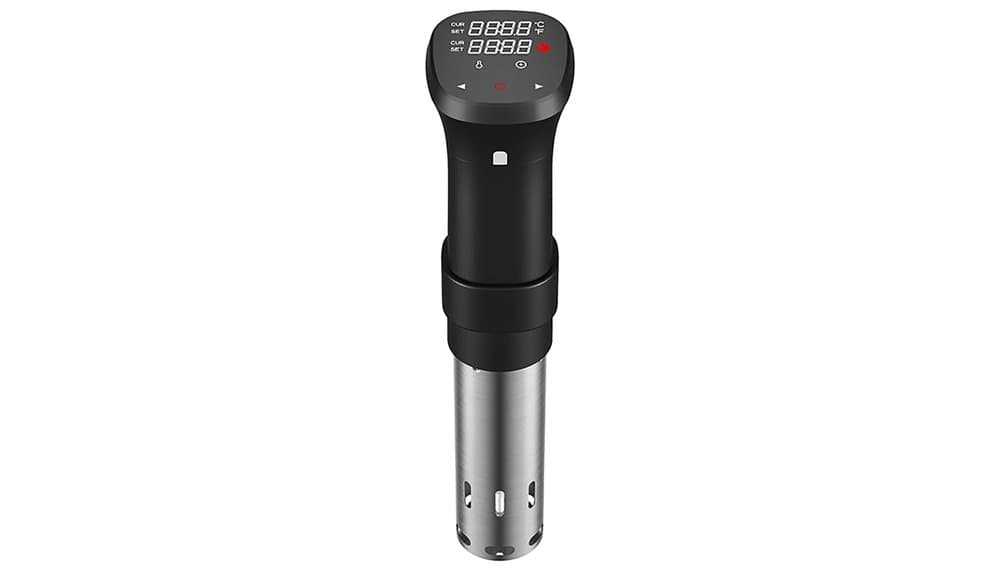
Fityou HU-XI-53 Immersion Circulator Sous Vide Cooker Review
Fityou HU-XI-53 Immersion Circulator review: A high-performing, accessible sous vide cooker with 1100W power, precise 0.1°C accuracy, and a 25-95°C range.
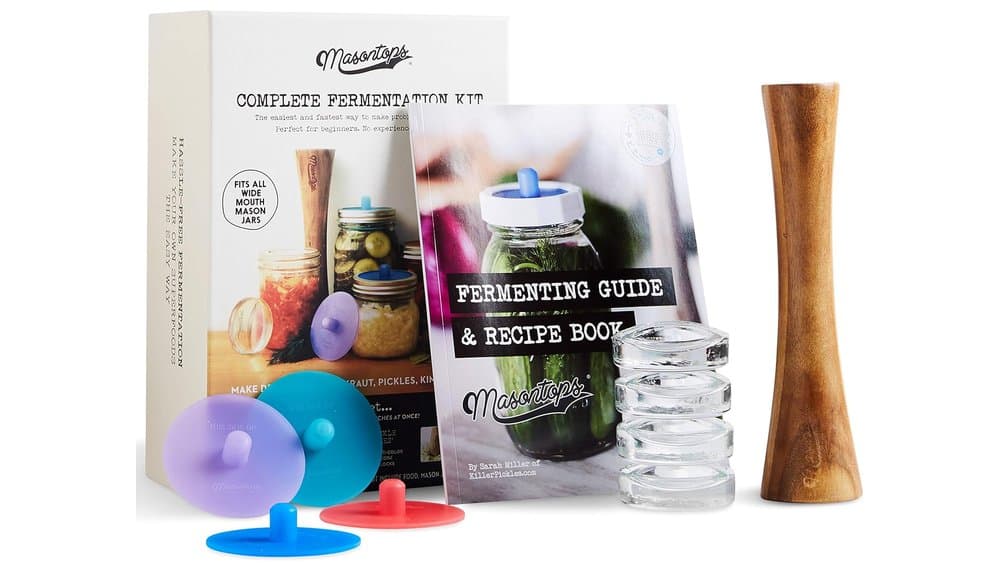
Masontops Complete Fermentation Jar Kit Review & Test
Review: Masontops Kit transforms Mason jars into precise fermentation tools for mastering the microbial environment.
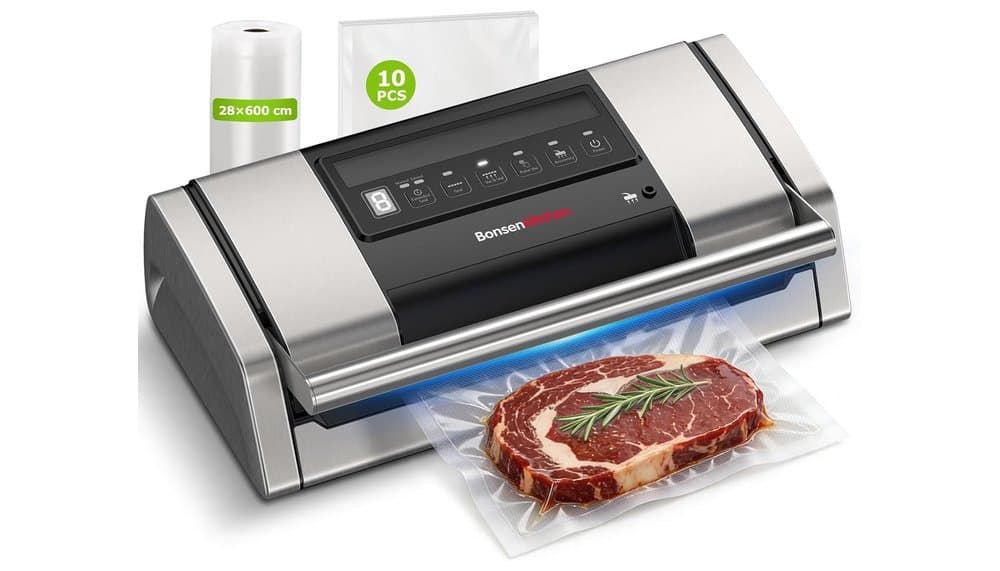
Bonsenkitchen VS5100 Food Vacuum Sealer Review
Master sous-vide results depend on a perfect seal. Our review of the Bonsenkitchen VS5100 vacuum sealer analyzes its performance for long cooks.
Guides you might like
Bell Jar Vacuum Sealer Buying Guide
Upgrade to a chamber vacuum sealer for professional sous-vide results at home. Perfect for liquids and flawless, long-lasting seals.
Best Beginner Sous Vide Kit
Find the perfect sous-vide starter kit on a budget. Learn the three essential features to look for to cook your first perfect steak without the headache.
Best Vacuum Bags
Choose the right vacuum sealer bags for perfect results. Learn key specs like heat resistance, thickness, and barriers to avoid culinary disasters.