HENDI 970621 Vacuum Sealer Bags Review
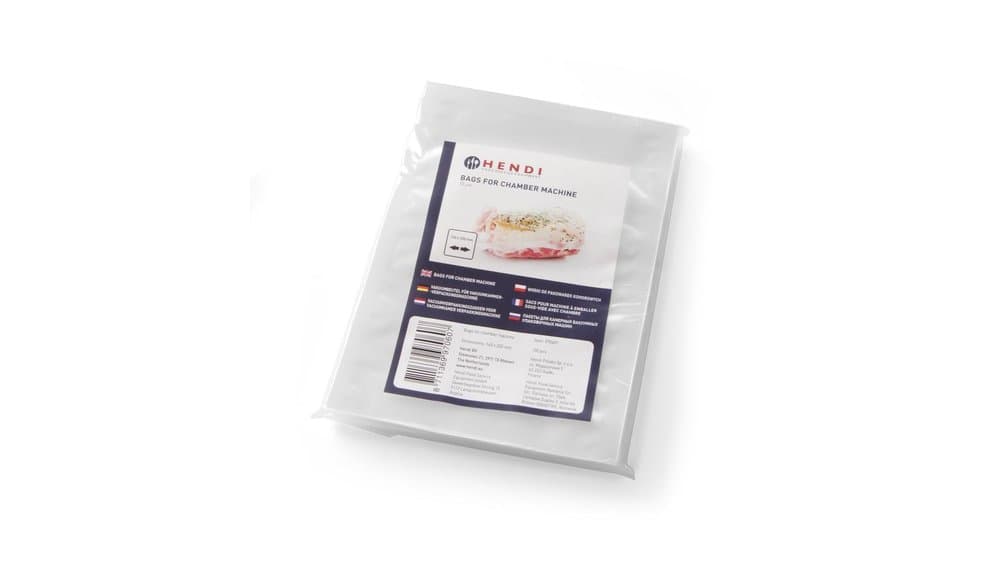
Analysis of HENDI 970621 Vacuum Sealer Bags: Compatibility and Performance in Sous-Vide Cooking
In the world of sous-vide cooking, the bag is much more than a simple container. It is the essential link that guarantees the integrity, safety, and success of long, low-temperature cooking. The HENDI 970621 Vacuum Sealer Bags present themselves as a solution for owners of chamber machines. But does their promise hold up to the demands of precision cooking? This in-depth analysis breaks down their specifications, compatibility, and real-world performance based on community feedback, to determine if they constitute a wise choice for both amateurs and enthusiasts.
Strengths and Weaknesses: A Quick Summary
Strengths:
- Specifically designed for chamber vacuum machines, which promises a good technical fit.
- Two-layer construction (Polyamide/Polyethylene) offering a priori good mechanical resistance.
- Pre-cut and resealable format, practical for quick use in the kitchen.
- Sourced from a brand specialized in professional and catering equipment.
Weaknesses:
- Major incompatibility with external (non-chamber) vacuum machines, severely limiting their audience.
- Modest thickness (65 µm) which, according to many users, can cause reliability issues in the long term.
- Highly polarized customer reviews, with numerous reports of failures during sealing or cooking.
- Maximum temperature potentially limiting for some high-heat sous-vide applications (beyond 90°C for prolonged periods).
Detailed Analysis for Sous-Vide Cooking
Machine Compatibility: The Crucial Chamber vs. External Distinction
This is the most critical point of this analysis. The manufacturer's specifications are clear: these bags are recommended for chamber vacuum machines. This information, often overlooked by private buyers, is the main source of disappointment expressed in reviews.
In a chamber machine, the entire bag is placed in a sealed compartment which is evacuated of air. The external atmospheric pressure then does the work of compressing the bag around the food. The bag does not need to withstand direct and intense suction, and the sealing occurs in an airless environment.
Conversely, external vacuum machines (the most common in home kitchens) suck the air directly from inside the bag via a channel. This requires the plastic to be rigid enough not to stick and block the air passage, and strong enough not to be sucked into the nozzle or deform excessively. Based on feedback, the HENDI 970621 bags, with their 65 µm film, often do not meet these requirements for external machines. Reviews frequently mention that the bag "melts", "sticks electrostatically", or that the machine "doesn't even detect it".
Conclusion: These bags are a potentially good choice only if you own a HENDI or similar chamber machine. For users of external machines (FoodSaver and others), they present a very high risk of failure.
Construction and Resistance: Specifications on Paper vs. Reality in the Field
On paper, the technical sheet describes a two-layer structure:
- Inner layer: Polyethylene (PE), the standard material for heat sealing and food contact.
- Outer layer: Polyamide (PA/Nylon), which typically provides tensile strength, puncture resistance, and a good oxygen barrier.
The total thickness stated is 65 µm (0.065 mm). To put this in perspective, many high-end sous-vide bags for long cooking (24h+) feature thicknesses from 80 µm to 150 µm. The 65 µm is therefore in the low range, which explains comments about "poor quality" or "very, very thin" plastic. This thinness may be sufficient for short cooking or for vacuum storage of dry products, but it raises questions for robustness during prolonged cooking, especially with foods having sharp edges (bones, shellfish).
Performance in Sous-Vide Cooking: Temperature and Integrity
The manufacturer does not provide an explicit temperature range for this specific model (970621). However, cross-referencing information, we note that HENDI offers a range of bags "for sous-vide cooking" with a 75 µm thickness and a tolerance of -20°C to 110°C. For 65 µm bags like the 970621, the description states "Not suitable for sous-vide cooking".
This mention is crucial. Although the base material (PE/PA) can theoretically withstand typical sous-vide temperatures (generally between 50°C and 85°C), the reduced 65 µm thickness can compromise the bag's integrity during prolonged water baths. The community reports problems of plastic melting at the seal or weak points that can lead to rupture and contamination of the cooking water. For enthusiasts who regularly practice 24, 48, or even 72-hour cooks, this uncertainty is prohibitive. Long-term reliability does not seem guaranteed with this product.
Value for Money and Target Audience
Without directly addressing price, we can evaluate the value proposition.
- For a beginner equipped with a domestic external vacuum machine: These bags represent an unnecessary risk. The high probability of failure during sealing or cooking can be discouraging and lead to waste of food and money. It is strongly advised to turn to bags explicitly compatible with external machines, often featuring texturing that facilitates air evacuation even with thin films.
- For an experienced user with a chamber machine (domestic or professional): These bags could constitute an economical option for preparations not requiring long cooking or for simple vacuum storage. However, the 65 µm thickness and mixed feedback call for caution. For serious sous-vide cooking, investing in thicker bags (like the 75 µm versions from HENDI or other reputable brands) is a safer decision.
- For the professional (catering) using HENDI equipment: These bags are designed to integrate into the HENDI ecosystem. Their pre-cut format and convenient closure can be a logistical asset for fast service. Durability over repeated cycles in a professional kitchen remains to be verified by user experience, which seems divided.
Summary Technical Sheet
| Characteristic | Detail |
|---|---|
| Model | HENDI 970621 Vacuum Sealer Bags |
| Quantity | 100 pieces |
| Dimensions (bag) | 300 mm x 400 mm |
| Material | 2 layers: Polyethylene (interior) / Polyamide (exterior) |
| Total Thickness | 65 micrometers (µm) |
| Closure Type | Pump closure (integrated bag system, for chamber machine) |
| Shape | Rectangular, pre-cut |
| Sous-Vide Cooking Compatible | Not recommended by the manufacturer for this application |
| Machine Compatible | Chamber vacuum machines (incompatible with standard external machines) |
| Temperature Range | Not specified by the manufacturer for this model |
What Users and the Community Say
Available customer reviews paint a very contrasting picture, with strong polarization that corroborates our analysis on compatibility.
Positive feedback (minority in our sample) generally comes from users who seem to employ them in the intended context. They mention bags that are "strong", "perfect for the chamber machine" or "suitable for individual portions". These reviews confirm that when the conditions of use are perfectly respected, the product can fulfill its basic function.
Negative feedback and recurring problems are much more instructive:
- Incompatibility with external machines: This is the number one complaint. The wording is unambiguous: "Do not buy", "Not valid for conventional vacuum sealers", "Ungeeignet für Caso [Unsuitable for Caso]", "Not compatible with all the vacuum machine". The plastic is described as too thin, sticky, and preventing good suction.
- Sealing and melting problems: Several users report that the plastic "melts before vacuuming" with their machine, indicating insufficient heat resistance at the moment of heat sealing.
- Perception of poor quality: Terms like "very poor quality plastic", "very, very thin" often recur, contrasting with the professional image of the HENDI brand.
The overall rating of 3.5/5 stars perfectly reflects this dichotomy: either the bag works for your very specific setup (chamber machine), or it's a total failure. There is almost no grey area.
Conclusion: A Niche Product with Known Limits
The HENDI 970621 Vacuum Sealer Bags are not a universal product. Their design clearly targets specific use with professional or semi-professional chamber vacuum machines, most likely within the ecosystem of HENDI appliances.
For the vast majority of home sous-vide cooks, equipped with external suction machines, these bags present a failure rate too high to be recommended. Their 65 µm thickness and lack of texturing make them unsuitable for this type of technology.
Even for the fortunate owners of chamber machines, the analysis suggests caution for long-duration sous-vide cooking applications. The manufacturer itself does not recommend them for this use, and user experience reports potential fragility. For cooks beyond a few hours, or at high temperatures (above 85°C), it would be wiser to opt for bags explicitly designed for this purpose, with a greater thickness (75 µm minimum).
In summary, the HENDI 970621 find their audience in a very narrow niche: quick vacuum storage and pre-packaging in a professional setting or for private individuals equipped with a compatible chamber machine. For everything related to precision sous-vide cooking, whether practiced by a beginner or a demanding enthusiast, the available data points toward other solutions offering a better safety margin and more established compatibility. In the field of sous-vide, where airtightness is synonymous with food safety and perfect culinary results, opting for bags whose reliability is attested by the community is an essential investment.
100% free and independent — All our articles are written independently, without any sponsorship. We may earn a commission on purchases made through our links, at no extra cost to you.
Articles you might like
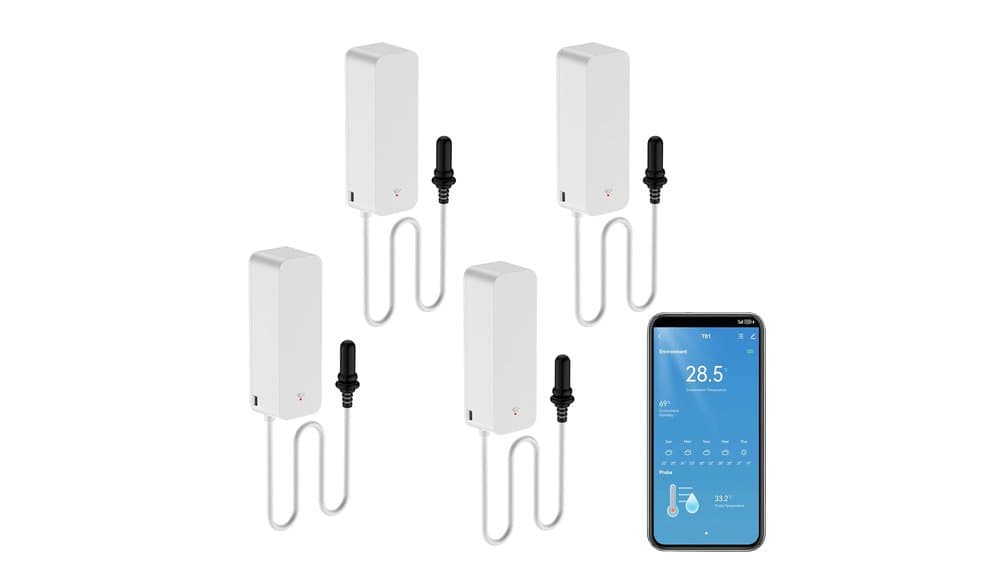
PHOVOLT WiFi Thermometer with Probe Test
For precise sous-vide & charcuterie, a calibrated core temperature probe is essential to ensure perfect results where it matters most.
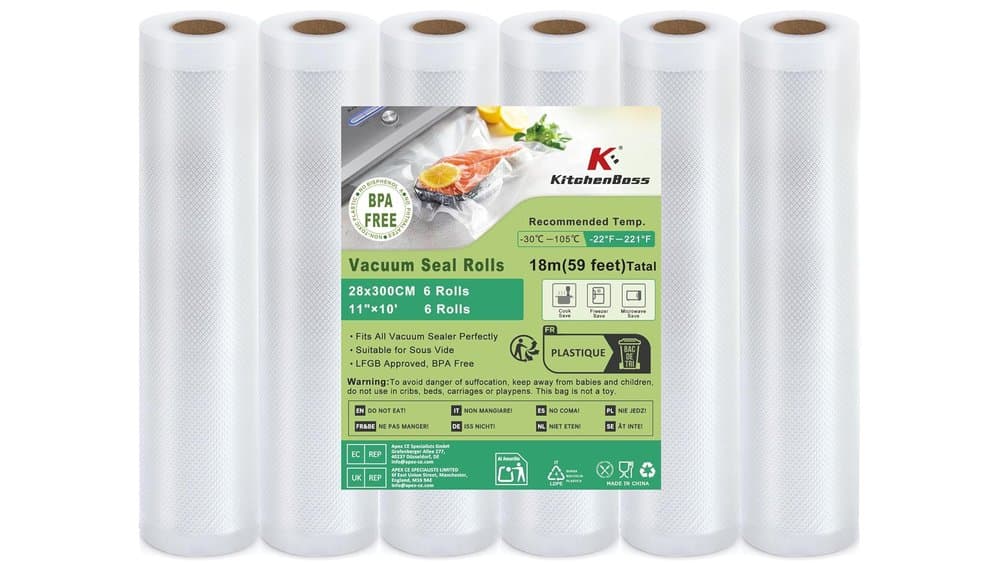
KitchenBoss Food Vacuum Bag Roll Review & Test
KitchenBoss vacuum sealing bags for sous-vide: analyze specs, compare performance, and determine value for precision cooking storage and preparation.
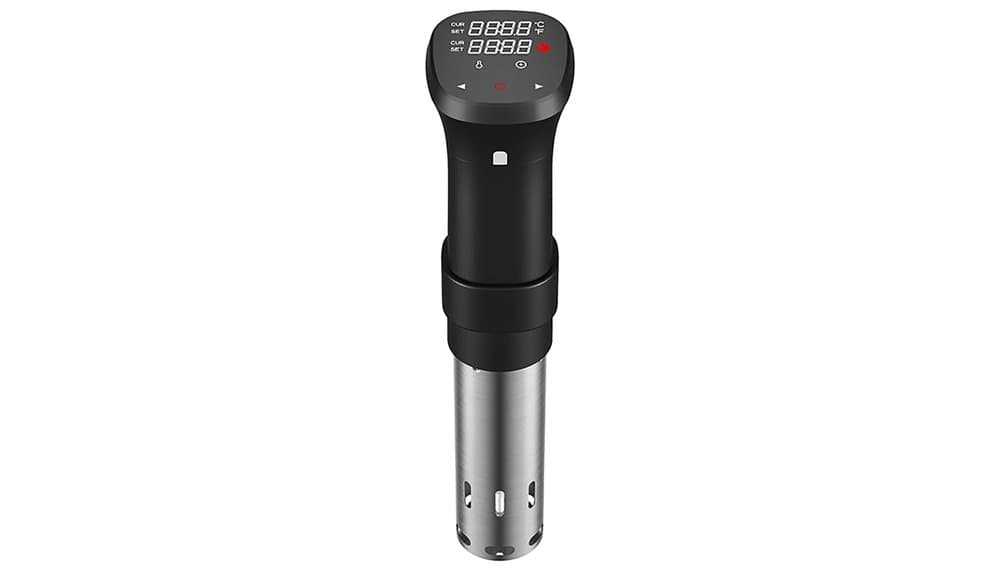
Fityou HU-XI-53 Immersion Circulator Sous Vide Cooker Review
Fityou HU-XI-53 Immersion Circulator review: A high-performing, accessible sous vide cooker with 1100W power, precise 0.1°C accuracy, and a 25-95°C range.
Guides you might like
Bell Jar Vacuum Sealer Buying Guide
Upgrade to a chamber vacuum sealer for professional sous-vide results at home. Perfect for liquids and flawless, long-lasting seals.
Best Beginner Sous Vide Kit
Find the perfect sous-vide starter kit on a budget. Learn the three essential features to look for to cook your first perfect steak without the headache.
Best Vacuum Bags
Choose the right vacuum sealer bags for perfect results. Learn key specs like heat resistance, thickness, and barriers to avoid culinary disasters.