HENDI 970690 Vacuum Sealing Bags Review
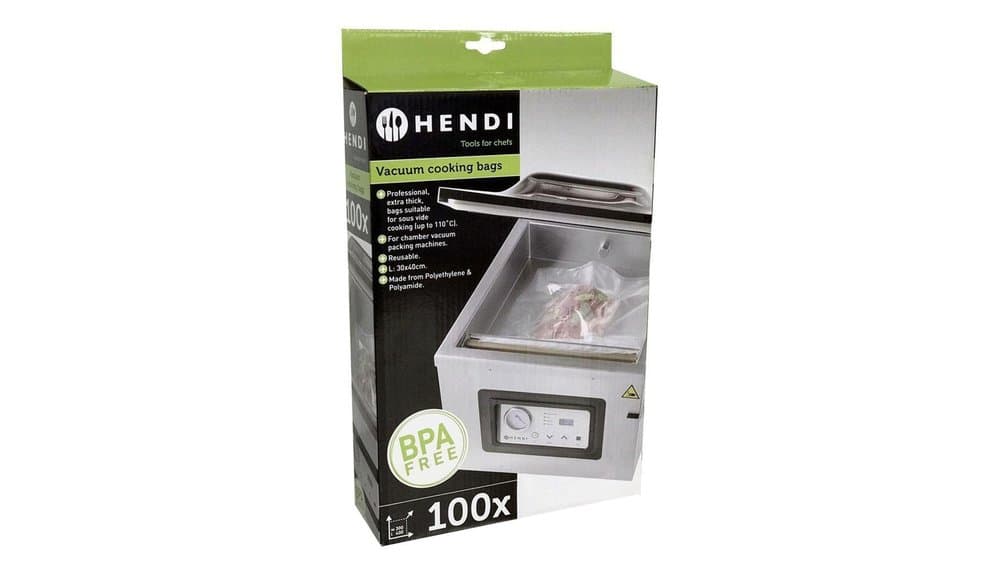
Analysis: Are HENDI 970690 Vacuum Cooking Bags the Right Bags for Your Sous Vide Practice?
In the world of precision cooking, the choice of vacuum sealing bag is often relegated to the background, behind the acquisition of an immersion circulator or a sealing machine. This is a mistake. The bag is the direct interface between your food and the water bath, and its characteristics determine the safety, reliability, and success of your long cooks. Today, we dissect the HENDI 970690 Vacuum Cooking Bags, a product presented as specially designed for sous vide cooking. Far from consumer products, HENDI targets the foodservice sector. Does this professional origin promise bulletproof reliability for the home sous vide enthusiast? We analyze the specifications, cross-reference user feedback, and evaluate their real relevance in our precision cooking context.
Strengths
- Two-layer construction and direct food approval: The 75 µm (food-grade polyethylene + nylon) structure is the solid standard for long cooks and storage.
- Official compatibility with chamber machines: These bags are designed for the high vacuum and robust seals of professional chamber machines.
- Extended temperature range: A tolerance from -20°C to 110°C covers all sous vide cooking ranges, from frozen to the hottest cooks.
- Practical pre-cut dimensions: The 300x400 mm format (and others available) eliminates cutting and sealing one side, saving time.
Weaknesses
- Major incompatibility with external suction machines ("home-use" type): This is the main point of friction. These smooth bags are not designed for common small domestic machines, leading to systematic failures for a portion of buyers.
- Lack of textured surface: Their smooth surface, ideal for chamber machines, is a handicap for evacuating air with an external suction machine.
- Sometimes ambiguous product information: The mention "Especially for use with the Vacuum Cooker" can be confusing without careful reading of the technical specifications.
Detailed Analysis by Precision Cooking Criteria
Construction, Materials, and Food Safety
On paper, the specifications of the HENDI 970690 are robust. The two-layer structure is a mark of seriousness:
- Inner layer (60 µm) polyethylene: This is the material in direct contact with food. Its approval for this use is non-negotiable, and HENDI, as a professional supplier, validates it.
- Outer layer (15 µm) polyamide (Nylon): This layer provides mechanical strength, necessary to withstand handling, immersion in hot water for long durations, and the risk of accidental tearing.
The total thickness of 75 µm is in the higher tier for semi-professional or demanding home use. It promises a good oxygen barrier and resistance to high temperatures. The stated range of -20°C to 110°C is fully appropriate, covering vacuum freezing, all sous vide cooks (generally between 50°C and 85°C), and even hotter pasteurization processes.
Machine Compatibility & Sealing Performance
This is THE core of the analysis. It is crucial to understand that not all vacuum machines are the same.
- For chamber vacuum machines: According to the technical sheet and positive feedback, these bags are perfectly suited. Chamber machines create a vacuum in the entire chamber before sealing, which works perfectly with smooth bags. The seal is typically double and extremely strong.
- For external suction machines (or "chamberless"): This is where the problem lies. The vast majority of domestic machines (FoodSaver and similar) suck air directly from inside the bag via the sealing strip. To function correctly, they imperatively need textured (honeycomb) bags that create channels for air evacuation. The HENDI 970690, being smooth, do not allow efficient air evacuation. User feedback is unequivocal on this point: with this type of machine, suction is poor, the vacuum is not optimal, and sealing failures can occur.
Performance in Long Cooks (24h+)
The 75 µm construction is, theoretically, an asset for prolonged cooking. The thickness and double layer offer superior resistance to thermal and mechanical fatigue compared to thin single-layer bags. No user feedback reports delamination (separation of layers) or excessive weakening during long cooks. The stability of the seal, provided it was done correctly with a compatible machine, is considered reliable. The long-cook practitioner community consistently favors this type of thick bag to avoid any risk of leakage after several tens of hours in the water bath.
Value for Money & Target User
Analyzing the feedback reveals two user profiles with radically opposed experiences.
- The user equipped with a chamber machine (or moving to professional): For this person, the bags are perceived as reliable, sturdy, and compliant. The quality of the seal and peace of mind during long cooks justify the investment. This is clearly the primary target for this product.
- The user equipped with a standard external suction machine: For this buyer, the experience is frustrating and labeled as defective. Negative reviews almost exclusively stem from this compatibility misunderstanding. It is not a defect of the bag, but a mismatch with the equipment.
Technical Specifications
| Criterion | HENDI 970690 Specification |
|---|---|
| Material | Polyethylene (inner layer) / Polyamide/Nylon (outer layer) |
| Total Thickness | 75 µm (60 µm + 15 µm) |
| Food Approval | Yes, inner polyethylene layer for direct contact |
| Temperature Range | -20°C to +110°C |
| Dimensions (Analyzed Format) | 300 mm x 400 mm (other formats available) |
| Machine Compatibility | Chamber vacuum machines (recommended) |
| Texture | Smooth (not textured) |
| Packaging | Pack of 100 bags |
What Users and the Community Say
The synthesis of customer reviews and online discussions reveals a clear polarization, directly linked to the type of equipment owned.
Recurring positive points (mostly from chamber machine owners):
- Excellent sealing quality: Users report perfect, strong seams that hold vacuum perfectly over long periods.
- Perceived sturdiness: The material is described as "robust," "thick," and inspiring confidence for long cooks.
- Practical use: The pre-cut format is appreciated for its time-saving advantage over rolls.
Recurring negative points (almost exclusively from external suction machine owners):
- Incompatibility and vacuum failure: This is the subject of nearly all 1 or 2-star reviews. The phrasing is clear: "won't hold vacuum," "impossible to suck out air properly," "unsuitable for my FoodSaver machine."
- A feeling of being misled: Several reviews express frustration at not having understood, at the time of purchase, that these bags would not work with their common domestic equipment. Some testers point out that this information is indeed indicated in the product description but can be misinterpreted.
Conclusion
The HENDI 970690 Vacuum Cooking Bags are a specialized, quality product, but with a very specific target. Our analysis allows for an unequivocal conclusion.
These bags are an excellent option if, and only if, you use a chamber vacuum machine. Their two-layer 75 µm construction, food approval, and temperature range make them solid and safe allies for precision cooking, especially for ambitious 24, 48, or 72-hour projects where bag reliability is paramount. For the user equipped with this type of equipment (often the enthusiast who has taken the step toward semi-pro gear), they represent a logical and reliable purchase.
Conversely, they are categorically not recommended if you own a classic external suction machine. Their smooth surface makes them ineffective with this type of appliance, systematically leading to vacuum sealing failure. The negative reviews do not reflect poor quality, but a casting error.
In summary, the HENDI 970690 are not a universal product. They embody the fundamental difference between the two vacuum technologies. For the sous vide enthusiast looking to upgrade and investing (or having invested) in a chamber machine, they constitute a coherent and high-performing accessory. For the user of an external suction machine, it is imperative to turn to textured bags. The key lies in careful reading of the specifications and precise knowledge of one's own equipment.
100% free and independent — All our articles are written independently, without any sponsorship. We may earn a commission on purchases made through our links, at no extra cost to you.
Articles you might like
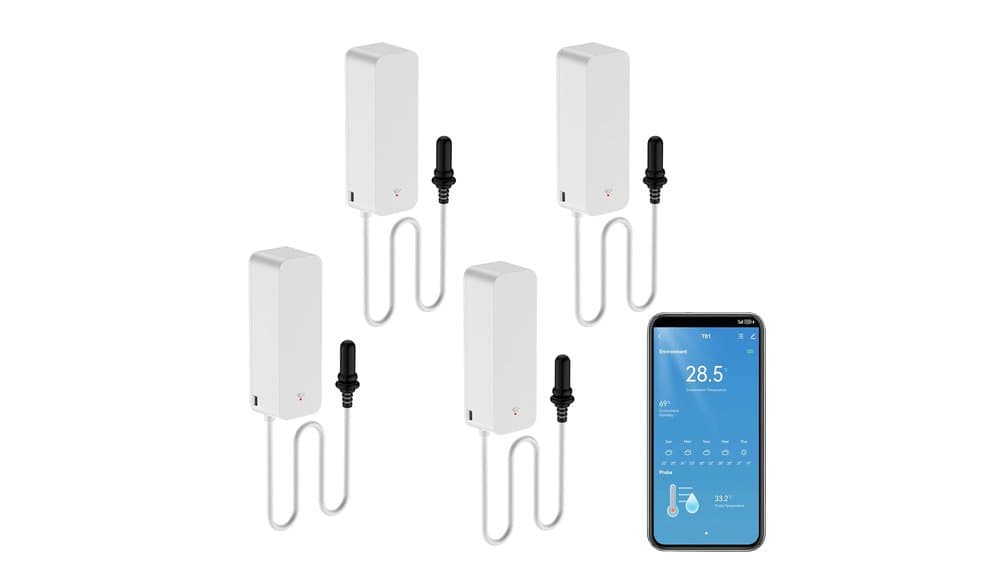
PHOVOLT WiFi Thermometer with Probe Test
For precise sous-vide & charcuterie, a calibrated core temperature probe is essential to ensure perfect results where it matters most.
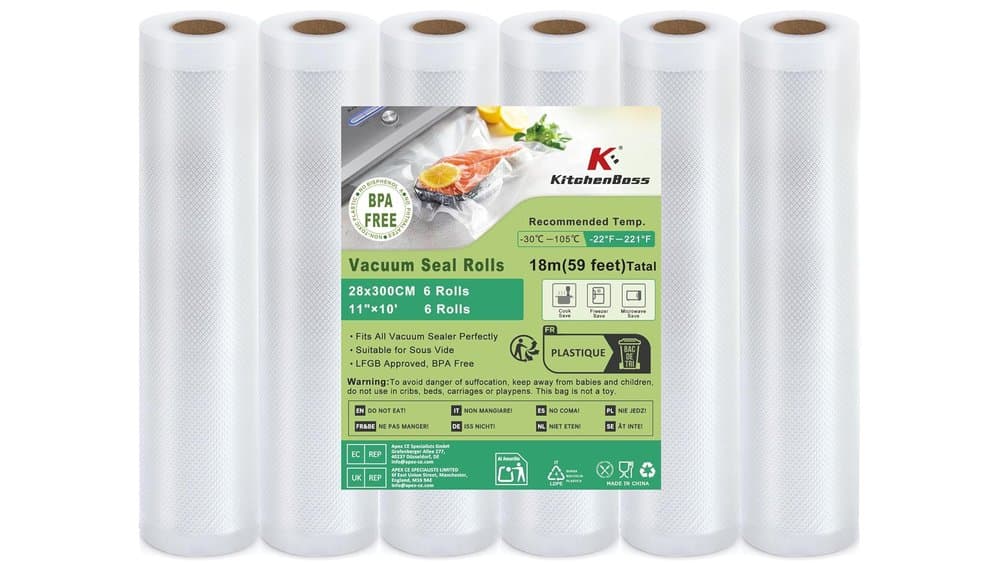
KitchenBoss Food Vacuum Bag Roll Review & Test
KitchenBoss vacuum sealing bags for sous-vide: analyze specs, compare performance, and determine value for precision cooking storage and preparation.
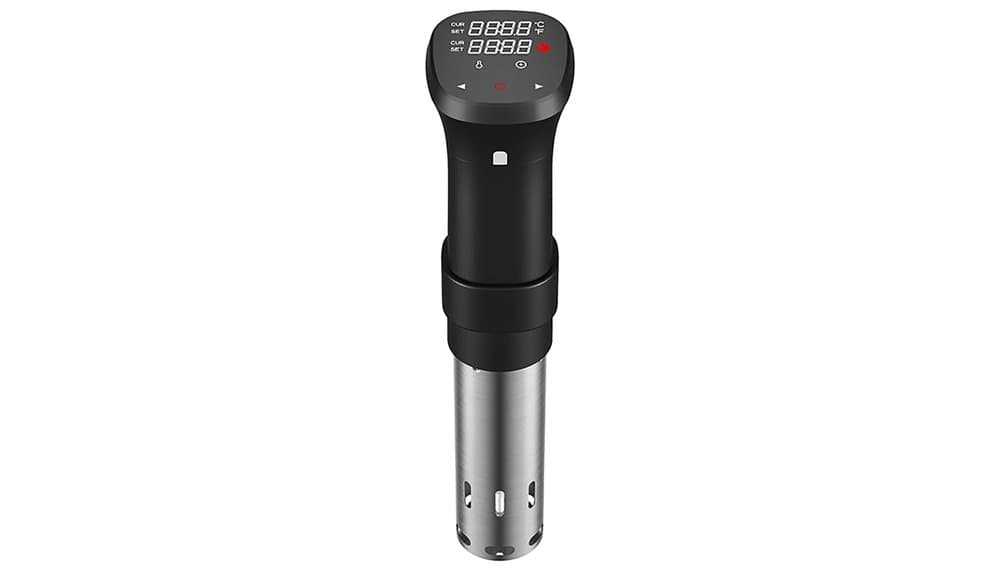
Fityou HU-XI-53 Immersion Circulator Sous Vide Cooker Review
Fityou HU-XI-53 Immersion Circulator review: A high-performing, accessible sous vide cooker with 1100W power, precise 0.1°C accuracy, and a 25-95°C range.
Guides you might like
Bell Jar Vacuum Sealer Buying Guide
Upgrade to a chamber vacuum sealer for professional sous-vide results at home. Perfect for liquids and flawless, long-lasting seals.
Best Beginner Sous Vide Kit
Find the perfect sous-vide starter kit on a budget. Learn the three essential features to look for to cook your first perfect steak without the headache.
Best Vacuum Bags
Choose the right vacuum sealer bags for perfect results. Learn key specs like heat resistance, thickness, and barriers to avoid culinary disasters.