Högert Technik Gas Blowtorch Review & Test
Introduction
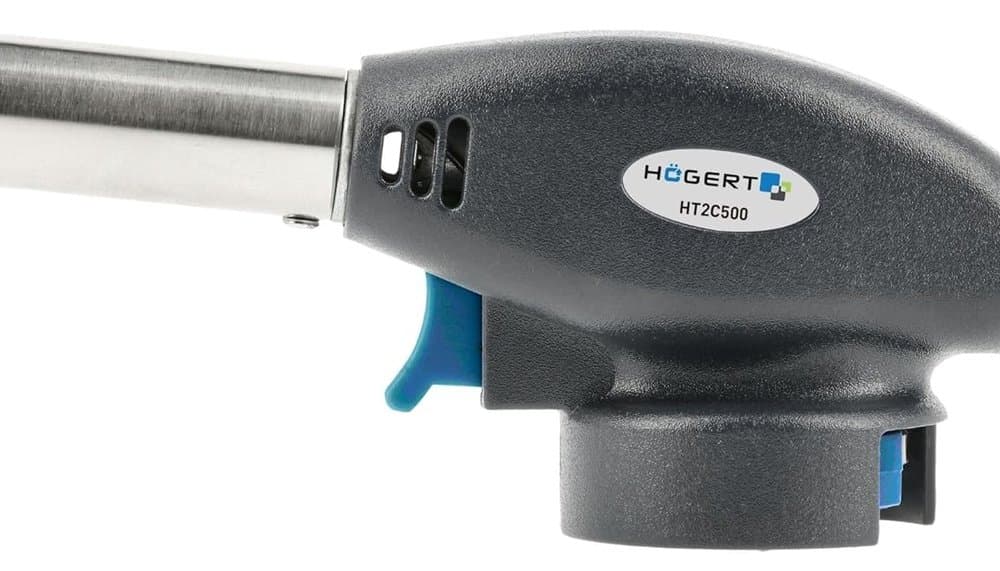
In the arsenal of the precise cook, the gas blowtorch is not a simple gadget. It is the ultimate finishing tool, the one that transforms a perfectly sous-vide cooked piece into a dish with caramelized flavors and a crispy texture. Today, we analyze the Högert Technik Gas blowtorch, a model that promises professionalism and versatility. Is it the ideal tool for the demanding sous-vide cooking enthusiast or the professional chef? We scrutinize its specifications and user experiences to find out.
Strengths
- Extreme flame temperature: With a stated maximum temperature of 1300 °C, it offers a searing and caramelizing power far superior to small kitchen models.
- Versatility and mobility: Its portable design and 360° usability make it an adaptable tool, as effective on a dessert in the kitchen as on a DIY project.
- Convenient piezoelectric ignition: No more need for an extra lighter, the integrated ignition is a major asset for smooth and safe use.
- Precise flame control: The adjustment knob allows for fine control of the flame intensity, a crucial parameter for controlled finishing.
Weaknesses
- Overpowered for beginners: A 1300°C flame is a dangerous tool in inexperienced hands and can char food in an instant if not perfectly controlled.
- Noise and gas consumption: According to feedback, it is significantly louder than dedicated culinary torches and consumes gas more quickly.
- Debatable ergonomics for the kitchen: Its "garage tool" design makes it heavy and less manageable for delicate finishing work compared to torches with a more culinary design.
- Lack of culinary accessories: It does not seem to come with accessories like a diffuser nozzle ("crème brûlée") or splatter guard, which are nevertheless useful in the kitchen.
Detailed Product Analysis for Precision Cooking
Performance and Thermal Control: The Promise of the Infernal Flame
In the realm of precise cooking, control over applied thermal energy is paramount. On paper, the Högert Technik specs announce a power of 1.0 kW and a peak of 1300°C. These figures are impressive, but they must be contextualized. Such a high flame temperature is not directly correlated with increased "precision" in cooking; it is more an indicator of brute power and speed. For searing a beef fillet or caramelizing a sweet topping, this capability allows for quick and efficient work, limiting the propagation of heat into the body of the product. However, it is the adjustment knob that becomes the key element of precision. The user community notes that this knob effectively allows the flame to be varied from a fine brush to a wide, powerful cone. This adjustment range is what can transform a garage tool into a culinary instrument, provided one has a steady hand.
Construction and Design: Between Robustness and Ergonomics
The technical sheet indicates a metal material and a weight of 96 grams. This metal construction gives it undeniable robustness, an asset for intensive and versatile use. However, this analysis must incorporate field feedback: several testers point out that its center of gravity and straight design make it less ergonomic for prolonged culinary work than models specifically designed for the kitchen, which are often better balanced and have a softer trigger. The possibility of 360° use is a real technical plus, especially for reaching difficult surfaces, but its utility in pure cooking remains limited. The grip, although secured by heat-resistant materials, is often described as "unnatural" for delicate tasks like brûléeing a dessert.
Practical Use in Culinary Finishing
For the sous-vide enthusiast, the finishing step is the final and critical one. Here, the Högert Technik presents itself as an alternative to classic culinary torches. Its advantages are clear: instant temperature rise thanks to the piezo ignition, and a dry, hot flame that limits the fuel taste often criticized in small pure butane models. However, its main culinary flaw emerges from testimonials: its overpowering nature. Without perfect technique (constant movement, maintained distance), the risk of charring the surface of the food, rather than perfectly browning it, is real. It also often lacks a wide, diffuse flame nozzle, ideal for even heat distribution over a large surface like a roast. It excels, however, for specific and intense tasks, like achieving a perfect crust on a thick steak.
Versatility: Beyond the Kitchen
It would be reductive to judge this tool only through its culinary prism. Its marketing explicitly targets it for DIY, modeling, and defrosting. This versatility is its true killer argument. The same torch that browns a duck can strip old varnish or solder a plumbing joint. For the hobbyist with a workshop and a kitchen, this duality is an obvious gain in space and money. The reliability of the metal construction makes perfect sense in these harsher contexts. Nevertheless, this versatility comes at a cost in terms of optimization: it is not the best option in every category, but it is a very good average option in all of them.
Technical Specifications
| Characteristic | Detail |
|---|---|
| Brand | Högert Technik |
| Fuel Type | Butane / Butane-propane mix |
| Power | 1.0 kW |
| Max. flame temperature | 1300 °C |
| Ignition | Integrated Piezoelectric |
| Nozzle design | TWIST burner connection |
| Flame adjustment | Rotary knob |
| Use angle | 360° |
| Controls | START/STOP button with integrated valve |
| Weight | 96 grams |
| Main materials | Metal |
What Users and Testers Say
A synthesis of available reviews reveals clear, shared trends.
Recurrent praise concerns its formidable efficiency. Users are unanimous: "it gets the job done, and quickly". The piezo ignition is consistently praised for its reliability. Its solid construction inspires confidence for intensive use, and many appreciate its versatility which justifies its purchase for several domestic uses. For sous-vide enthusiasts who have already mastered small torches, it represents a notable performance leap in terms of searing speed.
Frequent criticisms highlight several points. The noise is often mentioned: it produces a loud rumble, similar to a plumber's blowtorch, which can be surprising in the kitchen. Its appetite for gas is greater than that of compact culinary torches. The most important point of contention concerns its ergonomics in the kitchen: its straight format and weight make it less agile and more tiring to use for delicate finishing work than models designed for this purpose. Finally, several note the absence of accessories like a flame shield, useful for protecting kitchen work surfaces.
Conclusion
The Högert Technik Gas blowtorch is a powerful and robust tool whose place in a kitchen dedicated to precision is conditional. It is not the intuitive and perfectly optimized tool for the sous-vide beginner looking to sear their first steaks. Its overpowering nature and spartan ergonomics can be frustrating.
On the other hand, for the experienced user who seeks an ultra-hot, dry flame capable of handling large surfaces quickly, it becomes a serious option. Its true potential is expressed in a versatile setting. If your culinary need coexists with needs in DIY, workshop, or garden work, then this single torch advantageously replaces several tools.
Ultimately, it is a professional blowtorch at the gates of the kitchen. It demands respect, technique, and a steady hand. For those who know how to tame it, it offers fast and impeccable finishing. For others, specialized kitchen torches, less powerful but easier and safer to handle, likely remain a wiser choice. Your decision boils down to this: do you prioritize versatility and brute power, or ergonomics and culinary specialization?
100% free and independent — All our articles are written independently, without any sponsorship. We may earn a commission on purchases made through our links, at no extra cost to you.
Articles you might like
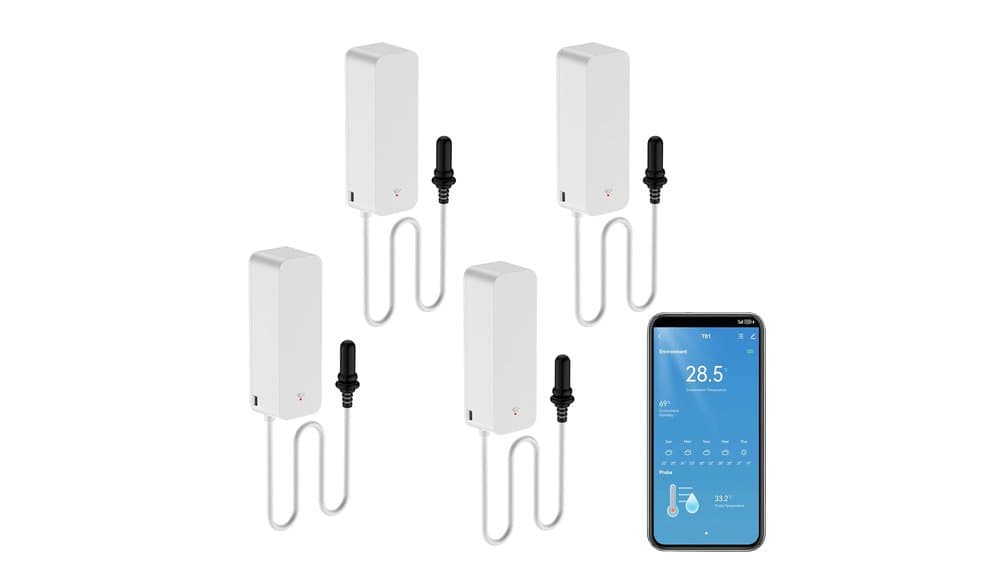
PHOVOLT WiFi Thermometer with Probe Test
For precise sous-vide & charcuterie, a calibrated core temperature probe is essential to ensure perfect results where it matters most.
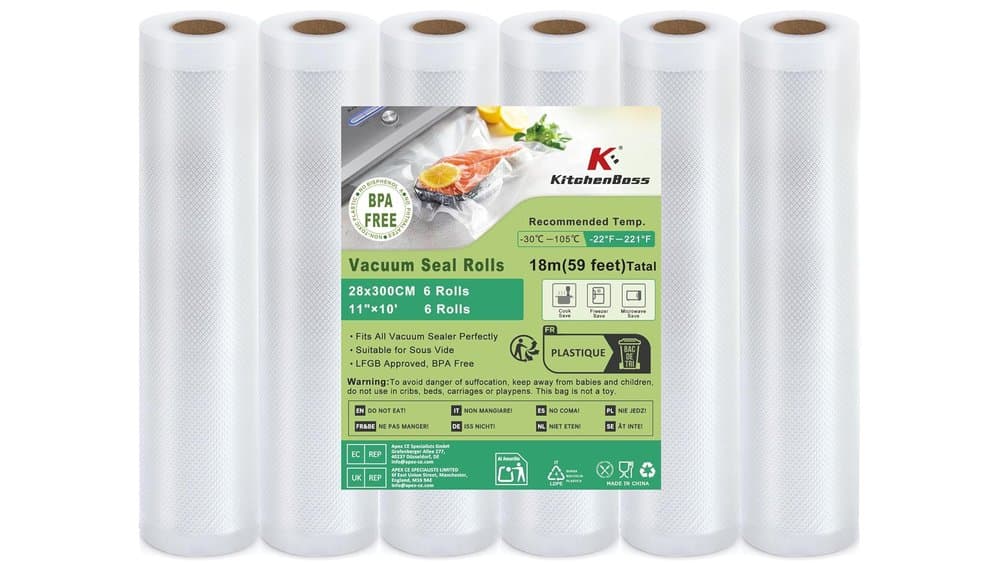
KitchenBoss Food Vacuum Bag Roll Review & Test
KitchenBoss vacuum sealing bags for sous-vide: analyze specs, compare performance, and determine value for precision cooking storage and preparation.
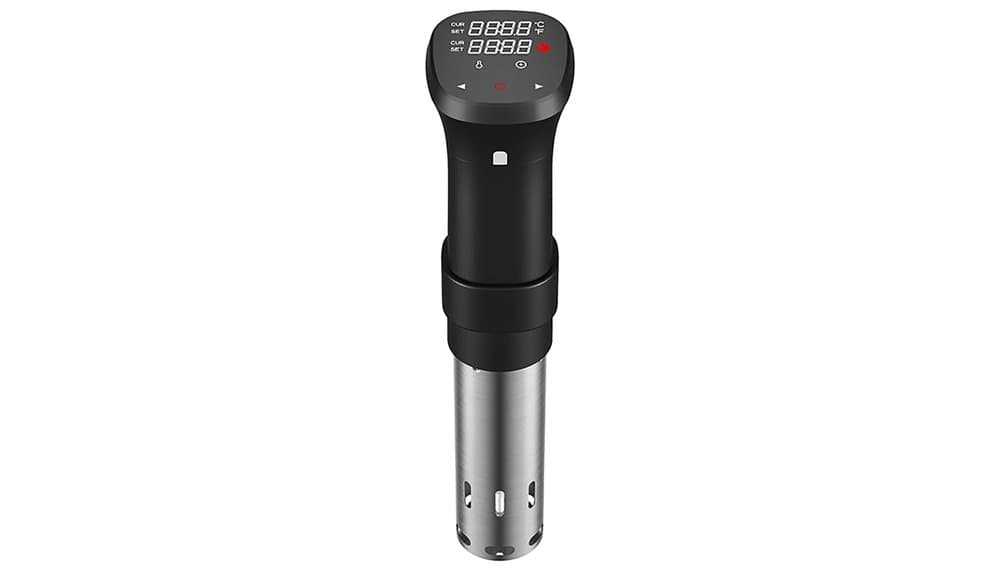
Fityou HU-XI-53 Immersion Circulator Sous Vide Cooker Review
Fityou HU-XI-53 Immersion Circulator review: A high-performing, accessible sous vide cooker with 1100W power, precise 0.1°C accuracy, and a 25-95°C range.
Guides you might like
Bell Jar Vacuum Sealer Buying Guide
Upgrade to a chamber vacuum sealer for professional sous-vide results at home. Perfect for liquids and flawless, long-lasting seals.
Best Beginner Sous Vide Kit
Find the perfect sous-vide starter kit on a budget. Learn the three essential features to look for to cook your first perfect steak without the headache.
Best Vacuum Bags
Choose the right vacuum sealer bags for perfect results. Learn key specs like heat resistance, thickness, and barriers to avoid culinary disasters.