PHOVOLT WiFi Thermometer with Probe Test
Introduction
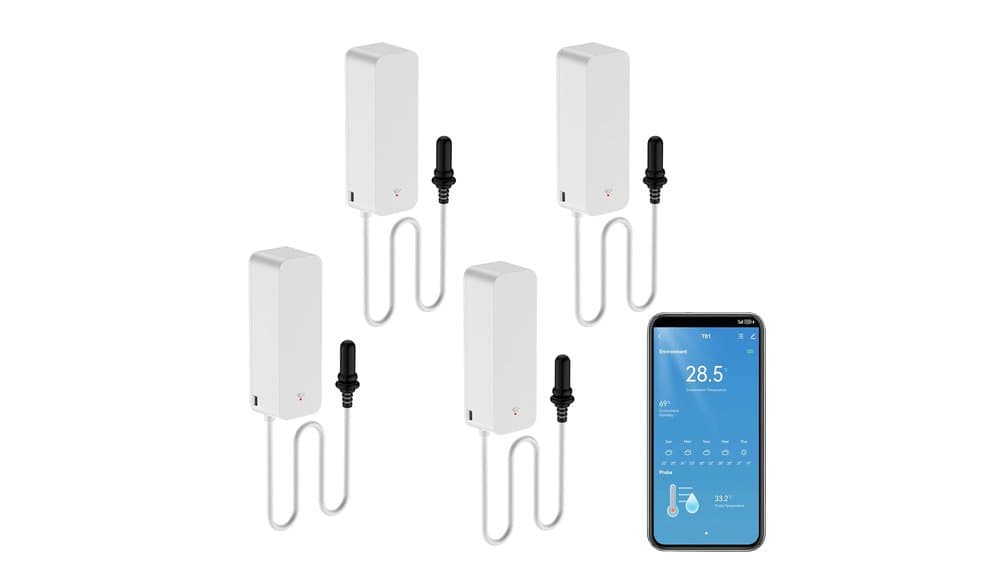
In the realm of precision cooking, temperature control is not a luxury, it's a necessity. Whether you are a perfectionist sous-vide enthusiast or a passionate home charcuterie maker, the difference between success and failure often comes down to half a degree. While modern immersion circulators integrate their own probe, their measurement point is fixed and may not reflect the exact temperature at the core of your product, especially in large containers. This is where a connected thermometer with an external probe finds its full relevance. The PHOVOLT Smart Thermometer WiFi Temperature Sensor with External Probe presents itself as an independent guardian, promising real-time remote monitoring of any environment. But how does it perform against the rigorous demands of long, precise cooking? We dissect its specifications and community feedback to give you a clear analysis of its real potential in the kitchen.
Key Strengths
- Advertised Accuracy and Remote Monitoring: The key specification for us is an accuracy of ±0.5°C over the ambient temperature range. Combined with WiFi connectivity and app alerts, it offers passive and worry-free monitoring during long cooks, freeing the user from constant manual checks.
- Flexibility of the External Probe: The separate wired probe is a major asset. It allows placing the main device body outside an oven, a cold chamber, or away from the steam of a water bath, while accurately measuring the temperature at the critical point, for example at the center of a large piece of meat or in a reducing sauce.
- Integration with the Smart Home Ecosystem: Compatibility with Smart Life and Tuya opens the door to automated scenarios. Imagine a fan turning on if the temperature in your curing chamber rises too high, or an immediate notification if your sous-vide bath temperature deviates from the set point.
- Multi-Pack Design: Being sold in a pack of four makes it an interesting tool for enthusiasts or small professionals who need to monitor multiple points simultaneously (multiple baths, a smoker at different heights, a fermentation chamber and a fridge).
Weaknesses
- Limited Temperature Range for High-Temperature Sous-Vide: The probe's maximum measurement range is 50°C. This is a prohibitive limitation for a large part of sous-vide cooking, where vegetable cooks, certain meats or fish regularly exceed 60°C, and where sterilization can approach 85-90°C. This device is confined to low-temperature cooking (typically for red meats) and fridge/chamber monitoring.
- Dependence on the App and Network: All the intelligence is in the app. Without WiFi or in case of an app bug, the device loses its primary added value. No local display allows for instant reading on the main device.
- Durability of the Probe During Prolonged Immersion: User reviews raise questions about the long-term robustness of the external probe, particularly its resistance to moisture and continuous immersion in a water bath for 24 to 48 hours. The build is not explicitly designed for permanent full immersion.
- App Latency and Stability: As with many affordable IoT devices, the smoothness and reliability of the app are not always up to par according to feedback, with occasional disconnections or delays in notifications.
Detailed Analysis for Precision Cooking
Accuracy and Stability: The Core Issue
On paper, the specs advertise an accuracy of ±0.5°C. This is an excellent value, comparable to many mid-range dedicated probes. For low-temperature sous-vide cooking (e.g., a steak at 55°C or foie gras at 62°C), this accuracy is perfectly sufficient. What interests us here is long-term stability. Testers who used it to monitor fridges or chambers report good measurement consistency. However, in a cooking environment where the probe could be subjected to heat and humidity cycles, potential drift is not documented by the manufacturer. The community notes that for food use, occasional calibration against a reference thermometer is a wise precaution.
WiFi Connectivity and App: The Brain, But Is It Reliable?
The promise of monitoring your water bath temperature from your couch or your phone at work is enticing. Integration with the Smart Life and Tuya ecosystems is a real plus, as these platforms are widespread and allow for creative automation. You could, for example, make a connected light bulb blink if a temperature alarm is triggered. Users confirm that setup is generally simple. The recurring point of attention concerns connection stability. Some reports mention random disconnections requiring a reboot, which is problematic during a 24-hour cook. Connection quality will also heavily depend on the strength of your WiFi network at the device's location.
Build and Design: Suited for Culinary Constraints?
The main housing is designed for a table or shelf. Its clamp design (fastening mechanism) is not described as robust or suitable for mounting on a hot or slippery container. This is an important detail in a kitchen where space is limited. The external probe is the point of contact with the environment being measured. Its cable length is not specified in the official specs, which is an omission. Above all, its resistance to water and heat is the great unknown. It is not presented as a fully waterproof food-grade probe designed for prolonged immersion. For sous-vide use, you will most likely need to run it through the container lid using a cable gland, without fully submerging it, to preserve its lifespan.
Performance on Long Cooks (24h+): The Ultimate Test
This is the criterion that separates gadgets from serious tools. Does the PHOVOLT Smart Thermometer have the necessary endurance? Its battery-powered design (no power cable) is a double-edged sword. It makes it mobile, but requires monitoring battery life. For continuous monitoring over several days, this is a parameter to keep in mind. The reliability of alerts throughout the duration is crucial. If the app goes to sleep or if a push notification fails, the tool loses all its usefulness. Feedback from users who have employed it for multi-day monitoring (outside cooking) is generally positive regarding battery life, but again emphasizes the importance of a stable WiFi network.
Technical Specifications
| Feature | PHOVOLT Smart Thermometer Specification |
|---|---|
| Type | WiFi Connected Thermometer/Hygrometer with External Probe |
| Temperature Accuracy | ±0.5°C (according to spec sheets) |
| Temperature Measurement Range | Not explicitly specified, but the "Upper Temperature Rating" is 50°C |
| Probe | External wired probe (length not specified) |
| Connectivity | WiFi 2.4 GHz, compatible with Smart Life and Tuya apps |
| Voice Integration | Amazon Alexa, Google Assistant (via the apps) |
| Power Supply | Batteries (included, type not specified) |
| Additional Functions | Humidity monitoring, local weather display, customizable alerts, automated scenes |
| Configuration | Pack of 4 units |
What Users and the Community Say
A synthesis of customer feedback and online discussions reveals clear trends.
Recurring Positive Points:
- Perceived value for money is excellent, especially due to the 4-unit pack.
- Accuracy is considered very satisfactory for domestic uses like monitoring a fridge, freezer, wine cellar, or room.
- Setup via the Smart Life app is simple and quick for the majority of users.
- The alert function is appreciated, offering peace of mind, especially to warn of unexpected temperature rises.
- The ability to monitor multiple locations simultaneously with a single interface is a major asset.
Negative Points and Criticisms:
- The 50°C limitation is frequently noted as a major flaw for those considering using it for general cooking or sous-vide beyond low temperatures.
- Intermittent WiFi connection problems are reported by a significant minority of users, resulting in "devices offline" in the app.
- The build quality of the external probe is questioned regarding its long-term durability. It appears fragile to some.
- The app can be buggy depending on the version: delays in data display, unclear graph history, or occasional missed notifications.
- The lack of a display on the device for immediate local reading is seen as a drawback by some purists who do not want to depend on their smartphone.
Conclusion
The PHOVOLT Smart Thermometer WiFi Temperature Sensor with External Probe is a clever and economically interesting tool, but with a well-defined and somewhat limited scope in the world of precision cooking.
For strictly low-temperature sous-vide (primarily red meats), and provided the probe is not fully immersed, it can serve as a useful connected sentinel to monitor water bath stability and receive alerts in case of drift. Its multi-pack is an advantage for those managing multiple cooks or environments in parallel.
However, its maximum range of 50°C automatically disqualifies it for a large part of sous-vide applications (poultry, vegetables, eggs, sterilization) and for precise pastry work. Its absolute dependence on a sometimes capricious app and a stable WiFi network makes it a tool whose reliability is not 100% guaranteed for critical, very long-duration cooks.
Our verdict: It is an interesting solution for the curious beginner who only practices low-temperature sous-vide and wants to add a level of monitoring and automation at a low cost. On the other hand, the experienced enthusiast or professional seeking professional-grade accuracy, all-weather robustness, and an extended temperature range will need to turn to dedicated connected probes for food use, specifically designed for prolonged immersion and high temperatures. The PHOVOLT finds its best place as a guardian for your wine cellar, your curing fridge, or your fermentation space, rather than as the primary thermometer for your water bath across all your culinary adventures.
100% free and independent — All our articles are written independently, without any sponsorship. We may earn a commission on purchases made through our links, at no extra cost to you.
Articles you might like
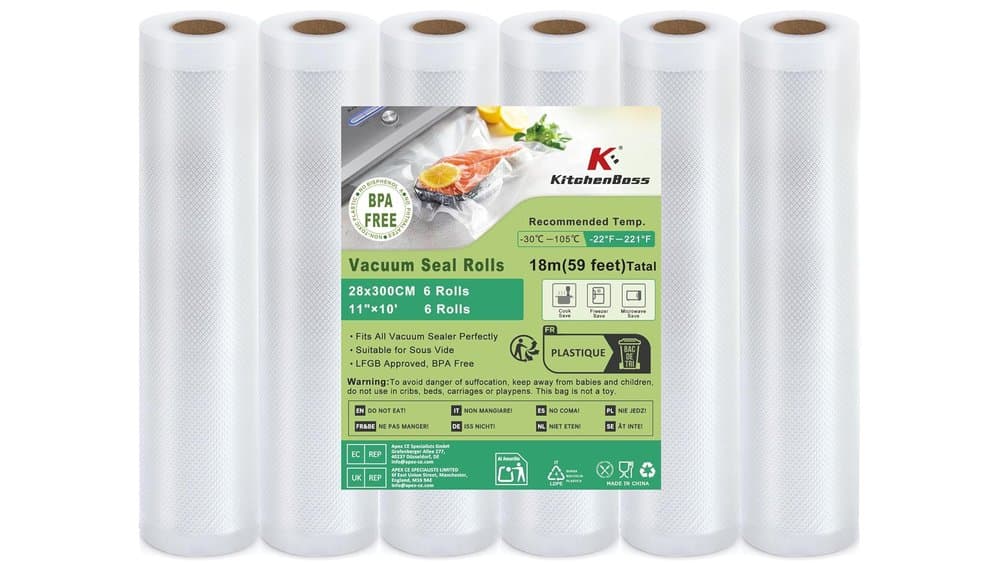
KitchenBoss Food Vacuum Bag Roll Review & Test
KitchenBoss vacuum sealing bags for sous-vide: analyze specs, compare performance, and determine value for precision cooking storage and preparation.
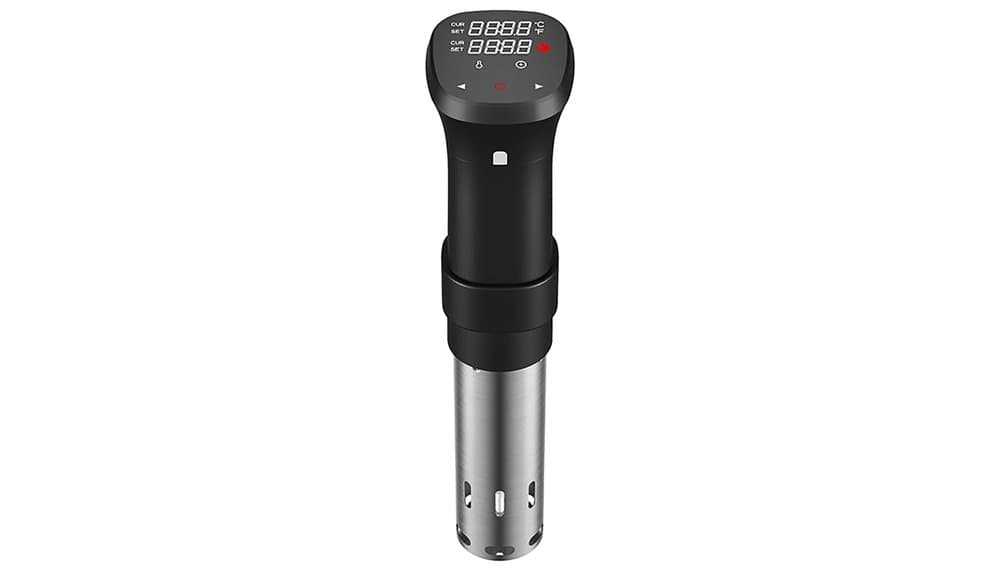
Fityou HU-XI-53 Immersion Circulator Sous Vide Cooker Review
Fityou HU-XI-53 Immersion Circulator review: A high-performing, accessible sous vide cooker with 1100W power, precise 0.1°C accuracy, and a 25-95°C range.
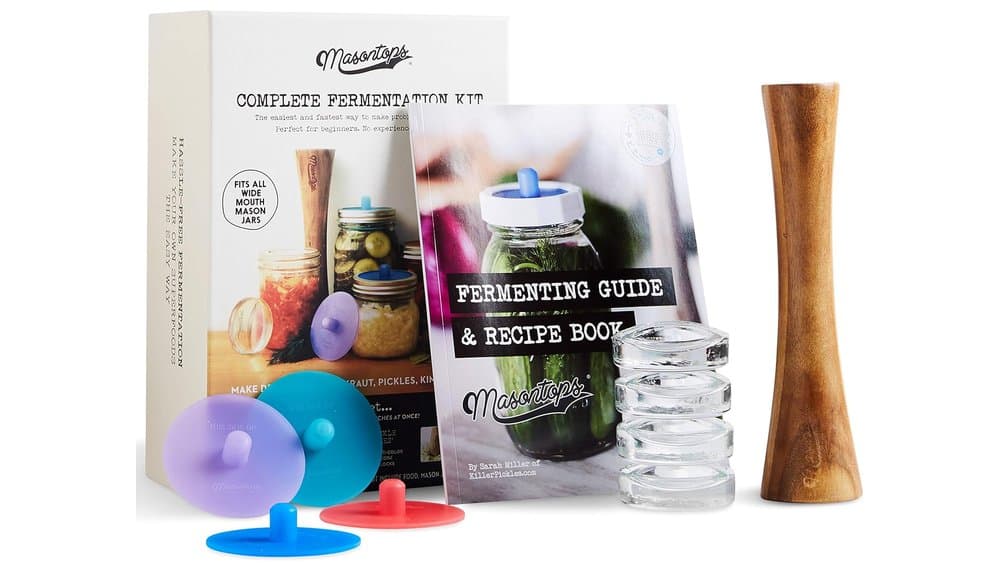
Masontops Complete Fermentation Jar Kit Review & Test
Review: Masontops Kit transforms Mason jars into precise fermentation tools for mastering the microbial environment.
Guides you might like
Bell Jar Vacuum Sealer Buying Guide
Upgrade to a chamber vacuum sealer for professional sous-vide results at home. Perfect for liquids and flawless, long-lasting seals.
Best Beginner Sous Vide Kit
Find the perfect sous-vide starter kit on a budget. Learn the three essential features to look for to cook your first perfect steak without the headache.
Best Vacuum Bags
Choose the right vacuum sealer bags for perfect results. Learn key specs like heat resistance, thickness, and barriers to avoid culinary disasters.