Sous Vide Cooking Book: The Comprehensive Low-Temp Guide
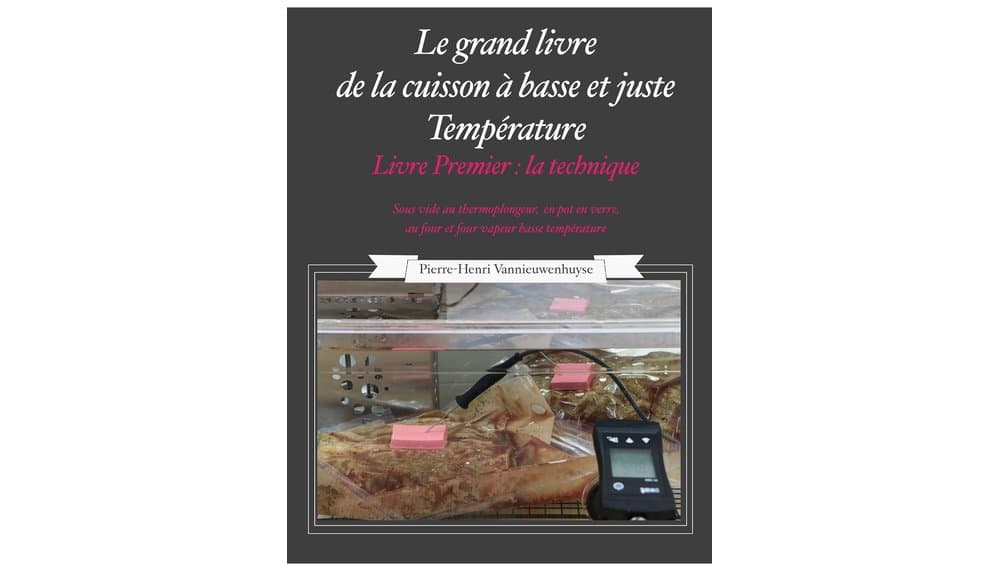
Introduction: A Technical Manual to Master the Science of Sous Vide
In the universe of precision cooking, technique is king. Having a powerful circulator and a reliable vacuum sealer is only part of the equation. The other, equally crucial part, is the theoretical and practical knowledge to use them fully, safely, and creatively. It is precisely in this role as an indispensable foundation that Le Grand Livre de la Cuisson à Basse et Juste Température Sous Vide - Livre Premier fits.
What we are analyzing here is not an appliance, but an intellectual tool designed to optimize the use of your equipment. Based on community feedback and expert analysis, this work positions itself as the reference manual for understanding the science behind low-temperature cooking. We will dissect it from the angle of our expertise: what theoretical precision does it offer? How does it approach stability for long cooks and food safety? Is it suitable for a beginner arriving with their first circulator, or is it too technical for them? This is what we will explore.
Strengths and Weaknesses: A Frank Summary
Before diving into the details, here is what clearly emerges from the feedback.
Strengths
- Professional and exhaustive approach: Written by a chef, the work is praised for its rigor and its ability to cover all the fundamentals, and even beyond.
- Beyond sous vide: This is not just a book about vacuum bags and water baths. It also covers low-temperature oven cooking and jar pasteurization, significantly broadening the field of possibilities.
- Pedagogy focused on understanding: It explains the "why" and "how" of processes (what happens inside the food, the purpose of probes), allowing the reader to gain true autonomy, not just to follow recipes.
- Complementarity with the second tome: The two-volume structure (theory here, recipes in the Second Book) is seen as a major asset for logical and in-depth progression.
Weaknesses
- Requires a genuine interest in technique: Readers looking only for quick recipes might be disappointed, as this first tome is fundamentally theoretical and technical.
- Content perceived as "basic" by some: A minority of experienced users feels the information presented is already widely available online.
- Digital format with access delay: When purchased directly from the author, the download link is not sent automatically and can take up to 48 hours, which is a constraint for those in a hurry.
Detailed Analysis: An Investment in Knowledge
For the Beginner: Laying a Solid Foundation
For someone who just acquired their first circulator, this book answers the essential questions that appliance manuals or blogs do not always cover in depth. According to user feedback, it plays the role of a trainer. It addresses food safety in detail, an absolutely critical point, especially for long cooks (+4h) where the risk of bacterial development must be perfectly controlled. It also guides the choice of equipment (not just circulators, but also vacuum sealers, probes, types of ovens), helping to make informed purchases.
The approach that goes beyond the strict framework of sous vide is also a major asset. A beginner thus discovers that the philosophy of precision temperature cooking can be applied with other tools, like a well-controlled oven, which can represent a more accessible entry point or a way to diversify their practices.
For the Expert: Deepening and Structuring Knowledge
Will the experienced cook find value in it? The answer is yes, according to many opinions. Even if some basics are known, the added value lies in the complete structure and professional angle. The author, as a chef, brings a practical perspective on aspects like flavor optimization, textures, and managing different proteins. The section on jar pasteurization (semi-preserves) also opens up perspectives for advance preparation and preservation that can interest more advanced cooks.
It is a work that allows one to consolidate and formalize knowledge often acquired in a scattered way. It acts as a reference to consult for checking a pasteurization time, understanding the impact of a precise temperature on collagen, or exploring alternative methods.
The Crucial Importance of the Two-Book Duo
One point is consistently emphasized by the community: purchasing Book One is closely linked to Book Two. The first establishes the theoretical, technical, and safety framework. The second provides practical application with a large number of recipes and, most importantly, detailed cooking tables. Separating them would be, to use a technical analogy, like having a high-precision circulator without any time or temperature indications. Their complementarity is described as the key to total mastery.
Technical Specifications of the Work
| Characteristic | Details and Analysis |
|---|---|
| Format and Support | Available in Kindle format and other digital formats (PDF, ePub). Allows consultation on tablet, e-reader, or computer, practical for the kitchen. |
| Volume and Structure | First tome of a two-part series. Approximately 200 pages focused on theory, techniques, and fundamentals. |
| Main Content | Fundamentals of low-temperature cooking. Food safety and pasteurization. Techniques: Sous vide, oven, glass jars. Analysis of processes within food. Equipment guide (pro and amateur). Basic recipes (marinades, rubs). |
| Target Audience | Motivated beginners and knowledgeable amateur cooks or professionals seeking a structured reference. |
| Prerequisites | None in terms of knowledge, but genuine curiosity for the technical aspects of cooking is necessary. |
| Technical Strengths | Multi-technique approach (sous vide, oven, jars). Intense focus on safety and scientific understanding. Mandatory complementarity with the recipe tome. |
| Points of Caution | May seem too theoretical without the second tome. Digital access sometimes subject to a manual delay depending on the point of purchase. |
What Users and Experts Say
The synthesis of customer reviews and the web context paints a very consistent picture of the work.
The majority of feedback is extremely positive, with an overall rating of 4.4/5 stars. Readers praise its richness, precision, and indispensable nature. Phrases like "very comprehensive," "accessible while remaining very professional," and "opens new culinary horizons" frequently recur. The emphasis on safety is particularly appreciated, as it reassures and builds confidence for undertaking long cooks. The fact that the author is a retired professional chef gives it strong technical credibility, perceived as a guarantee of quality and reliability of information.
The main point of friction, present in the less enthusiastic reviews, concerns perceived usefulness. A small number of users, likely already very seasoned, consider the content "basic" and available elsewhere. This underscores that this book is primarily a pedagogical compendium: its immense value is in gathering, organizing, and clearly explaining everything in one place. For someone who has already spent hundreds of hours on specialized forums, the benefit may be limited. For everyone else, it is an invaluable time-saver and a source of structured knowledge.
On the side of expert analyses and forums, the tone is similar. The work is presented as a reference, "imagined and written by a passionate professional chef." Emphasis is placed on it being designed for both beginners and seasoned cooks, and that the complementarity of the two tomes is a strong and successful editorial choice. Availability in multiple digital formats is seen as a practical asset.
Conclusion: The Ideal Foundational Manual for a Serene and Mastered Practice
Le Grand Livre de la Cuisson à Basse et Juste Température Sous Vide - Livre Premier is not just another book on sous vide. It is the theoretical instruction manual that every piece of precision cooking equipment deserves to have.
Our analysis confirms that it perfectly fulfills its role: transforming the user of an appliance into a true practitioner of controlled-temperature cooking. By focusing on understanding processes, food safety (a non-negotiable point), and broadening the range of techniques (sous vide, oven, jars), it offers a knowledge base much broader and more solid than most available resources.
We recommend it without reservation to any serious beginner, who will find the foundations to progress quickly and with confidence. We also recommend it to the experienced enthusiast who wants to structure and complete their knowledge, particularly on aspects of pasteurization and alternative cooking. The only imperative condition, and it is emphasized by the entire community, is to consider it as the first half of a whole: its association with Book Two (applications and recipes) is what makes it a truly complete and transformative investment for your precision cooking practice.
100% free and independent — All our articles are written independently, without any sponsorship. We may earn a commission on purchases made through our links, at no extra cost to you.
Articles you might like
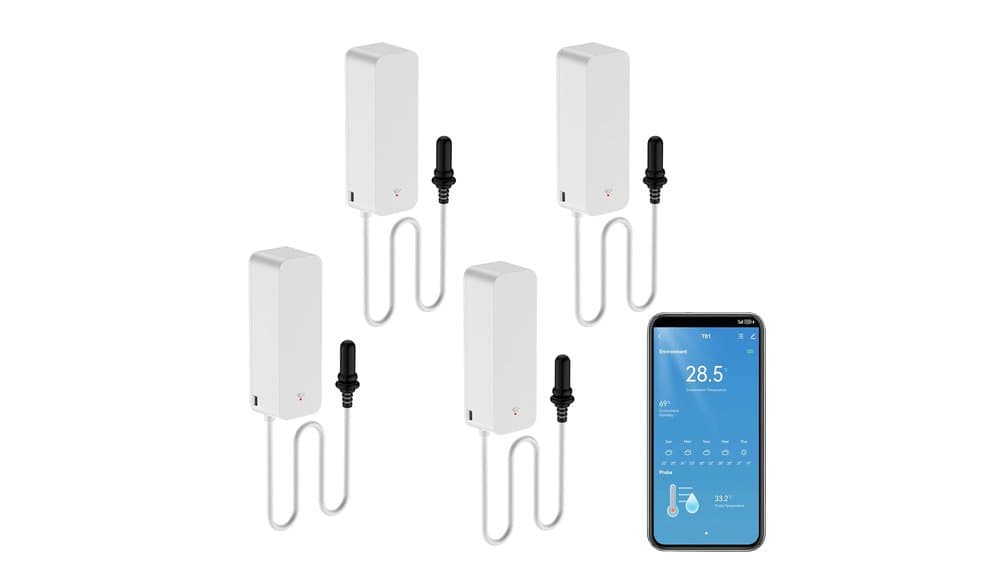
PHOVOLT WiFi Thermometer with Probe Test
For precise sous-vide & charcuterie, a calibrated core temperature probe is essential to ensure perfect results where it matters most.
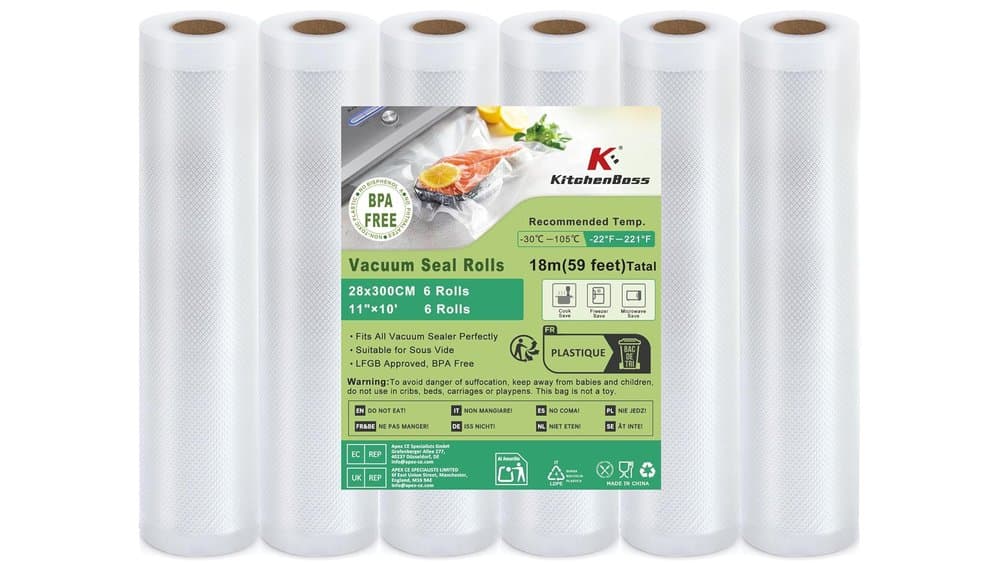
KitchenBoss Food Vacuum Bag Roll Review & Test
KitchenBoss vacuum sealing bags for sous-vide: analyze specs, compare performance, and determine value for precision cooking storage and preparation.
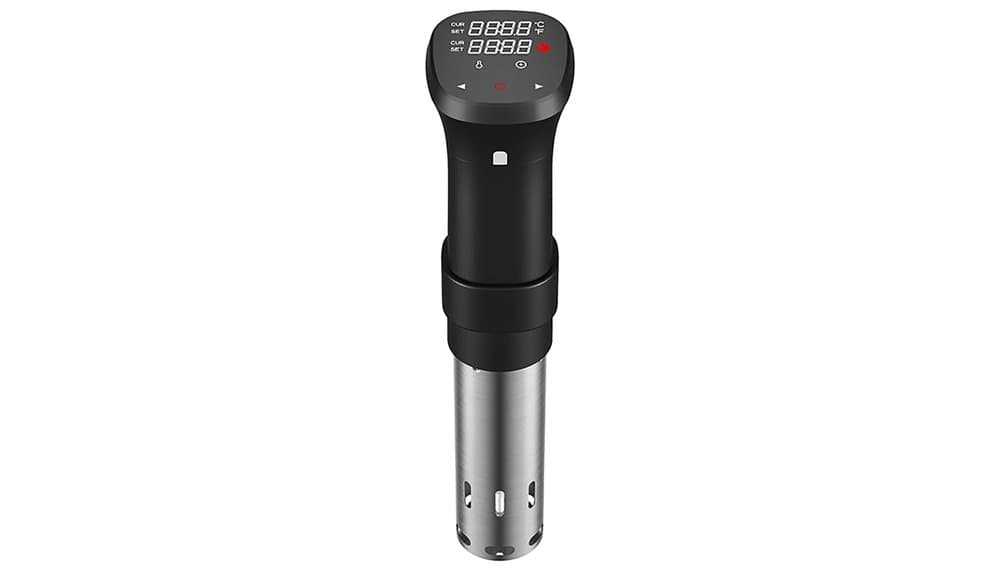
Fityou HU-XI-53 Immersion Circulator Sous Vide Cooker Review
Fityou HU-XI-53 Immersion Circulator review: A high-performing, accessible sous vide cooker with 1100W power, precise 0.1°C accuracy, and a 25-95°C range.
Guides you might like
Bell Jar Vacuum Sealer Buying Guide
Upgrade to a chamber vacuum sealer for professional sous-vide results at home. Perfect for liquids and flawless, long-lasting seals.
Best Beginner Sous Vide Kit
Find the perfect sous-vide starter kit on a budget. Learn the three essential features to look for to cook your first perfect steak without the headache.
Best Vacuum Bags
Choose the right vacuum sealer bags for perfect results. Learn key specs like heat resistance, thickness, and barriers to avoid culinary disasters.