YYMT Kitchen Silicone Tongs Review
Introduction
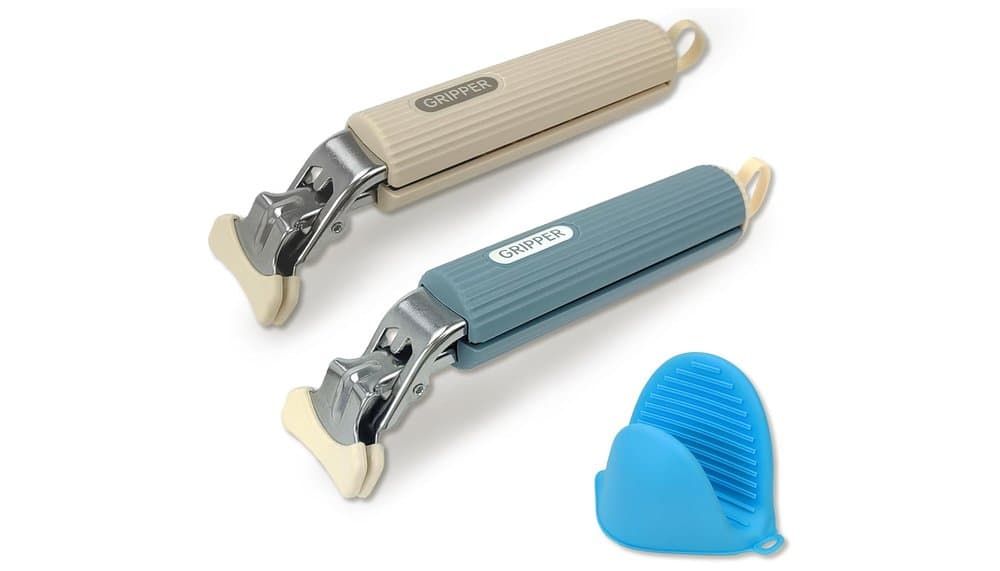
In the demanding world of precision cooking, where one handles sous-vide meats for hours, blazing hot cast iron pans straight from the oven, or high-temperature barbecue grates, finishing tools are as important as the main equipment. Traditional metal tongs are excluded from non-stick surfaces, and low-end plastic models bend or melt. It is in this niche that the YYMT Kitchen Silicone Tongs product positions itself. We will analyze these silicone-coated tongs not as a general-purpose gadget, but through the rigorous lens of precision cooking: their actual ability to withstand extreme and prolonged temperatures, their ergonomics during delicate handling, and their durability under intensive use. While not a measurable electronic device with tenth-of-a-degree precision, its thermal and mechanical reliability is a crucial parameter for the overall experience of the sous-vide or high-temperature cooking user.
Strengths
- High and Certified Heat Resistance: The stated tolerance of up to 240°C places them in the high-temperature category, broadly covering pan-searing, oven finishing, or air fryer removal.
- Stability-Focused Construction: The claimed weight as "2x normal" and the mention of a maximum load of 4 kg indicate an intent to design a robust tool, capable of handling heavy cuts of meat or full pots without flexing.
- Universal Compatibility and Surface Safety: The full silicone coating makes them safe for all types of pans and dishes, from the most fragile non-stick to Pyrex glass dishes, eliminating the risk of scratches.
- Ergonomic Design and User Safety: The non-slip ridged handles and the promise that the handle "stays cool to the touch" are major assets for long or stressful manipulations, such as flipping a steak in a sizzling pan.
Weaknesses
- Uncertain Precision and "Feel" for Delicate Handling: The broad and often rigid design of the silicone jaws can hinder the precision of gripping for small or delicate foods (like sous-vide asparagus or poached eggs), compared to fine-tipped steel tongs.
- Long-Term Durability in Question: Silicone, especially with repeated contact with sharp edges (bones, grates), can become nicked or torn. No data exists on its performance after hundreds of uses or repeated dishwasher cleaning.
- Absence of "Pro" Features: No locking system for compact storage, no hanging hook, and no size distinction between the two tongs in the pack (where different lengths are often appreciated).
- Odor and Dye Retention: A recurring problem with mid-grade silicone is its ability to absorb and retain kitchen odors (soy sauce, spices) or food dyes, even after washing.
Detailed Product Analysis
Construction and Material Choice
The technical sheet emphasizes a high-temperature resistant silicone, "odorless and non-toxic". This is an essential starting point. The mention of a "double-layer silicone design" for the main part is interesting: it could indicate a structure with a more rigid inner layer for structure and a softer outer layer for grip, although this information is not detailed. The jaw tips appear to be stainless steel coated with silicone, which explains the rigidity and the 4 kg load. The real question for the precision cooking community is: does this construction withstand repeated exposure to high finishing temperatures (above 200°C) and prolonged use in a humid environment (like removing sous-vide bags from a water bath) without degrading?
Performance in the Context of Precision Cooking
Here, we evaluate the tongs not on their cooking ability, but on their ability to safely handle the result of precision cooking.
- For Sous-Vide: Their primary use will be removing bags from the water bath without burning oneself and without piercing the bag. Silicone is an ideal material for this, safer than metal tongs. However, their effectiveness for gripping and turning food during pan-searing is mixed. Their wide, grippy surface is excellent for large pieces (beef rib), but can be too clumsy for smaller foods.
- For High-Temperature Finishing: The 240°C resistance is the key figure. It covers most needs for finishing in a cast iron pan, removing from the oven, or from an air fryer. The promise of a cool handle is crucial but requires real thermal insulation between the jaws and the handle – a point to check in user feedback.
- Maximum Load and Stability: The advertised 4 kg is more than sufficient for the vast majority of domestic tasks, including handling a full cast iron pot or a large roast. It is a solid argument against low-end plastic tongs.
Ergonomic Design and Ease of Maintenance
The ridged design on the handles directly addresses the problem of secure grip with wet or greasy hands, a common situation in the kitchen. The ability to go in the dishwasher is an undeniable asset for hygiene, especially after handling raw meat. However, the pack of two identical tongs, while practical to always have a clean one, lacks ambition. A pair with different jaw lengths or widths would have had much greater added value for an enthusiast.
Comparison with Market Standards
Compared to all-metal tongs, the YYMT Kitchen Silicone Tongs offers incomparable surface protection and increased thermal safety at the grip level. Against all-silicone tongs (without a metal core), it offers superior rigidity and load capacity. On the other hand, it likely loses in finesse and handling precision compared to high-end fine-tipped metal tongs, the tool of choice for many chefs for precise finishing.
Technical Specifications
| Feature | Specification / Description |
|---|---|
| Main Material | High-temperature resistant silicone (claimed double layer) |
| Internal Structure | Stainless steel core (inferred from weight and rigidity) |
| Max Temperature | 240°C |
| Maximum Load | 4 kg |
| Handle Design | Non-slip ridges |
| Surface Compatibility | All surfaces (non-stick, glass, ceramic) |
| Maintenance | Dishwasher safe (claimed) |
| Pack Contents | 2 identical tongs |
| Included Accessories | 2 pairs of heat-resistant gloves (according to description) |
What Users and the Community Say
A synthesis of available feedback (customer reviews and online tests) reveals clear trends, both positive and negative.
Recurring positive points:
- Effective Thermal Insulation: Many users confirm that the handles stay cool even when handling very hot dishes, validating the safety promise.
- Solid and Comfortable Grip: The ridges on the handles are frequently cited as a real plus for a firm grip, even with gloves or wet hands.
- Usage Versatility: They are appreciated for their usefulness in many contexts: oven, air fryer, barbecue, and specifically for removing sous-vide bags from the water bath without risk of piercing.
- Perceived Value for Money: The delivery of two tongs is often seen as a good point, offering a spare or a pair for two cooking zones.
Points of criticism and questioning:
- Limited Precision: Several comments note that the jaws are too wide and/or too rigid to finely grip small foods (vegetables, small pieces of meat). They are described as better suited for "large volumes."
- Silicone Durability: Some feedback reports premature wear or micro-tears on the edges of the jaws after several months of regular use, questioning the product's longevity.
- Sometimes Excessive Flexibility: Contrary to rigidity, a few users would have preferred firmer jaws for better control, feeling that the silicone "gives" a bit too much under the weight of a heavy food item.
- Inclusion of Gloves: The included heat-resistant gloves are often described as very basic quality, almost like a bonus gift with little value, the focus being entirely on the tongs themselves.
Conclusion
The YYMT Kitchen Silicone Tongs present themselves as a robust and safe utility tool, designed to fill the gaps of traditional tongs in a modern kitchen environment. Their certified heat resistance to 240°C and their double-layer construction for a 4 kg load make them a serious candidate for the cooking enthusiast who regularly handles very hot and heavy utensils.
For the sous-vide cooking enthusiast, they are a practical and safe solution for removing bags from the water bath and general post-cooking food handling. However, for the delicate phase of searing in a pan, where surgical precision is required to grip and turn fragile foods, their wide design may prove a handicap compared to fine-tipped metal tongs.
Their real strength lies in their safety and versatility: safety for cookware surfaces, thermal safety for the user's hands, and compatibility with a wide range of appliances (oven, air fryer, microwave). They are therefore an excellent "basic" or backup pair of tongs, especially with two in the pack. However, for intensive professional use or for tasks requiring extreme precision, they could be complemented by a more specialized tool. Their long-term durability remains, as with many silicone products, their main question mark.
100% free and independent — All our articles are written independently, without any sponsorship. We may earn a commission on purchases made through our links, at no extra cost to you.
Articles you might like

SousVideTools 11.6L Container Review for Anova Nano
SousVideTools container for Anova Nano: Reduces evaporation & heat loss. Custom-cut lid, leakproof, 11.6L.
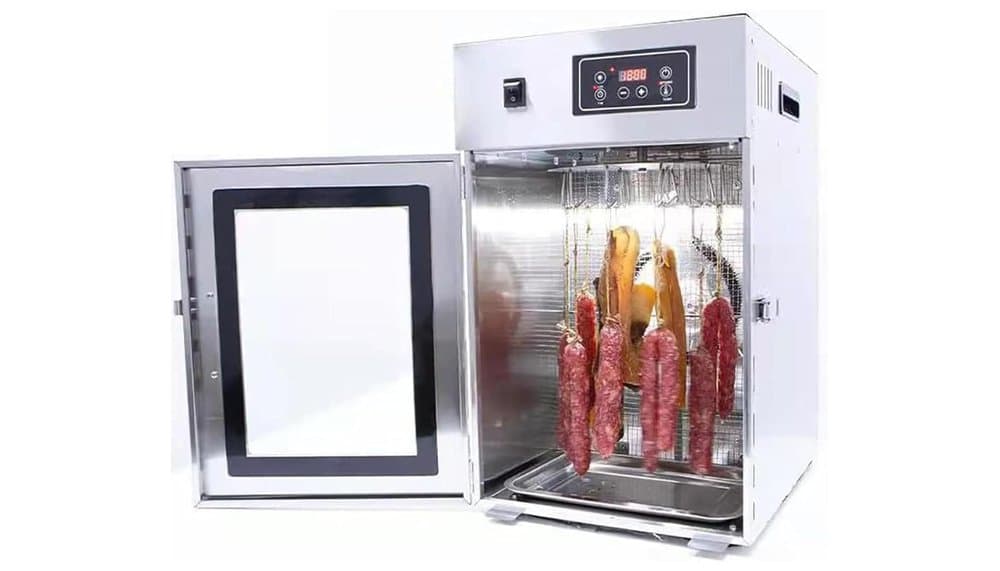
CGLYYDS Professional Meat Dryer & Dehydrator Test
Extend sous-vide creations with the CGLYYDS meat dryer & dehydrator. Master preservation and create new textures with precise, controlled results.

Amazon Basics Vacuum Sealer Rolls Review & Test
Meta description: Analysis of Amazon Basics vacuum sealer rolls for sous-vide cooking. Are they reliable for long cooks? Read our full review.
Guides you might like
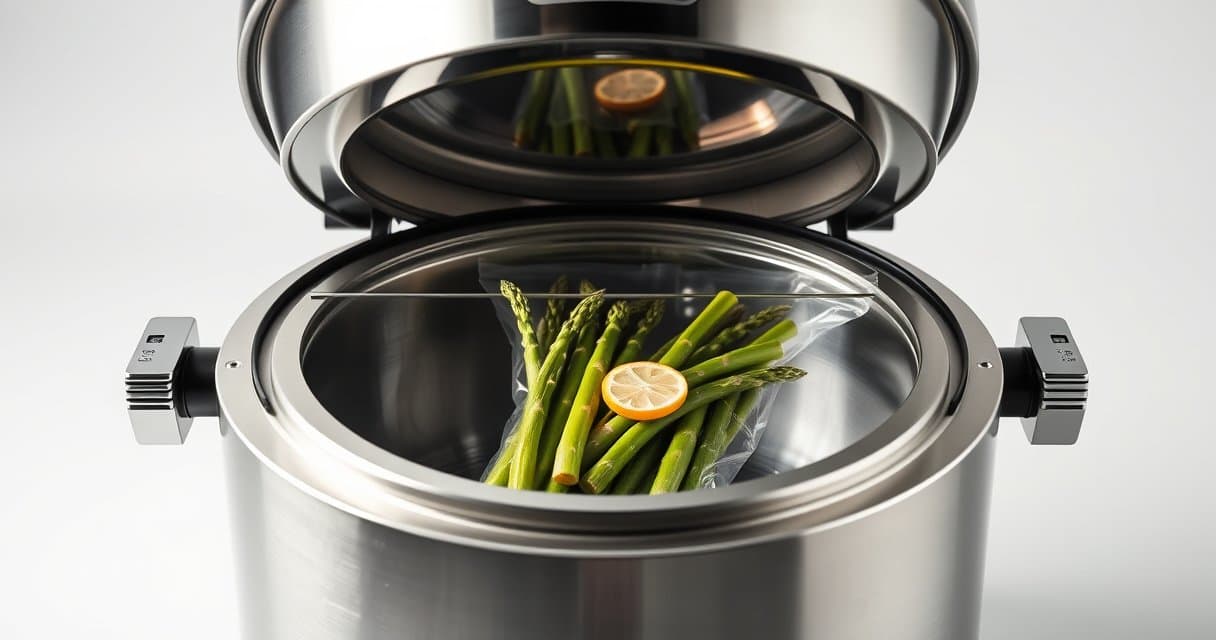
Bell Jar Vacuum Sealer Buying Guide
Upgrade to a chamber vacuum sealer for professional sous-vide results at home. Perfect for liquids and flawless, long-lasting seals.
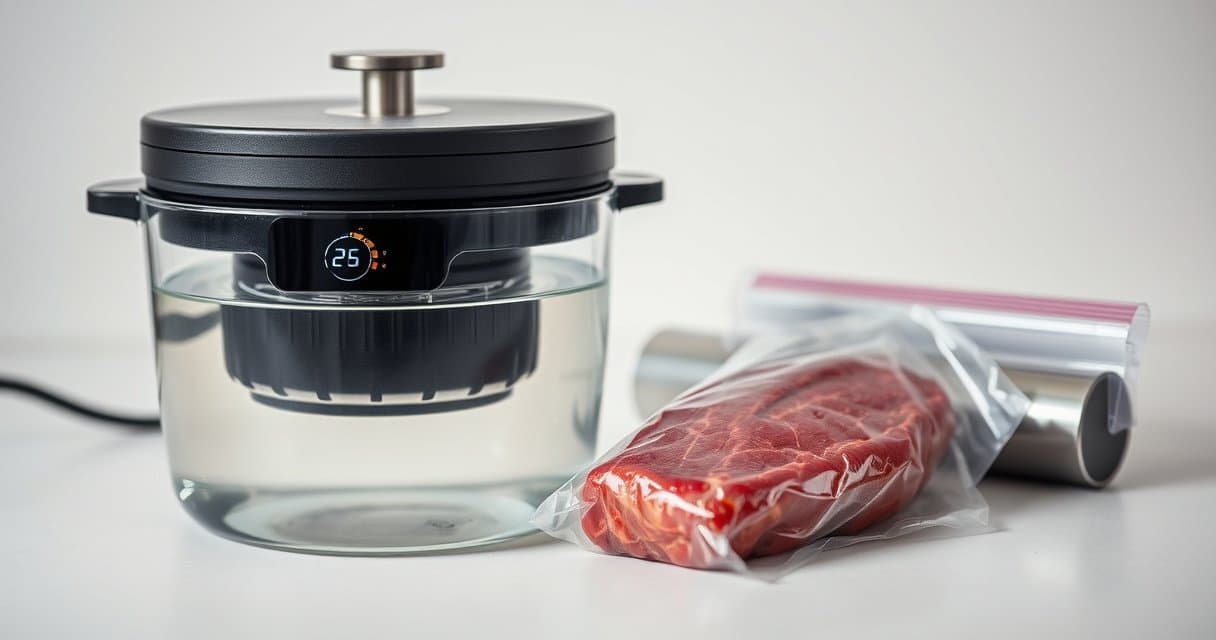
Best Beginner Sous Vide Kit
Find the perfect sous-vide starter kit on a budget. Learn the three essential features to look for to cook your first perfect steak without the headache.
Best Vacuum Bags
Choose the right vacuum sealer bags for perfect results. Learn key specs like heat resistance, thickness, and barriers to avoid culinary disasters.