Compactor Glass Vacuum Food Container with Pump Review
Introduction
For enthusiasts of precision cooking, the storage step is as crucial as the cooking itself. Sous-vide does not stop at removal from the water bath; it extends through rapid cooling and optimal vacuum storage to preserve textures and flavors. In this ecosystem, vacuum sealers and plastic bags are classics, but they are not always practical for daily storage or for non-liquid preparations. This is where rigid vacuum storage solutions come into play.
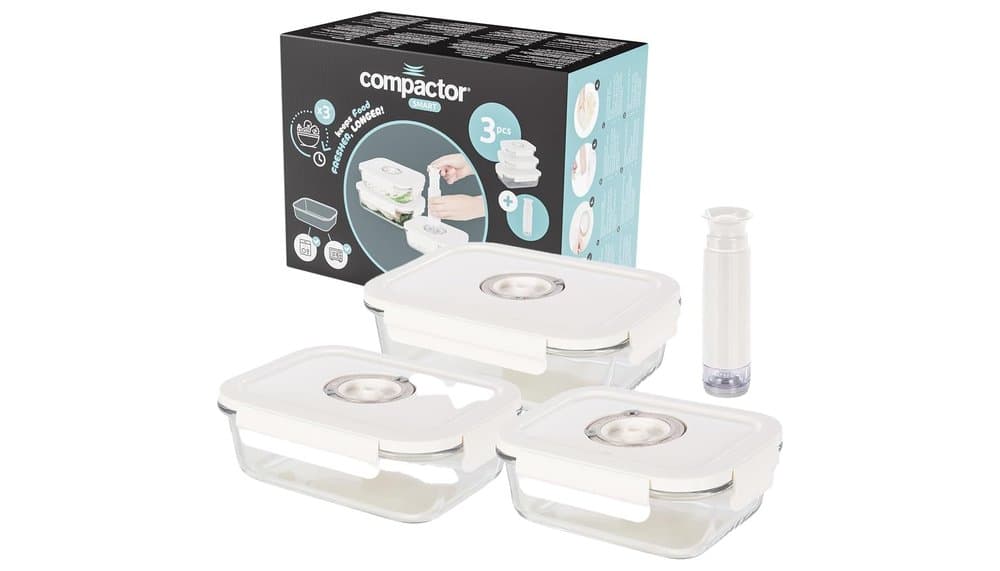
Today we will analyze a product that has caught the attention of the community: the Compactor Glass Vacuum Food Storage Containers with Pump. This is a set of three glass containers with airtight lids and a manual pump. Can it find a place in the kitchen of a precision cooking enthusiast? We will dissect it not as a simple Tupperware, but with the rigor specific to our field: real airtightness, thermal compatibility, and durability under intensive use.
Strengths & Weaknesses: Initial Summary
Strengths
- Premium and Healthy Material: Borosilicate glass is a major asset. Inert, it transfers no odor or taste, resists thermal shock, and allows perfect visibility of the contents. It is a trustworthy material.
- Exceptional Thermal Versatility: The advertised compatibility is impressive: microwave, oven (without the lid), freezer, and dishwasher. This temperature range makes it a tool suited for the entire culinary chain, from storage to reheating.
- Simplicity and Autonomy: The manual system (pump integrated into the lid) eliminates the need for an external machine. It is silent, takes up no counter space, and is always ready to use.
- Thoughtful Design: The integrated date indicator on the lid is a simple but essential feature for managing storage and food rotation, especially during prolonged sous-vide cooking.
Potential Weaknesses
- Manual Effort and Repeatability: The vacuum performance depends entirely on the user's strength and perseverance. For an optimal and repeatable result – a concept dear to precision cooking – this can be a variable factor, especially with large volumes.
- Airtightness Dependent on the Seal: The long-term effectiveness relies on the integrity of the silicone seal. Any defect, wear, or improper positioning compromises the airtightness. This is a single and critical point of failure.
- Capacity and Footprint: The larger models (1L and 1.3L) are suitable for individual portions or small dishes, but may prove insufficient for storing large cuts of meat or family-sized preparations in large quantities.
- Lid Maintenance: Although the glass is dishwasher safe, the lids (with their seal and valve) require meticulous manual cleaning to avoid damaging the airtight mechanisms.
Detailed Analysis: The Precision Cooking Perspective
Let's evaluate this product with the criteria we apply to an immersion circulator or a vacuum machine.
"Sous Vide" Performance: Pressure, Stability, and Duration
Here, there is no measurement of depression in kPa or residual pressure as with a professional vacuum machine. The suction power is human. Based on user feedback, the manual pump allows for a visually correct vacuum – the lid is firmly pulled down – sufficient to significantly slow oxidation. For storing prepared dishes, cheeses, herbs, or nuts, it is very effective.
However, for an application of sous-vide pre-cooking (preserving marinated vegetables, controlled aging), the absence of precise depression measurement is a drawback. One cannot guarantee the same level of air extraction as with a powerful external vacuum sealer, especially for foods with low liquid content. The stability of the vacuum over 24h+ depends entirely on the quality of the seal. No leaks should occur, which testers highlight as generally reliable, but with a higher margin of error than a plastic weld.
Build Quality and Design: The Devil is in the Details
The construction in borosilicate glass is the foundation of trust. This material withstands thermal shock (going directly from fridge to microwave), does not scratch, and is chemically inert. It is a professional choice.
The point of attention focuses on the valve system of the lid. Its simplicity is its strength, but also its vulnerability. A speck of food or grease obstructing the mechanism can impair airtightness. The community notes that meticulous and immediate cleaning of the lid and its seal is imperative for maximum longevity. The perceived sturdiness of the polypropylene lids is generally good, but their resistance to repeated drops is not documented.
Versatility and Workflow
This is where the product excels in complementing a precision cooking arsenal.
- Preparation & Marinating: Ideal for quickly marinating proteins under vacuum without taking out the machine.
- Cooling & Post-Cooking Storage: After a sous-vide bath, you can cool, drain, and store your food in the same airtight container.
- Fridge Organization: Perfect for storing sous-vide cooked vegetable leftovers, clear stocks, or sauces, by stacking the containers.
- Limit: It does not replace the vacuum machine for long cooks (48h+) of large cuts, where the guarantee of a perfect seal and a temperature-resistant bag is essential.
Technical Specifications
| Feature | Detail |
|---|---|
| Product Name | Compactor Glass Vacuum Food Storage Containers with Pump |
| Contents | 3 glass containers + 3 lids with valve + 1 manual pump |
| Capacities | 0.4 Liters, 1.0 Litre, 1.3 Litres |
| Body Material | Borosilicate glass |
| Lid Material | Polypropylene (BPA-free) |
| Seal | Silicone (integrated into the lid) |
| Power Source | Manual (hand pump) |
| Compatibility | Microwave, Oven (without lid), Freezer, Dishwasher (glass only) |
| Features | Integrated vacuum system, date indicator on the lid |
| Warranty | 2 years (EU spare parts) |
What Users and Testers Say
The synthesis of expert feedback and customer reviews reveals clear and consensual trends.
The praise converges on several points:
- Preservation Effectiveness: The majority of users observe a notable extension of food freshness, especially for salads, cut fruits, cheeses, and saucy dishes. The absence of oxidation and odor transfer is frequently praised.
- Glass Quality: The borosilicate glass is systematically mentioned as a guarantee of quality, ease of cleaning, and health. The ability to go from freezer to microwave without risk is a major practical advantage.
- Space Saving: The containers stack perfectly thanks to their uniform design, optimizing space in the refrigerator.
- Ease of Use: The system is judged to be intuitive and faster to implement than getting out and plugging in an external vacuum machine for small quantities.
Criticisms and warnings focus on specific aspects:
- Seal Durability: This is the number one point of vigilance. A few reports mention a loss of airtightness after several months of intensive use, related to wear or deformation of the silicone seal. Its replacement is not always straightforward.
- Limited Vacuum Strength: For very airy foods (e.g., lettuce) or dry preparations, the manual pump may not extract enough air to achieve a perfect "sous-vide" effect, compared to an electric pump.
- Handling Precision: Several reviews emphasize that you must position the lid correctly and ensure the seal is clean and properly placed before pumping. An error at this stage makes the system ineffective.
Conclusion
The Compactor Glass Vacuum Food Storage Containers with Pump is not a professional vacuum machine, and it does not claim to be. Instead, it positions itself as an extremely relevant complementary accessory in the precision cooking ecosystem.
For the experienced enthusiast, it offers a fast, healthy, and versatile storage solution for intermediates between two cooks, for storing stocks, garnishes, or semi-liquid preparations. Its compatibility with thermal shocks makes it a fluid workflow tool. It will not replace your roll of bags and your sealer for large cuts or very long cooks, but it will very likely become your daily partner for streamlining the fridge and pantry.
For the beginner who wants to discover the benefits of vacuum storage without immediately investing in a dedicated machine, this set represents an excellent entry point. It is educational, safe, and immediately useful for reducing food waste.
Its long-term success depends on scrupulous maintenance of the airtight seal, the only mechanical point of the system. Taking this maintenance responsibility into account, we have here a well-designed product, using quality materials, which perfectly fulfills its promise: extending food freshness through vacuum, in a rigid, healthy, and ultra-versatile format.
100% free and independent — All our articles are written independently, without any sponsorship. We may earn a commission on purchases made through our links, at no extra cost to you.
Articles you might like
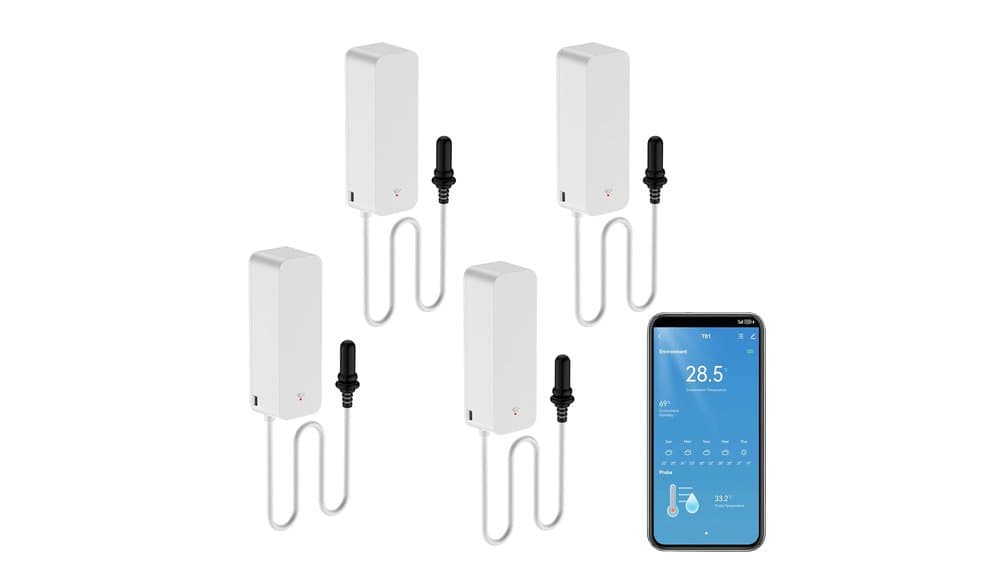
PHOVOLT WiFi Thermometer with Probe Test
For precise sous-vide & charcuterie, a calibrated core temperature probe is essential to ensure perfect results where it matters most.
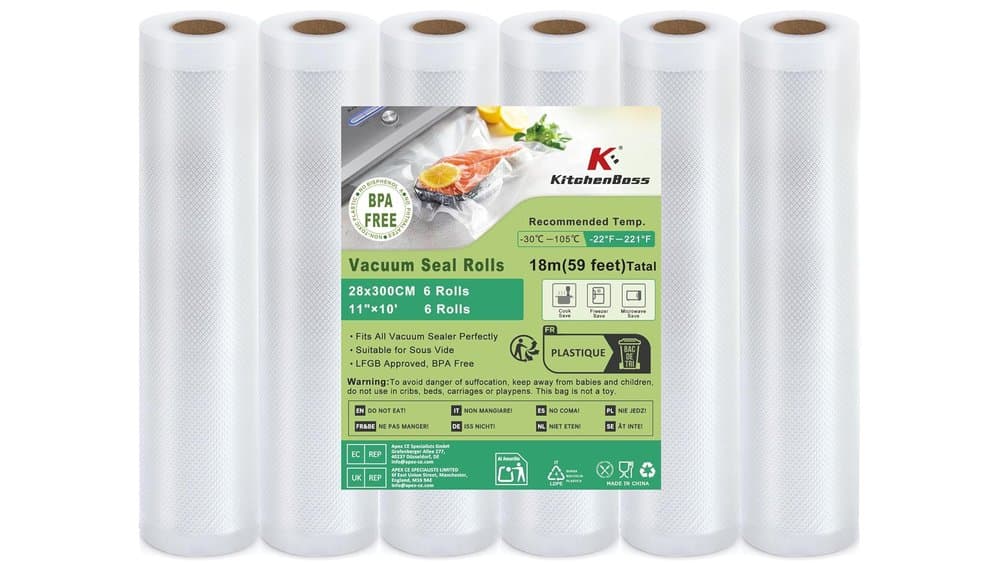
KitchenBoss Food Vacuum Bag Roll Review & Test
KitchenBoss vacuum sealing bags for sous-vide: analyze specs, compare performance, and determine value for precision cooking storage and preparation.
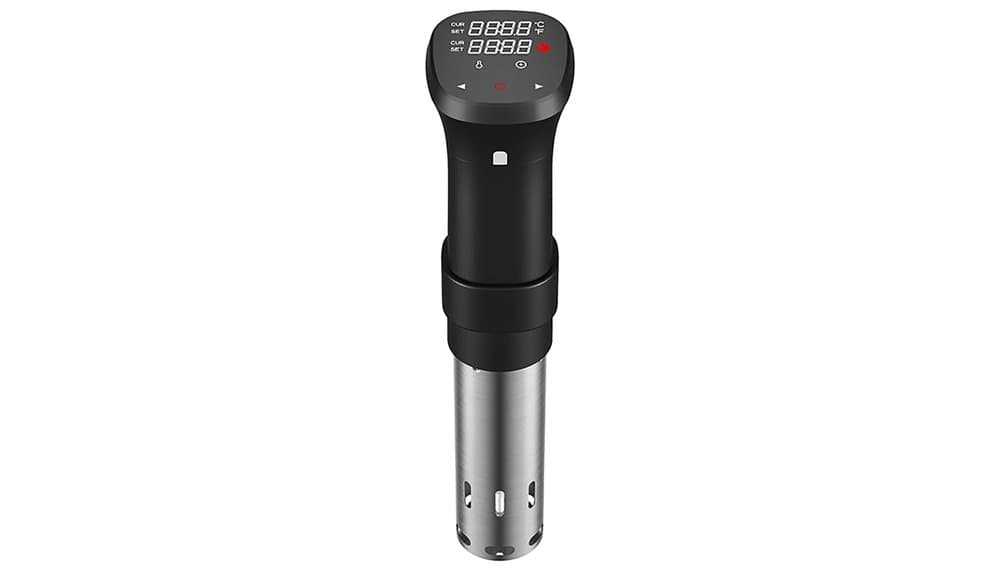
Fityou HU-XI-53 Immersion Circulator Sous Vide Cooker Review
Fityou HU-XI-53 Immersion Circulator review: A high-performing, accessible sous vide cooker with 1100W power, precise 0.1°C accuracy, and a 25-95°C range.
Guides you might like
Bell Jar Vacuum Sealer Buying Guide
Upgrade to a chamber vacuum sealer for professional sous-vide results at home. Perfect for liquids and flawless, long-lasting seals.
Best Beginner Sous Vide Kit
Find the perfect sous-vide starter kit on a budget. Learn the three essential features to look for to cook your first perfect steak without the headache.
Best Vacuum Bags
Choose the right vacuum sealer bags for perfect results. Learn key specs like heat resistance, thickness, and barriers to avoid culinary disasters.