Steba Insulation Balls for Sous-Vide Cookers
Introduction: The Forgotten Energy-Guzzling Accessory of Sous-Vide Cooking
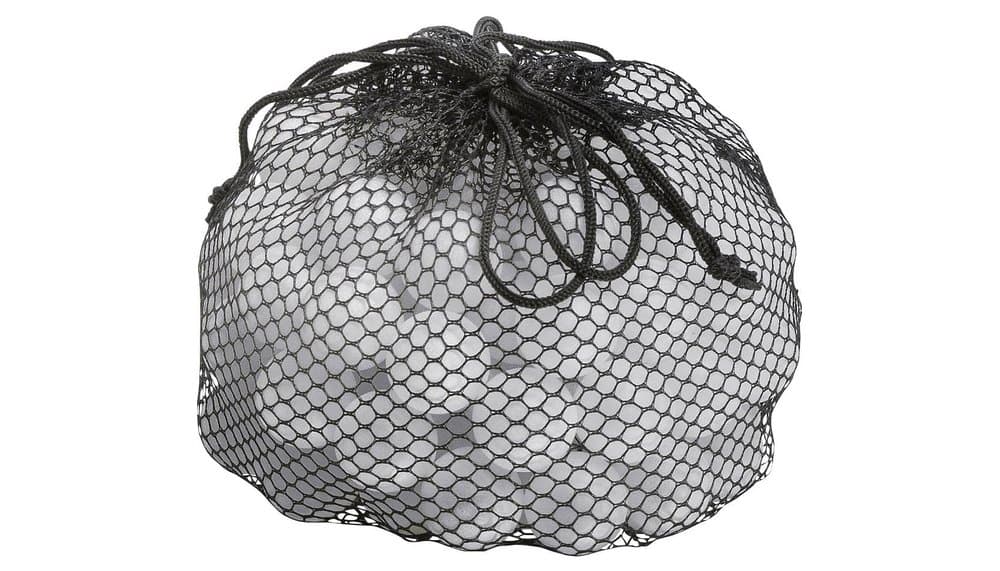
In the world of precision cooking, the focus naturally falls on circulators, vacuum sealers, and torches. Yet, a fundamental element is often overlooked: the management of thermal energy. This is where the Steba Isolationskugeln 99-51-00 accessory comes in, insulation balls designed specifically for sous-vide cooking. This product does not heat or agitate the water, but it claims to radically optimize the efficiency of the entire system by reducing heat loss, condensation, and evaporation. For the sous-vide user, whether beginner or expert, this translates to increased thermal stability, reduced electrical consumption, and ease of use. We will dissect this accessory by analyzing its promises, its real performance based on community feedback, and its concrete impact on a precision cooking routine.
Strong Points
- Significant Energy Savings: The most cited and tangible benefit. By forming a floating insulating layer on the water's surface, these balls drastically limit heat loss. Users report a noticeable drop in the frequency of their circulator's operation, especially on long, high-temperature cooks.
- Improved Thermal Stability: By reducing heat exchange with the ambient air, the Isolationskugeln help maintain a more constant water bath temperature. This minimizes the micro-fluctuations that even the best circulators must compensate for, offering additional passive precision.
- Reduced Evaporation: A major advantage for 24-hour plus cooks. Less evaporation means less need to monitor and readjust the water level, allowing for truly unattended cooks, even in dry environments.
- Suitable Material and Simple Design: Made from heat-resistant food-grade polycarbonate, they are BPA-free and designed to withstand temperatures up to 100°C (212°F). Their hollow and lightweight shape makes them easy to handle, store, and clean.
Weak Points
- Storage Footprint: This is the most recurring criticism. The full kit (usually 60 to 100 balls) requires significant volume in a cupboard, a logistical detail to anticipate.
- Purchase Price vs. Return on Investment: The initial investment for a bag of balls may seem high for a "passive" accessory. Its payoff comes over time and through energy savings, an argument that convinces intensive users more than occasional ones.
- Variable Efficiency Depending on Container: Their optimal performance is achieved in containers where the water surface is largely covered. On very wide or irregularly shaped containers, complete coverage may require a second bag and their efficiency is slightly reduced.
- Careful Handling Required: Although lightweight, they must be handled with a minimum of care. Feedback indicates that throwing them roughly or crushing them with a heavy object can, in rare cases, damage them.
Detailed Analysis
Precision Cooking Performance: Stability and Economy
Where a circulator ensures active precision, the Steba balls provide passive stability. According to community feedback, the impact is particularly striking on two fronts. Firstly, on long cooks (>24h), the advantage is twofold. Not only does the circulator work less to maintain the temperature (potentially extending its lifespan), but the water level drops at a considerably slower rate. For a cut like beef brisket cooked for 48h at 60°C, this practically eliminates the risk of the water level falling below the circulator's minimum line, a crucial point of reliability. Secondly, for high-temperature cooks (above 85°C for vegetables or certain poultry), the reduction in condensation on the edges of the container and heat loss is immediately visible. The circulator, which would normally run almost continuously under these conditions, alternates more spaced-out heating cycles. Technical testers emphasize that this does not change the device's intrinsic precision (its accuracy), but improves its overall energy efficiency and reduces thermal dispersion in the room.
Construction and Compatibility
The Isolationskugeln are of robust simplicity. The polycarbonate used is the same as that of many robust food containers. It handles the full range of sous-vide cooking temperatures without issue, from low-temperature fish to duck confit at 85°C. Their lightness (about 9g per ball) is an asset: they float without sinking, creating a uniform layer. Compatibility is universal. Whether you use a Dutch oven, a dedicated polycarbonate container, a stockpot, or a plastic bin, the balls adapt. The only factor to consider is the surface area to cover. For a standard round Dutch oven, one bag is usually enough. For a 30L rectangular container, optimal coverage may require more balls.
Daily Use: Practical Advantages and Constraints
The reported user experience is overall very positive once the product is integrated into the workflow. The balls are poured into the container after starting the circulator (to prevent them from interfering with the water level detection on some models). They quickly form a mobile cover that does not prevent access to the bag to check or remove it. Cleaning is simple: a rinse with clear water is usually sufficient. Some users put them in the dishwasher on the top rack, although official recommendations favor hand washing to preserve their long-term integrity. The major point of attention, besides storage, is handling. It is advisable to store them in their original bag and take them out without being rough. Despite some comments about potential fragility, the vast majority of feedback indicates excellent durability over several years of regular use.
Technical Specifications
| Characteristic | Detail |
|---|---|
| Product Name | Steba Isolationskugeln 99-51-00 Insulation Balls for Vacuum Cooking |
| Brand | Steba |
| Material | Polycarbonate (BPA-free) |
| Color | White |
| Maximum Service Temperature | 100°C / 212°F |
| Average Dimensions | Ø ~11 cm |
| Average Weight per Ball | ~9 grams |
| Accessory Type | Water bath insulation |
| Compatible With | All sous-vide circulators, all types of containers |
| Main Function | Evaporation reduction, thermal insulation, energy saving |
What Users and Testers Say
An analysis of community feedback and expert tests reveals a strong consensus on several points.
The recurring praise focuses on:
- Tangible electricity savings: Many users mention having noticed a decrease on their meter, especially for frequent long cooks. This is the number one argument.
- The end of "water top-up" overnight: For cooks over 12 hours, the near-elimination of evaporation is hailed as a radical change in terms of peace of mind.
- Reduction of condensation: On high-temperature cooks, the steam that escapes and condenses in the kitchen is greatly reduced, an appreciated practical detail.
- General sturdiness: Most find the product well-designed and durable over time.
Criticisms and reservations concern:
- The bulkiness: This is the most frequently raised negative point. Finding storage space for this bulky bag of balls is a small logistical challenge.
- The initial cost: Some beginners hesitate at the price, only realizing the benefit after purchase and prolonged use.
- Some cases of fragility: A minority of users report that some balls may crack if crushed or dropped violently on a hard floor. Handling therefore requires a minimum of care.
Technical testers from specialized websites generally conclude that it is a "game-changer" accessory for the intensive user, and a non-negligible comfort for the regular enthusiast. Its impact is all the greater the longer, more frequent, or higher-temperature the cooking sessions are.
Conclusion: A Wise Investment for a Refined Practice
The Steba Isolationskugeln 99-51-00 are not a gadget. They represent the logical culmination of an approach to sous-vide cooking that seeks to master all parameters, including the simplest ones. Their analysis reveals a product simple in principle but remarkably effective in its execution.
For the beginner looking to move to a higher level of reliability and efficiency, especially if considering long cooks, they will solve the evaporation problem and help stabilize their setup, regardless of the circulator used. For the expert or professional who regularly pushes the machine and timer, they become an almost indispensable accessory, enabling energy savings that, over time, can amortize their cost and reduce wear on the main equipment.
Their main flaw – the bulkiness – is the direct corollary of their efficiency: you need material to insulate. Ultimately, if your sous-vide practice is occasional and centered on 2-hour steaks, the added value may seem marginal. But as soon as you embark on braises, confits, high-temperature vegetable cooks, or simply seek to optimize your setup for more peace of mind and energy performance, the Steba insulation balls establish themselves as an intelligent and lasting addition to your precision cooking arsenal.
100% free and independent — All our articles are written independently, without any sponsorship. We may earn a commission on purchases made through our links, at no extra cost to you.
Articles you might like
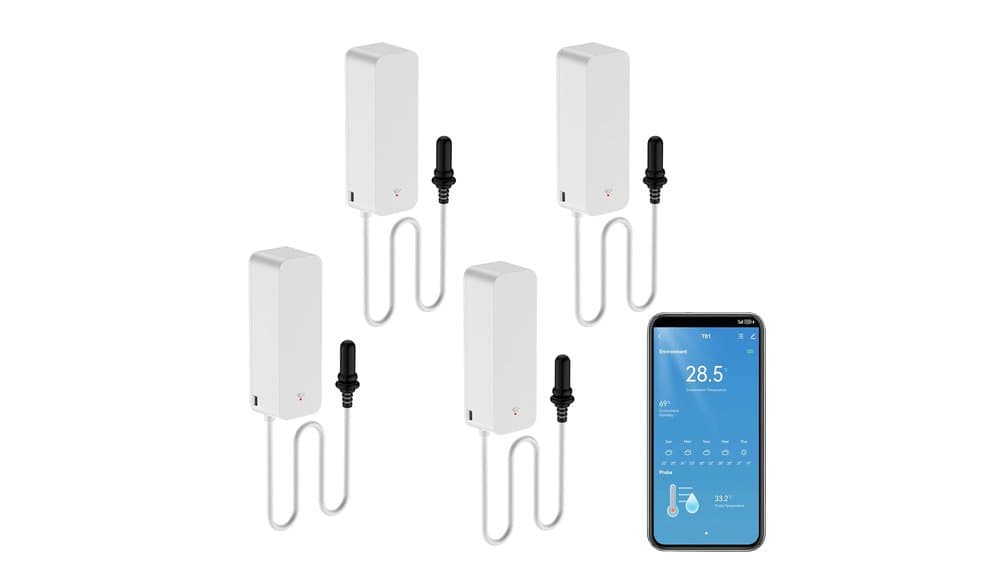
PHOVOLT WiFi Thermometer with Probe Test
For precise sous-vide & charcuterie, a calibrated core temperature probe is essential to ensure perfect results where it matters most.
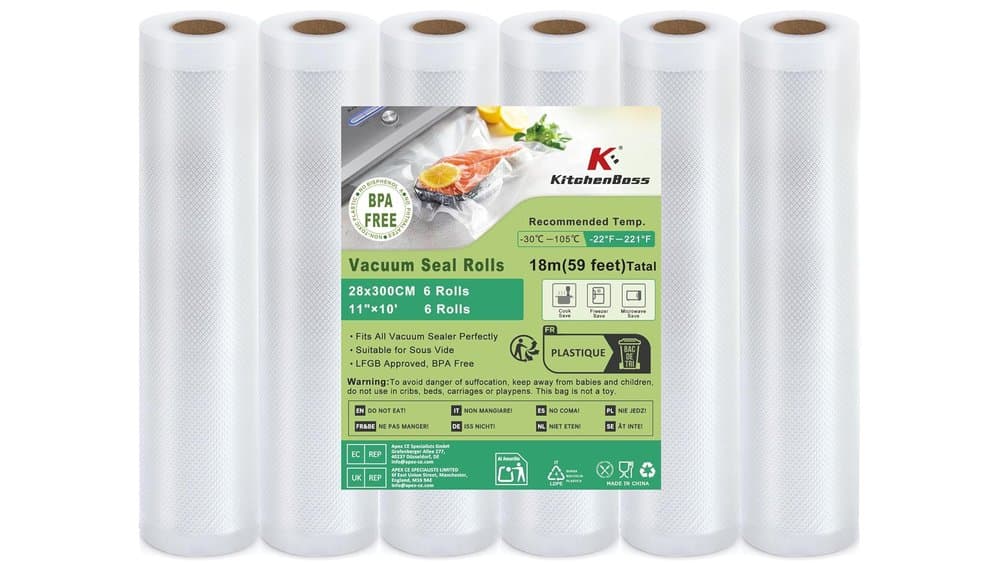
KitchenBoss Food Vacuum Bag Roll Review & Test
KitchenBoss vacuum sealing bags for sous-vide: analyze specs, compare performance, and determine value for precision cooking storage and preparation.
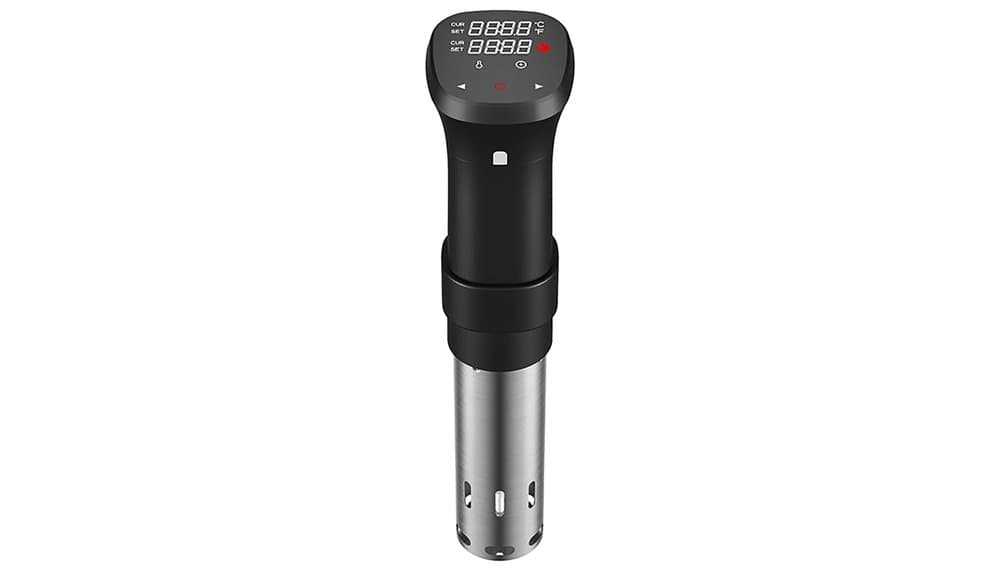
Fityou HU-XI-53 Immersion Circulator Sous Vide Cooker Review
Fityou HU-XI-53 Immersion Circulator review: A high-performing, accessible sous vide cooker with 1100W power, precise 0.1°C accuracy, and a 25-95°C range.
Guides you might like
Bell Jar Vacuum Sealer Buying Guide
Upgrade to a chamber vacuum sealer for professional sous-vide results at home. Perfect for liquids and flawless, long-lasting seals.
Best Beginner Sous Vide Kit
Find the perfect sous-vide starter kit on a budget. Learn the three essential features to look for to cook your first perfect steak without the headache.
Best Vacuum Bags
Choose the right vacuum sealer bags for perfect results. Learn key specs like heat resistance, thickness, and barriers to avoid culinary disasters.