Topbooc 26 cm Enameled Cast Iron Dutch Oven Review

Introduction
In the world of precision cooking, the focus is often on digital technology: immersion circulators, probe thermometers, vacuum sealers. Yet, there are physical tools, inherited from ancestral know-how, that play a leading role in the finishing phase and in controlled slow-cooking methods. The Topbooc 26 cm Enamelled Cast Iron Dutch Oven is the archetype. It is not an electronic device, but its performance is intrinsically linked to the precise management of heat and humidity.
Here, we analyze this enameled cast iron Dutch oven not as a simple utensil, but as a passive thermal control instrument. How does it behave as a closed cooking chamber? What temperature stability does it offer for long braising or bread baking? Does its construction directly influence the result? It is from this angle of precision and control that we evaluate it.
Key Strengths
- Exceptional heat retention and diffusion: The mass of cast iron (approximately 5 kg) guarantees remarkable thermal inertia, eliminating hot spots and ensuring uniform cooking across the entire surface.
- Energy efficiency and stability for long cooking: Once brought to temperature, it maintains it with very little energy input, ideal for braises lasting several hours or slow oven cooking.
- Autonomous humidity management: The heavy, well-fitted lid, with its condensation and drip return system, creates a constant, humid cooking environment without intervention, perfect for tenderizing meats.
- Versatility with heat sources: Full compatibility with all stovetops (induction, gas, ceramic glass, electric) and oven-safe up to 260°C, allowing for finishing and cooking transitions without transferring the food.
- Easy-to-maintain enameled surface: The smooth, non-porous interior enamel prevents chemical reactions with food (unlike raw cast iron) and significantly simplifies cleaning.
Weaknesses
- Weight and handling: Weighing over 5 kg empty, it is physically demanding to handle, especially for emptying or cleaning, which may make it impractical for some users.
- Limited thermal responsiveness: The inertia that is an asset for stability becomes a drawback for rapid temperature adjustments. Reducing heat in case of boiling over requires anticipation.
- Necessary usage precautions: The enamel, while resistant, is sensitive to thermal shocks (moving from very cold to very hot) and can be scratched by metal utensils. Its care excludes the dishwasher.
- Unassisted temperature control: Unlike a steam oven or a sous-vide water bath, the internal temperature is neither electronically set nor monitored. It depends entirely on the user's control of the heat source.
Detailed Analysis
Construction and Build Quality
The Topbooc 26 cm displays construction that inspires confidence. Based on user feedback, its weight of 5.5 kg is perceived as a sign of robustness and material density. This mass is the foundation of its thermal performance. The handles of the pot and lid are cast as a single piece, a feature often associated with better long-term durability compared to screwed-on fixtures. However, one user reported that the screw on the lid handle tended to loosen with heat, a point of vigilance that seems isolated but worth checking upon receipt. The enamel, described as smooth and glossy in reviews, is an effective barrier against rust and does not require seasoning, unlike raw cast iron.
Thermal Performance: Stability and Uniformity
This is the core of the analysis. In terms of thermal precision, this Dutch oven operates on a different principle than an electronic device. Its "precision" lies in its ability to homogenize and stabilize the heat provided to it.
- Heating uniformity: Cast iron is famous for its exceptional lateral heat diffusion. Testers emphasize that dishes simmer very evenly, without burnt spots on the bottom or less cooked areas on the sides. This is a decisive advantage for sauces and stews.
- Heat retention (Inertia): Its great capacity to store heat allows it to maintain a very stable temperature on very low heat, or even off (in a hot oven). It is this property that makes it a tool of choice for long cooks of 6h, 8h or more, where temperature fluctuations are minimized. For bread, this inertia creates radiant, moist heat that replicates the environment of a professional bread oven.
- Humidity management: The heavy, well-fitting lid is an active component. The condensation that forms and falls back as fine droplets creates a continuous self-basting cycle. According to the community, this allows for extremely tender and juicy braised meats without having to constantly add liquid.
Versatility in a Precision Cooking Workflow
For the sous-vide enthusiast, this Dutch oven is an excellent tool for finishing and complementing.
- Post-sous-vide finishing: After a long, precise sous-vide cook (e.g., beef cheek for 48h at 78°C), it excels at searing and sauce reduction. Its ability to reach and hold high temperature is perfect for creating a flavorful crust on meat, then for deglazing and reducing the cooking juices into a creamy, concentrated sauce.
- Traditional braising as an alternative: For those who do not use sous-vide for certain dishes, it becomes the primary tool for slow, controlled braising. The key is to master the heat source (the lowest possible flame or low-temperature oven) to best exploit its stabilizing inertia.
- Artisan bread baking: This is one of its most acclaimed uses. Preheated in the oven to 250°C, it creates intense, humid heat that allows for a good oven spring and the formation of a thick, crispy crust, rivaling the results of specialized bread ovens.
Ease of Use and Maintenance
The ease of cleaning the enameled surface is a major argument. Users confirm that food does not stick excessively and that cleaning by hand with a soft sponge is indeed simple. However, the weight is the main limiting factor. Handling nearly 6-7 kg of hot food requires caution and a certain physical strength. The necessity of hand washing, although common for this type of high-end product, can be seen as a constraint compared to dishwasher-safe stainless steel. The instructions recommend letting it cool naturally before cleaning to avoid thermal shocks that could crack the enamel.
Technical Specifications
| Characteristic | Detail |
|---|---|
| Model | Topbooc 26 cm Enamelled Cast Iron Dutch Oven |
| Diameter | 26 cm |
| Capacity | 5 liters |
| Weight | Approximately 5.5 kg |
| Material | Enameled cast iron (interior and exterior) |
| Color | Red (and others depending on availability) |
| Compatibility | Induction, Gas, Ceramic Glass, Electric Hob, Oven |
| Max oven temperature | 260°C (500°F) |
| Lid type | Enameled cast iron with cast iron knob |
| Maintenance | Hand washing recommended. Not suitable for dishwasher, microwave, or freezer. |
| Features | Includes silicone handle protectors. Smooth enamel interior surface. |
What Users Say
A synthesis of hundreds of available reviews reveals a strong consensus on several points, with a few notes of caution.
Recurrent praise (86% 5-star ratings):
- Perceived quality and sturdiness: Terms like "robust", "solid", "heavy", "very good quality" appear constantly. The weight is associated with a feeling of durability and performance.
- Cooking performance: Users are unanimous on the even distribution of heat and excellent heat retention. Simmered dishes are described as "flavorful", "well-cooked", with meat that is "morbidissima" (very tender). Home bread baking enthusiasts are particularly enthusiastic, achieving a "juicy and crispy crust".
- Value for money: Many comments favorably compare it to much more expensive premium brands (mentioning "LC" for Le Creuset), calling it "identical" or a "duplicate" for a much lower cost. This is a massive argument.
- Aesthetics and finish: The bright red color and glossy finish are highly appreciated, with many describing it as "beautiful", "superb", an object that decorates the kitchen.
- Cleaning ease: The enameled surface is judged very easy to clean, with no notable sticking when used correctly.
Noted reservations and criticisms:
- The weight: This is the main drawback cited. Some users find the Dutch oven "difficult to handle daily" due to its mass, especially when full.
- Isolated quality issues: One review mentions uneven heat distribution on induction, and another reports the loosening of a handle screw with heat. These issues are not in the majority but indicate possible quality control variability.
- Learning curve: A few users remind that one must "use it correctly - see on the web", emphasizing that enameled cast iron requires precautions (gradual preheating, avoiding thermal shocks, using appropriate utensils) to optimize its performance and lifespan.
Conclusion
The Topbooc 26 cm Enamelled Cast Iron Dutch Oven establishes itself as a serious and high-performing tool in the precision cooking ecosystem, despite the total absence of electronics. Its analysis from this angle is revealing: where a circulator controls water temperature with tenth-of-a-degree precision, this Dutch oven controls the cooking environment through its very physics – thermal inertia, heat retention, and passive humidity management.
For the amateur cook moving towards more controlled techniques, it represents an accessible gateway into the world of perfect slow cooks and braises. Its versatility (stovetop, oven, bread, stews) makes it a very cost-effective investment. For the seasoned sous-vide enthusiast, it is the ideal physical complement for finishing and reduction phases where control of intense heat and evaporation is crucial.
Its limitations – the weight, the slow responsiveness to temperature changes, the manual maintenance – are inherent to its material and operating principle. They are not flaws, but characteristics to be mastered. Community feedback overwhelmingly confirms that, once these parameters are accepted, the product delivers high-level culinary results, rivaling market references at a much more accessible price. It is a tool that requires practice, but which, once mastered, likely becomes indispensable in a kitchen focused on quality and control of the cooking process.
100% free and independent — All our articles are written independently, without any sponsorship. We may earn a commission on purchases made through our links, at no extra cost to you.
Articles you might like
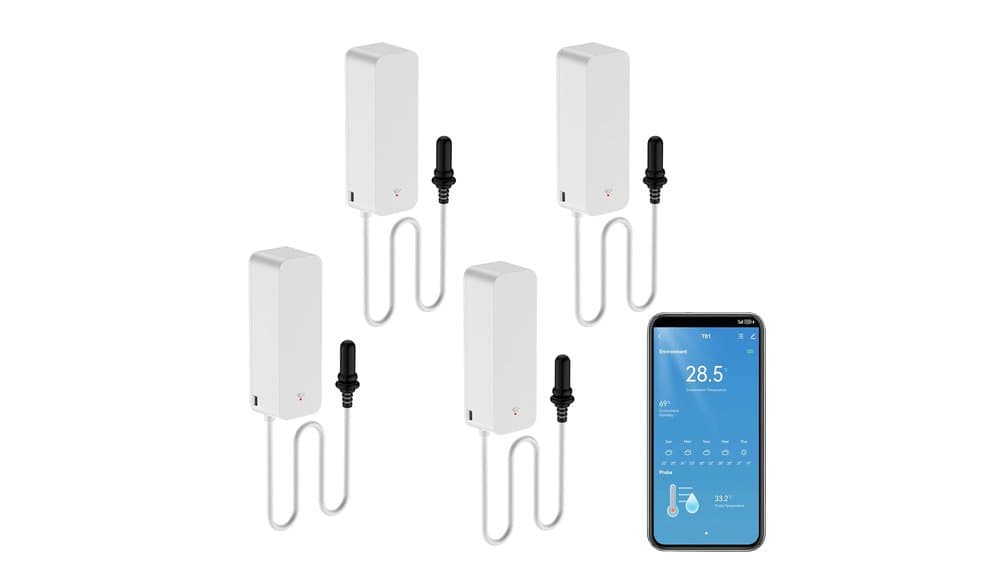
PHOVOLT WiFi Thermometer with Probe Test
For precise sous-vide & charcuterie, a calibrated core temperature probe is essential to ensure perfect results where it matters most.
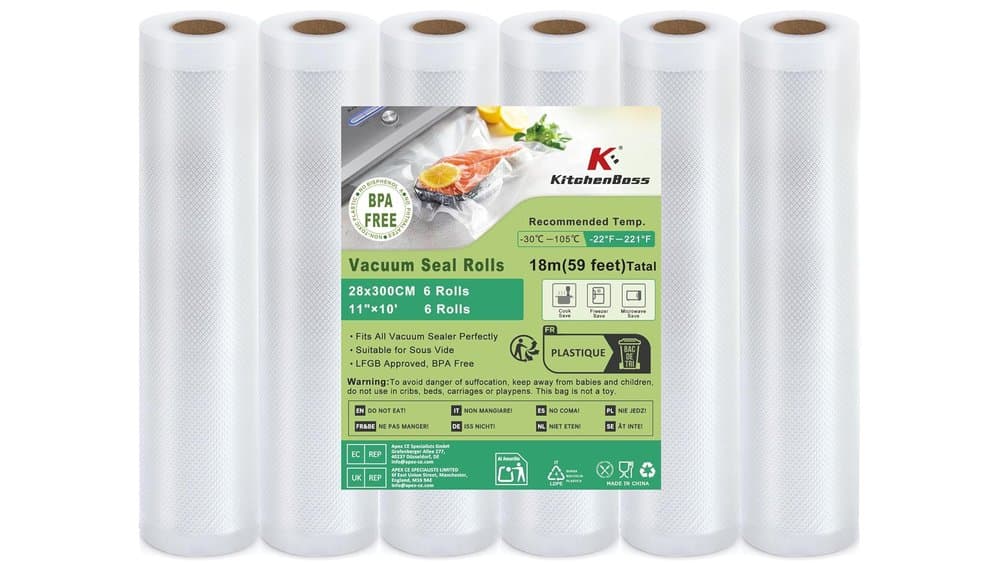
KitchenBoss Food Vacuum Bag Roll Review & Test
KitchenBoss vacuum sealing bags for sous-vide: analyze specs, compare performance, and determine value for precision cooking storage and preparation.
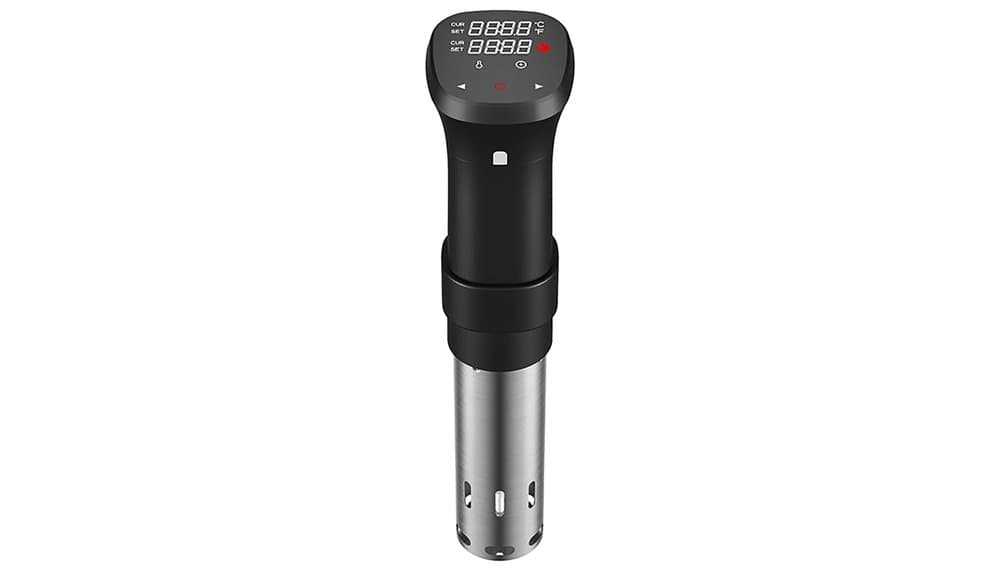
Fityou HU-XI-53 Immersion Circulator Sous Vide Cooker Review
Fityou HU-XI-53 Immersion Circulator review: A high-performing, accessible sous vide cooker with 1100W power, precise 0.1°C accuracy, and a 25-95°C range.
Guides you might like
Bell Jar Vacuum Sealer Buying Guide
Upgrade to a chamber vacuum sealer for professional sous-vide results at home. Perfect for liquids and flawless, long-lasting seals.
Best Beginner Sous Vide Kit
Find the perfect sous-vide starter kit on a budget. Learn the three essential features to look for to cook your first perfect steak without the headache.
Best Vacuum Bags
Choose the right vacuum sealer bags for perfect results. Learn key specs like heat resistance, thickness, and barriers to avoid culinary disasters.