Westmark Glass Fermentation Weights Review & Test
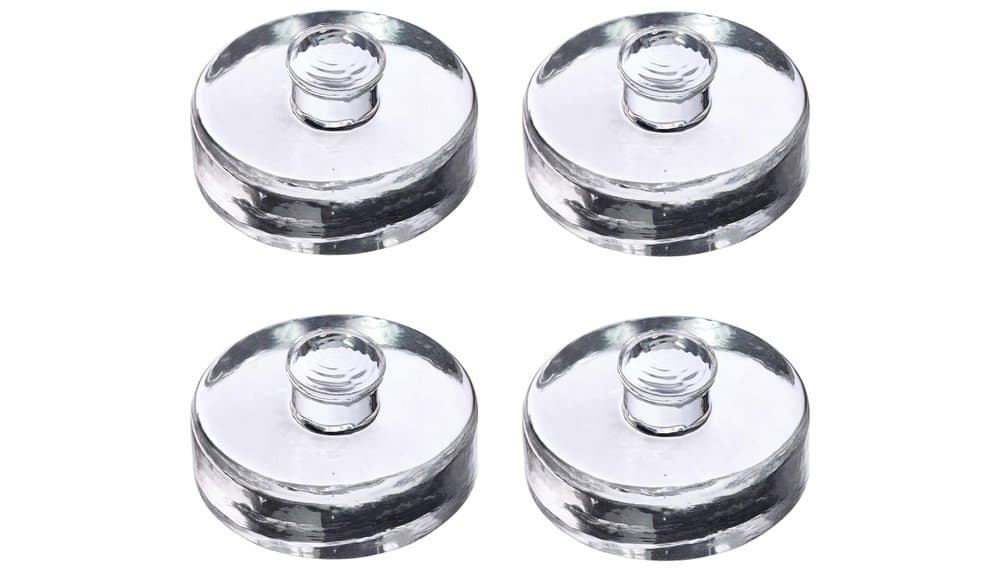
Introduction: Weights for Lacto-Fermentation, But Is It a Tool for Sous-Vide Cooking?
On a site dedicated to culinary precision, glass weights for fermentation might be surprising. Yet, the world of sous-vide and preservation is intrinsically linked to that of mastering environments and extending the life of food. While the Westmark Set of 4 Glass Fermentation Weights is not an immersion circulator or a vacuum sealer, it meets a need for precise control in another slow and transformative process: lacto-fermentation. Our analysis will therefore move away from the usual criteria of thermal stability or suction power to focus on a central question in our kitchens: how does this tool contribute to a reliable and controlled preservation process? We will examine this kit from the angle of precision, reliability, and build quality that matter to any enthusiast of controlled culinary techniques.
Strengths
The main asset of the Westmark kit lies in its functional simplicity and material quality. The solid glass, naturally BPA-free, directly meets the requirements of meticulous cooks who prioritize healthy and durable food contact, akin to quality sous-vide cooking bags. The presence of a built-in handle on each weight is a major ergonomic detail that greatly facilitates handling and placement, a feature often praised when comparing to weights without a grip. The offer of a set of 4 weights in two different sizes (even if the diameter is singular) provides a certain versatility to adapt to jars of various widths. Finally, the ease of cleaning of smooth glass, with no pores or crevices, is a decisive hygienic argument for repeated use in a process where cleanliness is paramount.
Weaknesses
The identified limitations mainly concern the design and suitability for the need. A single diameter of 7 cm can prove problematic: too small to effectively hold down vegetables in a large jar, it leaves spaces on the sides where food can float up. This lack of true universality is the main drawback noted by experienced users. Glass, while noble, is also fragile and susceptible to thermal shock; cleaning with water that is too hot after fermentation at room temperature can cause cracks. Some also note that the height of the weights, particularly the smaller ones, can be insufficient to exert effective downward pressure on a large quantity of finely grated vegetables, as for sauerkraut. Finally, the absence of an integrated degassing system (a function sometimes present on specialized lids) leaves this crucial aspect of the process to the user.
Detailed Analysis of the Westmark Set of 4 Glass Fermentation Weights
Precision and Reliability: The Role of a "Dead Weight"
In our field, precision is measured in degrees Celsius or inches of vacuum. Here, it is measured in constant and hygienic pressure. The role of these weights is to keep food submerged under the brine, creating an anaerobic environment that favors good lactic acid bacteria and inhibits molds and aerobic bacteria. The reliability of the Westmark Set therefore depends on its ability to exert this pressure uniformly and without fail. The solid glass offers substantial and inert weight, not reacting with the acids of fermentation. This is a crucial point: unlike some porous or potentially reactive materials, glass does not introduce unwanted variables into the microbial equation. It is the equivalent of a vacuum chamber in terms of inertia and food safety: a controlled and predictable environment.
Build Quality and Durability
The construction is simple: solid and transparent glass. Transparency is a non-negligible advantage, allowing one to monitor the process without opening the jar. The advertised sturdiness is relative; it is thick glass, resistant to the pressures of fermentation, but inherently vulnerable to mechanical and thermal shocks. For an audience accustomed to the stainless steels of circulators or the technical plastics of sealers, this potential fragility is a factor to consider for long-term durability. The design with a handle is well thought out, but the absence of rounded or smoothed edges on some pieces (according to feedback) can make handling less pleasant.
Ergonomics and Handling
Ergonomics are excellent here thanks to the handles. Placing and removing a smooth, heavy weight from a full jar is a challenge that this design effectively solves. Compared to using stones or freezer bags filled with water (a makeshift solution often used by beginners), the Westmark kit represents an obvious qualitative leap in terms of convenience and cleanliness. However, ease of use is hindered if the weights do not fit perfectly into the jar's diameter, making the tool less effective and requiring manual adjustments.
Versatility and Compatibility
This is the most discussed point. Advertised as "universal" with a diameter of 7 cm, this set meets its limits against the diversity of fermentation jars on the market. Standard-sized "Le Parfait" jars, Mason Jars of various sizes, dedicated fermentation crocks... all have varying internal diameters. A 7 cm weight will be too small for many, compromising its primary function. For a precision enthusiast, this claim of universality must therefore be heavily qualified. The set works better as one solution among others in a fermentation arsenal, rather than as the single, universal tool.
Technical Specifications
| Characteristic | Detail |
|---|---|
| Composition | Solid glass, BPA-free |
| Number of pieces | 4 weights |
| Advertised diameter | 7 cm (for all weights) |
| Varied sizes | Yes (2 different heights in the set) |
| Handle | Integrated on each weight |
| Maintenance | Dishwasher safe (precautions for thermal shock) |
| Primary use | Keeping food submerged under brine during lacto-fermentation |
| Food compatibility | Total, inert glass |
What Users and the Community Say
An analysis of customer feedback and online discussions reveals clear trends, with a sharp distinction between satisfied beginners and more critical experienced fermenters.
Recurrent positive points revolve around perceived quality and improvement over DIY solutions. Newcomers to fermentation appreciate the cleanliness and hygienic aspect of glass compared to using stones or other objects. The presence of the handle is almost systematically cited as a decisive advantage for comfort of use. Many note that these weights inspire confidence in the process and make fermentation more accessible and less haphazard.
Negative points and reservations are just as salient and concern mostly regular users. The problem of the 7 cm diameter is the most frequently raised: it is considered too small for many common jars, leaving gaps where vegetables float up. Some testers point out that the simple cylindrical shape, without a lip or flared profile, limits the pressure's effectiveness on the edges. Fragility is also mentioned, with reports of weights breaking during cleaning or when dropped in the sink. Finally, several note that for the price, one might expect a more complete set perhaps including valve lids or a better range of sizes.
The community of preservation enthusiasts, close to that of sous-vide, tends to view this kit as a good entry-level product, but not a professional solution. It is perceived as a valid tool for occasional projects or for small jars, but experts often prefer integrated systems (jars with integrated weights and valves) or ceramic weights tailored for specific containers for long-term, large-volume fermentations.
Conclusion: A Supporting Tool for the Enthusiast of Slow Techniques
The Westmark Set of 4 Glass Fermentation Weights is not a precision tool in the thermodynamic sense of the term, but it embodies a precision of intent in the field of controlled preservation. For the sous-vide cook exploring lacto-fermentation as another facet of food mastery, this kit represents a tangible and hygienic upgrade over makeshift solutions. Its inert glass construction meets the need for food safety, a priority shared with the choice of sous-vide bags.
However, its lack of true universality and its design limitations relegate it to the role of a supporting tool rather than a central piece of equipment for a dedicated fermenter. It is ideal for the beginner who wants to invest in a clean and simple tool to start, or for the sous-vide enthusiast wanting to extend their skill set to fermentation without complicating their life. For long-term, large-volume projects or those requiring absolute reliability over months of fermentation, community feedback suggests looking toward more specialized and properly sized systems.
In summary, this Westmark set is the entry-level immersion circulator of fermentation: reliable in its basic function, well finished, and perfect for learning and validating one's interest in the technique. But, just as one might want a circulator with Wi-Fi connectivity and a more powerful pump for extreme cooking, the seasoned fermenter will seek tools offering precision of adjustment and perfect adaptation to their equipment.
100% free and independent — All our articles are written independently, without any sponsorship. We may earn a commission on purchases made through our links, at no extra cost to you.
Articles you might like
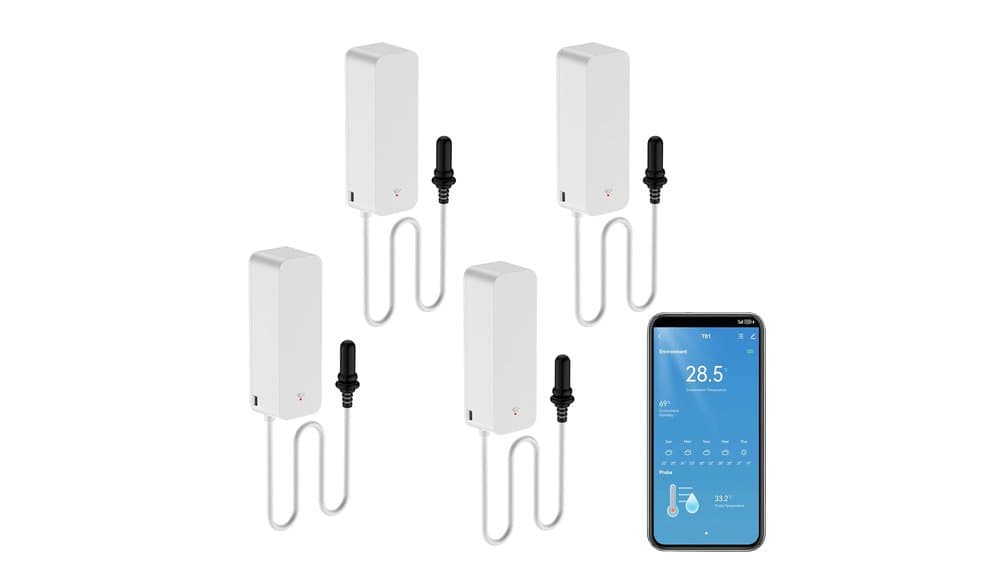
PHOVOLT WiFi Thermometer with Probe Test
For precise sous-vide & charcuterie, a calibrated core temperature probe is essential to ensure perfect results where it matters most.
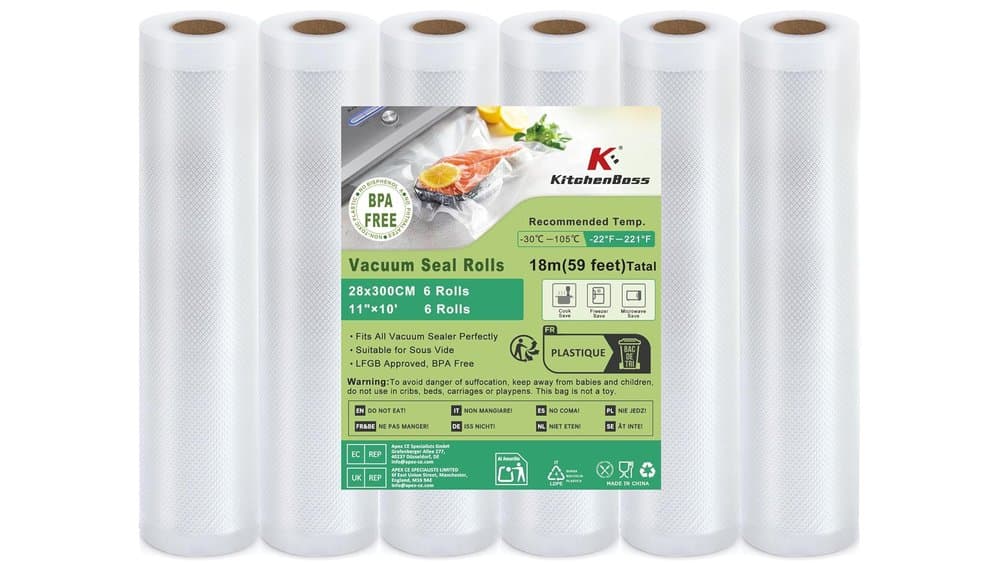
KitchenBoss Food Vacuum Bag Roll Review & Test
KitchenBoss vacuum sealing bags for sous-vide: analyze specs, compare performance, and determine value for precision cooking storage and preparation.
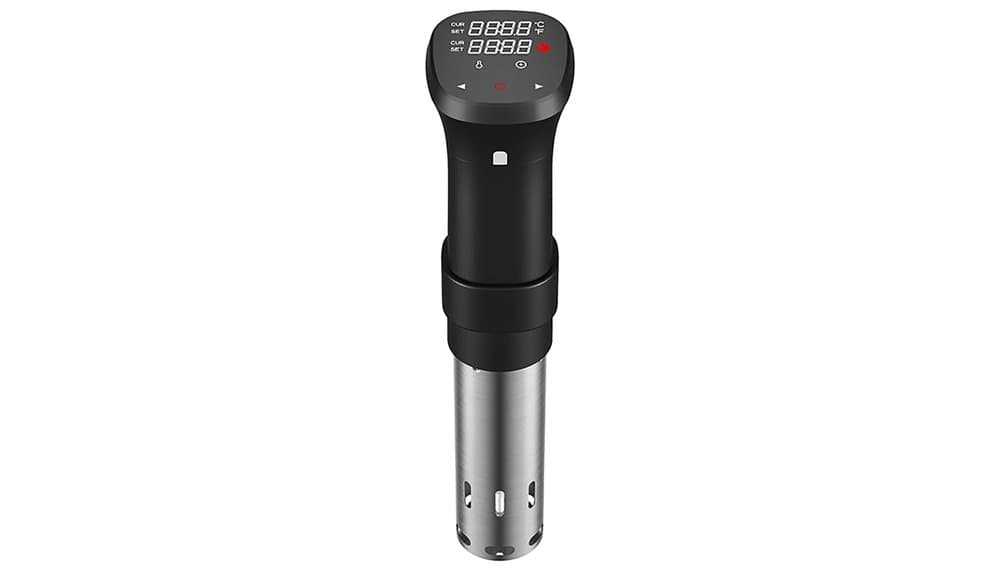
Fityou HU-XI-53 Immersion Circulator Sous Vide Cooker Review
Fityou HU-XI-53 Immersion Circulator review: A high-performing, accessible sous vide cooker with 1100W power, precise 0.1°C accuracy, and a 25-95°C range.
Guides you might like
Bell Jar Vacuum Sealer Buying Guide
Upgrade to a chamber vacuum sealer for professional sous-vide results at home. Perfect for liquids and flawless, long-lasting seals.
Best Beginner Sous Vide Kit
Find the perfect sous-vide starter kit on a budget. Learn the three essential features to look for to cook your first perfect steak without the headache.
Best Vacuum Bags
Choose the right vacuum sealer bags for perfect results. Learn key specs like heat resistance, thickness, and barriers to avoid culinary disasters.